SQLITE NOT INSTALLED
Phuket’s property market feels alive in a way it hasn’t for years — beaches humming with visitors, hotels filling rooms, and new developments rising where coconut groves once stood. Whether you’re hunting for a rental income machine, a holiday home, or a long-term retirement base, the island offers a wide menu of phuket real estate for sale. This article takes a practical, on-the-ground look at which property types buyers are actually choosing today and why they are suddenly so desirable.
Market snapshot: why buyers are back on the island
Tourism’s steady recovery after the pandemic is the single biggest driver pulling property interest back to Phuket. Hotels and short-term rentals have seen demand rebound, and that creates a predictable flow of potential tenants for buyers who want rental returns.
Beyond tourism, more people are choosing remote or hybrid work arrangements, and Thailand’s lifestyle appeal — warm weather, coastal scenery, and relatively affordable living — makes Phuket an attractive option. Add to that an improving supply of high-quality infrastructure and international flights resuming, and interest from overseas buyers increases.
Domestic buyers are also active. Affluent Thais continue to look for second homes on the island, particularly in family-friendly neighborhoods and gated developments. Local demand helps smooth occupancy cycles through the low season, which overseas-only markets often struggle with.
Who is buying now?
Buyers fall into several clear groups: income-focused investors, holiday-home seekers, retirees, and expatriates seeking a permanent or semi-permanent base. Each group brings different priorities and budget ranges, and understanding their motivations helps explain which properties are hot.
Investors prioritize location and rental yield; they want easy check-in, services that support short-term rentals, and proximity to beaches or tourist hubs. Holiday-home buyers prioritize convenience and an enjoyable stay — sea views, a short walk to restaurants, and private outdoor space.
Retirees and expats often look for comfort and community: safe neighborhoods, easy access to hospitals, supermarkets, and expat-oriented services. For this group, the appeal of a villa with a private pool or a condo in a quiet complex is strong, especially in areas with good year-round living conditions.
Condominiums: the perennial favorite for foreign buyers
Condominiums remain the most popular option among foreign purchasers because Thai law allows foreign freehold ownership of condominium units up to certain quotas. This legal clarity simplifies the buying process and makes condos an obvious entry point into the market.
Buyers increasingly favor well-managed, resort-style condos that offer amenities such as communal pools, gyms, and reliable property management. These features reduce day-to-day headaches for absentee owners and support short-term rental operations when allowed by local rules.
Location matters more than square footage in the condo market. Units close to beach areas like Patong, Kata, and Bang Tao tend to attract strong short-term rental demand. Meanwhile, condos in Phuket Town appeal to buyers looking for cultural life, cafés, and more affordable price points.
Smaller one- and two-bedroom units sell well for holiday rental income, while three-bedroom units and penthouses appeal to families and buyers seeking a more luxurious retreat. Developers are also offering flexible layouts, work-from-home spaces, and integrated smart-home technology to meet current buyer needs.
Condo features today’s buyers demand
Buyers pick condos with practical amenities: reliable building management, good internet connectivity, and on-site facilities that cut down on maintenance headaches. Security and gated access remain non-negotiable for many international purchasers.
Amenities that directly support rental income — reception desks, booking assistance, and in-house maintenance — are particularly attractive to investor-buyers. Properties that can be professionally managed remotely reduce friction and make ownership simpler.
Energy efficiency and good water pressure may sound mundane, but they matter a lot in buyer decision-making. Small quality-of-life details often tip the balance between two similar units in the same neighborhood.
Private pool villas: rising demand from families and long-stay visitors
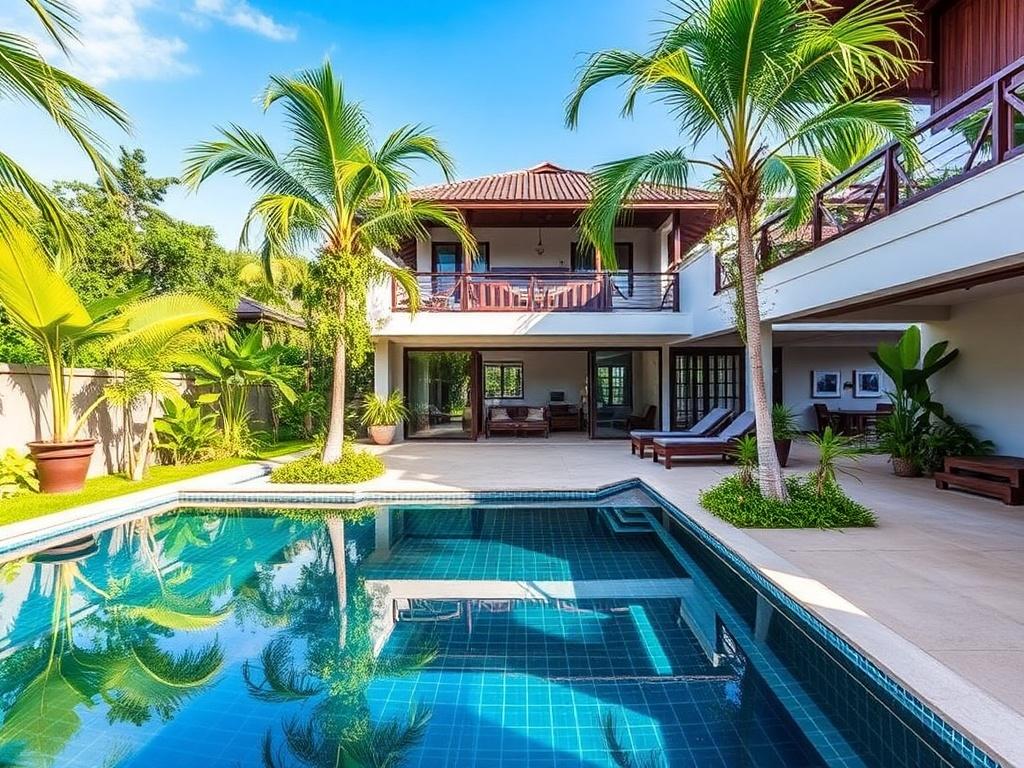
Private pool villas are a headline item in Phuket’s market, and their popularity has surged among families, groups of friends, and high-net-worth buyers seeking privacy. The appeal is obvious: a villa offers space, private outdoor areas, and the sort of lifestyle that hotels can’t replicate.
Buyers who plan to use villas themselves want well-designed indoor-outdoor flow, easy access to beaches, and reliable staffing or management options. Those buying mainly for rental income target villas near popular beaches where family bookings are frequent and nightly rates are strong.
Smaller villas and villa clusters have become particularly popular for investors. They can be marketed to mid-sized groups and families and often yield solid occupancy in peak season. Larger luxury estates attract buyers looking for prestige and privacy, but they carry higher running costs and more complex management needs.
Practical considerations for villa buyers
Owning a villa on Phuket requires thinking about ongoing costs: property management, pool and garden maintenance, utilities, and staffing. Buyers should budget for these expenses upfront and assess whether rental income will realistically cover operational costs.
Villas outside central tourist hubs may offer better value per square meter, but they require careful marketing to attract guests. Proximity to an airport, popular beaches, or major roads will strongly influence the pool of potential renters and resale attractiveness.
Townhouses and family homes: a steady, practical choice
Townhouses and suburban family homes appeal to buyers who want a balance between affordability and space. These properties are favored by local families and expat residents who plan to live on the island long-term or who want a permanent base with room for children and pets.
Developments near schools, medical centers, and supermarkets attract buyers prioritizing convenience. Townhouses in gated communities with shared amenities — small pools, playgrounds, and security — offer a suburban lifestyle that many families prefer.
For investors, townhouses can be a compromise between villas and apartments: lower maintenance than a detached villa but more space than a condo, and often attractive to long-term renters seeking a stable home rather than short-term holiday lets.
Land plots: opportunities and caveats
Buying land remains a route for those wanting to build a bespoke property or invest in long-term capital appreciation. Well-located land, especially with sea views or within established communities, captures strong interest from buyers looking to create a custom villa or small development.
However, land ownership for foreigners is complicated by Thai laws. Direct freehold ownership of land by non-Thai nationals is generally not permitted, so buyers must carefully consider options such as leasehold, establishing a Thai company, or other legal structures. Legal advice is essential.
Infrastructure and planning permissions are practical realities that can change the feasibility of building. Buyers should commission topographical surveys, check zoning rules, and confirm access to utilities before committing to a plot.
Luxury beachfront estates: exclusivity with high maintenance
There is a steady market for ultra-luxury beachfront estates among high-net-worth buyers who prioritize privacy, panoramic views, and concierge-level service. These properties tend to cluster in sought-after areas like Surin, Bang Tao, and parts of the west coast.
Luxury buyers value proven privacy, high-quality construction, and reputable architects and builders. They also want proven rental channels if they plan to offset ownership costs with income, or trusted staff to manage the property year-round.
Owning a beachfront estate carries higher upkeep, coastal erosion risks, and possibly stricter environmental regulations. Buyers should factor long-term maintenance, insurance, and the impact of seasonal weather into their plans.
Resort-style and serviced apartments: turnkey convenience
Serviced apartments and resort-style developments appeal to buyers who want an easy, turnkey ownership experience. Many buyers like the package of onsite management, housekeeping, and the reassurance of a branded operator handling bookings and maintenance.
These properties often come with a management contract or rental pool option that helps generate income without the owner having to be hands-on. This model suits absentee buyers and investors who prefer predictable cash flows over hands-on property work.
Buyers should scrutinize management agreements carefully: fees, booking priority for owners, maintenance standards, and the transparency of accounting all matter when evaluating the attractiveness of a serviced product.
Table: popular areas and the property types buyers prefer
| Area | Property types most in demand | Buyer profile |
| Bang Tao / Laguna | Luxury villas, resort condos, family homes | Affluent families, long-stay expats, luxury investors |
| Patong | Condos, small apartments | Short-term rental investors, young travelers |
| Kata / Karon | Villas, mid-range condos | Families, holiday homeowners |
| Rawai / Nai Harn | Private villas, land plots | Retirees, island residents |
| Phuket Town | Condos, townhouses | Digital nomads, cultural-seeking buyers |
| Kamala / Surin | Upscale villas, boutique developments | Upscale holiday buyers, quiet-lifestyle seekers |
Legal framework: ownership options and what they mean
Understanding Thai property law is a top priority for buyers, especially foreigners. Condominiums can be purchased freehold by foreigners up to a quota, which makes them the simplest route to ownership for non-Thai nationals.
Land ownership is restricted for foreigners, which pushes many buyers toward long-term lease agreements, Thai company structures, or alternative legal arrangements. Each option has trade-offs in terms of control, cost, and complexity.
Lease terms commonly span 30 years with renewal options, though renewal is not guaranteed unless negotiated. Buyers should include clear clauses in lease contracts addressing renewal procedures, subleasing rights, and dispute resolution.
Working with an independent Thai-qualified lawyer and a reputable conveyancer is essential. They can review contracts, confirm land titles, and ensure that the purchase structure aligns with the buyer’s long-term intentions.
Ownership pitfalls to avoid
Avoid relying solely on developer assurances or verbal promises. Ensure that you have formal contracts, verified titles, and a clear record of past land ownership. Projects with incomplete permits or unclear land ownership history are red flags.
Be wary of schemes that offer foreign ownership of land through convoluted corporate structures without clear legal protections. Ask for independent legal opinions and check whether the structure will still be sound if developer control changes hands.
Financing, taxes, and running costs
Financing options for foreigners are limited on-island, and many buyers arrange mortgages from their home country or pay cash. Some Thai banks offer loans to foreigners with local collateral or long-term residency, but terms vary widely.
Tax obligations include transfer fees, withholding taxes, and income taxes on rental income. Stamp duty and specific business taxes may apply depending on the transaction structure and whether the seller is a company. Buyers should budget for taxes and professional fees when calculating total costs.
Ongoing expenses — utilities, insurance, maintenance, property management — should be estimated conservatively. High-end properties, especially villas with pools and gardens, have proportionately higher running costs that can eat into rental returns if not planned for.
Short-term rentals vs. long-term leasing: which is right for you?
Short-term rentals can deliver higher nightly rates and strong returns during peak season, but they require active management, marketing, and compliance with any local regulations on short lets. They also carry higher turnover and variable occupancy.
Long-term leasing provides predictable monthly income and lower management intensity. This model suits buyers who prefer steady cash flow and less involvement with bookings and guest services.
Many owners adopt a hybrid approach: rent short-term during high season and switch to longer-term leases in the low season. Whatever approach you choose, having a reliable property manager or agency in place is key to steady performance.
Amenities buyers now consider essential
Certain amenities have moved from nice-to-have to essential. Reliable high-speed internet tops the list, driven by remote workers and digital nomads who need fast, stable connections for their daily lives. Buyers will often prioritize properties with proven broadband infrastructure.
Security and privacy are crucial, especially for foreign buyers and families. Gated entries, 24/7 security, CCTV, and secure parking are common expectations. Developments that offer these features usually command higher prices and enjoy stronger demand.
Other sought-after amenities include private or communal pools, fitness centers, on-site dining options, and guest services. Developers who incorporate flexible co-working spaces and networking areas create added value for long-stay guests and buyers who work remotely.
Green features and sustainability
Energy efficiency, solar panels, and water-saving fixtures are gaining traction among buyers who care about running costs and environmental impact. Incorporating sustainable design can lower long-term utility bills and appeal to an eco-minded segment of buyers.
Developers who emphasize sustainable landscaping, low-impact construction methods, and waste management practices may attract buyers willing to pay a premium for responsible design. This trend is still developing but is notable among higher-end and international purchasers.
Negotiation and timing: how savvy buyers get better deals
Understanding market cycles and local seasonality gives buyers leverage. Many sellers are more motivated in the low tourist season, and developers sometimes launch promotions during quieter months to secure sales.
Negotiation usually covers price, payment terms, furniture packages, and additional items such as parking spaces or storage units. Buyers who can offer flexible, quick closings may secure more favorable pricing or upgrades.
Working with a local agent who knows the micro-market and developer track record can reveal opportunities that aren’t obvious from online listings. They can also help verify claims about rental performance and occupancy rates.
Practical buying checklist
Whether you’re a first-time overseas buyer or an experienced investor, a checklist keeps the process grounded and prevents costly oversights. Begin with due diligence on title deeds and developer credentials. Ensure that a qualified lawyer reviews all documents before you transfer any significant deposit.
Inspect utilities, water supply, and internet availability in person or via a trusted representative. Confirm the exact boundaries of the property and any shared access ways or rights-of-way that could affect future use.
Get clear, written details on what the sale includes: furnishings, fixtures, parking spaces, storage, and common area entitlements. Also, check any condominium regulations or community rules that could affect your ability to rent or modify the unit.
- Verify land title and zoning with a lawyer.
- Confirm condo freehold quota availability for foreigners.
- Obtain realistic rental projections and check recent occupancy figures.
- Budget for taxes, transfer fees, and ongoing maintenance.
- Inspect infrastructure: power, water, drainage, and internet.
Personal observations from the ground
I’ve spent time in Phuket over multiple seasons, visiting developments, speaking with owners, and checking how properties perform in real life. What surprised me most was how much attention buyers now pay to the small details: reliable internet, practical storage, and the quality of the management team.
In conversations with villa owners, the recurring point was the importance of a local, trustworthy property manager. Owners who invested in good management found their guests returned year after year and their properties retained value better than those relying on ad hoc caretakers.
At the condo showrooms, buyers asked increasingly technical questions about service fees, reserve funds for maintenance, and the extent of on-site services. That depth of questioning signals a maturing market where buyers are thinking beyond aesthetics to operational realities.
Common mistakes first-time buyers make
Rushing decisions based solely on attractive photos is a frequent pitfall. Photos can hide critical issues like poor drainage, lack of natural ventilation, or problematic access roads. Always view properties in person or commission an independent inspection.
Underestimating running costs is another common error. Buyers often focus on purchase price and overlook recurring expenses that can erode returns over time. Running realistic financial scenarios helps avoid unpleasant surprises post-purchase.
Finally, ignoring legal nuances — such as freehold quotas for condos or the specifics of lease renewals — can lead to future legal complications. Professional legal counsel is not optional; it’s a necessity for protecting your investment.
How to choose the right area for your goals
Start with your purpose: income, lifestyle, or capital growth. If rental income is your primary goal, prioritize proximity to popular beaches and tourist hubs with proven demand. If lifestyle and quiet living are your priority, look to southern beaches and more residential neighborhoods.
Consider accessibility: closeness to the airport, good roads, and ease of travel to and from your property matter, especially for holiday homeowners who visit periodically. Also factor in local services: international schools, hospitals, and supermarkets can be decisive for families and retirees.
Spend time in your target neighborhood during both high and low seasons to get a realistic feel for traffic, noise, and the ebb and flow of tourist activity. A short holiday is rarely enough to understand long-term livability.
Working with agents and developers: red flags and best practices
Choose agents who provide transparent recent sales comparisons and can show a solid track record in the area. Reputable agents will not pressure you into quick decisions; they will provide time, data, and references to build trust over several meetings.
Be cautious with overly aggressive sales tactics or deals that seem too good to be true. Verify developer claims about completion dates, permits, and previous projects independently. Check online reviews and ask for references from past buyers.
Developers with completed projects you can visit often give buyers more confidence than new companies without a track record. If you buy off-plan, insist on clear contractual protections regarding completion dates and quality standards.
Future outlook: what to expect in the coming years
Expect Phuket’s market to continue evolving, with demand remaining strong for properties that combine convenience, good management, and adaptability to modern lifestyles. The balance between short-term tourism-driven demand and long-stay residents will shape future development priorities.
Developers who respond to buyer preferences — sustainable building, smart home features, and integrated management services — will find eager markets. Likewise, areas with improved infrastructure and international connectivity should benefit from increased interest.
Regulatory change is possible and can influence market dynamics, so staying informed and working with local professionals helps buyers adapt to shifting rules. Overall, Phuket remains a market where the right property in the right location can meet both lifestyle desires and investment objectives.
Final practical tips before you commit
Take your time. A property purchase in Phuket is rarely a good idea when rushed. Visit, re-visit, and test out living in the area if possible before signing anything substantial.
Engage a trusted lawyer early, verify title documents, and secure a clear understanding of taxes and fees. Build realistic financial scenarios that include maintenance, possible vacancy periods, and currency fluctuations.
Finally, pick a property that fits your personal priorities — whether that’s cashflow, lifestyle, or a legacy home. The market offers many opportunities, and working with Papaya Property can help you navigate them with greater clarity. The best choices are those aligned with what you intend to do with the place over the next five to ten years.