SQLITE NOT INSTALLED
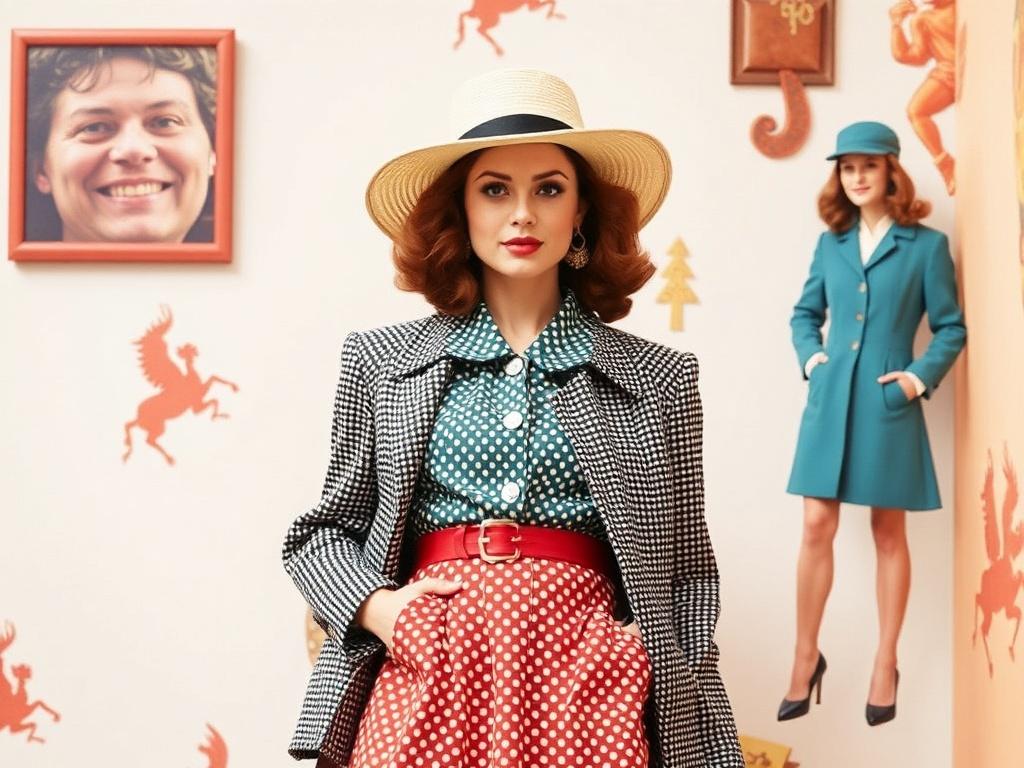
Walk into a room where someone is wearing a 1940s wool coat or a 1970s floral dress and you notice more than fabric. You notice choices: history, personality, an argument against the fast-moving conveyor belt of the now. Vintage and retro fashion have a peculiar gravity. They pull at memory, style, and values, and they keep pulling new generations toward secondhand rails, curated boutiques, and DIY alterations. This article is an open invitation to understand why these garments matter, how to find and care for them, and how to make them feel entirely modern.
We will trace terms, timelines, and marketplaces. We’ll walk through practical shopping and care advice, highlight iconic pieces, and explore the social and environmental reasons people keep coming back to older clothing. If you love texture in stories as much as in wool and silk, you’ll find both context and immediate, useful tips here. Read on a little at a time or dive in headfirst—either way, you’ll finish with a clearer sense of what vintage and retro fashion are, and how they can fit into your life.
Defining Vintage and Retro: Words That Matter
People use the words “vintage” and “retro” almost interchangeably. That’s understandable, but they mean different things. Knowing the difference helps you shop, understand value, and make intentional choices.
What “Vintage” Really Means
Vintage typically refers to garments or accessories that are at least 20—sometimes 30—years old and that were produced in the era they represent. When you hold a vintage tea dress from the 1950s, you are holding a product of that decade’s design, textiles, and labor. Vintage items often offer authentic materials and construction methods that differ from mass-produced clothing today. Collectors tend to value provenance, original labels, and condition.
What “Retro” Means
Retro describes new garments that deliberately reference or imitate styles from the past. A newly made dress cut in a 1960s silhouette using modern poly-blends is retro. Retro draws on nostalgia and recognizable motifs without being an authentic old piece. Retro can be more affordable and easier to integrate into current wardrobes, and it allows designers to adapt iconic shapes to contemporary fits and fabrics.
Between the Two: Vintage-Inspired
There’s a blurred middle ground known as “vintage-inspired,” where designers create pieces that look old but are neither vintage nor strictly retro. These garments take cues from historical periods but update aspects like sizing, stretch, or sustainable materials. They offer aesthetic continuity without the conservation headaches that come with fragile vintage fabrics.
A Short History: Fashion’s Return Loop
Fashion rarely travels in a straight line. Trends loop, collapse, recombine, and resurrect. This section sketches how looks moved across the 20th century and into today, explaining why certain decades keep resurfacing.
The Early 20th Century: Function Meets Elegance
The first half of the 20th century was shaped by seismic social shifts—wars, industrialization, and changing gender roles. Practical tailoring rose with menswear influences in the 1920s and 1930s. After World War II, Christian Dior’s “New Look” in 1947 reintroduced full skirts and nipped waists as a reaction to wartime austerity. Fabrics and manufacturing limitations made garments built to last, often with superior handwork and durable natural fibers.
The Mid-Century Explosion: Youth Culture and Experimentation
The 1950s and 1960s brought a democratization of style. Mass production, growing consumer culture, and youth movements produced new categories of clothing. The mod look—clean lines, bold color blocks—was born in the 1960s, along with the surge of sportswear and ready-to-wear items. These decades provided countless signature looks that designers rediscover again and again.
1970s and 1980s: Texture and Power
The 1970s favored bohemian silhouettes, synthetic fabrics, and an eclectic mix of global influences. The 1980s turned up volume: oversized blazers, shoulder pads, and power dressing emerged alongside an embrace of athletic and streetwear influences. These decades offered bold shapes and strong personal statements, which explain their continuing revival.
1990s and Early 2000s: Minimalism and Mashups
The 1990s dialed back ornamental excess for a lean, grunge-inflected minimalism. Slip dresses, flannel, and baggy denim reappeared in the 2010s and 2020s—proof that even pared-down looks have staying power. The early 2000s created a flashpoint of trends—low-rise jeans, logo-heavy garments, and glossy pop aesthetics—that are now being reassessed and repurposed by contemporary stylists.
Why Vintage and Retro Fashion Appeal
There are practical and emotional reasons people seek out older garments. Some are straightforward: better fit, unique materials. Others are subtler: connection, memory, anti-fast-fashion sentiment. Below I break these reasons into categories to make them easier to consider.
Nostalgia and Storytelling
Clothing carries stories. A floral dress from the 1970s evokes family gatherings, radio songs, and a different rhythm of life. Wearing or collecting vintage is often about adding a layer of narrative to daily dress. People enjoy garments that feel storied rather than anonymous.
Individuality and Authenticity
High street racks supply endless sameness. Vintage garments are less likely to be replicated in your coffee shop. Wearing an original 1960s shift or a 1950s coat announces a personal aesthetic that resists homogenization. Retro styles let you reference eras without committing to a truly old piece, and both approaches communicate distinctiveness.
Quality and Craftsmanship
Some vintage pieces were made with heavier fabrics and hand-sewn finishes. Tailoring techniques that prioritized structure and longevity can still be found in older garments. When you find such a piece, it can feel like a small victory against disposable apparel—it often looks and wears differently.
Sustainability and Circular Fashion
Buying used garments reduces waste and lessens the demand for new production. While not everything old is automatically eco-friendly—transport and restoration have impacts—reusing clothing is a practical, immediate form of circular consumption. Retro and vintage practices also encourage mending, repurposing, and slower consumption overall.
Investment and Value
Some vintage pieces appreciate. Designer handbags, rare couture, or well-preserved mid-century coats can become valuable assets. Collectors and investors search out provenance and condition, and pieces from sought-after designers or limited runs can fetch high prices at auction.
Crafting an Aesthetic
Vintage and retro allow you to build consistent aesthetics—cottagecore, rockabilly, mod, boho—without buying into fast-fashion cycles. They enable both subtle and committed looks. A single 1950s skirt can anchor a wardrobe; a 1980s blazer can reshape a silhouette. The ability to craft a coherent personal language of dress is an underrated attraction.
Where to Shop: A Practical Guide
Shopping for vintage requires patience and strategy. Unlike buying off-the-rack, it’s a treasure hunt with variables: condition, size, label, and price. Below is a practical map of places to search and what to expect from each.
| Shopping Venue | What You’ll Find | Pros | Cons | Price Range (Typical) |
|---|---|---|---|---|
| Thrift Stores | Mismatched but varied; everyday vintage | Low prices, good for basics | Inconsistent sizing, limited curation | $5–$80 |
| Flea Markets | Eclectic, including rare finds | Treasure-hunt thrill; potential bargains | Variable condition; haggling required | $10–$300+ |
| Vintage Boutiques | Curated, in-season selections | Higher quality control; styling help | Higher prices due to overhead | $50–$1,000+ |
| Online Marketplaces | Wide selection: Etsy, eBay, specialized sites | Access to rare items globally; filters | False images; shipping/returns risk | $15–$500+ |
| Auction Houses | Designer pieces, rare finds | Provenance, authentication possible | Competitive pricing; fees apply | $200–$100,000+ |
| Estate Sales | Household collections; unique assortments | Potentially pristine or tagged items | Time-sensitive; local only | $20–$1,000+ |
Online Shopping Tips
When buying vintage online, images and descriptions are your only guides. Learn to read listings carefully. Look for detailed photos of seams, labels, measurements, stains, and repairs. Ask sellers for additional pictures if needed. Pay attention to measurement charts and compare them to a garment you already own that fits well. If a seller provides a vintage grading system—mint, excellent, very good—learn how they define these categories.
In-Person Strategies
When you’re in a physical store or market, check interior seams, linings, and zippers. Labels provide insight about origin and fabric content. Try on, if possible, and mimic movements like raising your arms to test the fit. If you can’t try, ask the seller about stretch, drape, and forgiving seams. Have a tailor in mind—many pieces can be altered to fit perfectly, and a good tailor is worth knowing.
Inspecting Vintage: Condition, Fabric, and Alterations
Buying vintage is part archaeology, part appraisal. You need to know what to accept and what to avoid. Below are practical checkpoints that help judge a garment’s lifespan and value.
- Labels and Tags: Original labels increase value and help with dating. Look for manufacturer tags, size tags, and care instructions.
- Condition of Seams: Check for loose threads, puckering, and replaced sections. Reinforced seams indicate repairs; small mends are acceptable but should be visible in photos if buying online.
- Closures: Examine zippers, buttons, and snaps. Original hardware has collectible value; modern replacements may reduce authenticity but can improve wearability.
- Stains and Odors: Stains may be removable, but some are permanent—especially age yellowing on collars and underarms. Smells can be treated, but be cautious with severe mildew or long-standing odors.
- Fabric Integrity: Natural fibers can weaken over time. Hold the fabric up to light to inspect for thin spots, especially on elbows and underarms.
- Lining Condition: Linings often fail first. A healthy lining can extend the life of a garment; a deteriorating lining may signal more extensive repairs needed.
Caring for Vintage Garments
Treating older clothes well can extend their life by years, even decades. Some require special handling; others respond well to modern cleaning techniques. The rules aren’t universal, but a few careful practices will help most items.
General Care Principles
Handle gently, clean minimally, and store smartly. Avoid over-washing—many fabrics only need airing. When cleaning, test a small inconspicuous area first. Where possible, use a combination of hand-washing and professional dry cleaning with shops experienced in vintage garment care.
| Fabric | Cleaning Method | Storage Advice | Repair Notes |
|---|---|---|---|
| Silk | Spot clean or professional dry clean | Hang on padded hanger; cool, dark closet | Reinforce seams; avoid ironing directly |
| Wool | Brush and air; occasional hand wash or dry clean | Fold with acid-free tissue; cedar blocks for moths | Reweave small holes; patch carefully |
| Cotton | Machine wash gentle or hand wash | Hang or fold; away from direct sun | Restitch seams; replace buttons |
| Lace and Net | Soak in cool water with mild detergent; air dry | Store flat; acid-free tissue between folds | Fine hand mending required |
| Leather | Wipe with damp cloth; condition with leather cream | Hang; avoid plastic covers | Professional repair for tears |
| Rayon | Hand wash cold or dry clean | Fold; avoid stretching when wet | Replace zippers carefully |
Stain and Odor Remedies
White vinegar in a cold-water soak can help lift odors without harming fibers. Club soda may remove fresh stains. Hydrogen peroxide works on protein stains but can bleach color—test first. For yellowing on white linens, a professional restorer may use specialized treatments. Avoid chlorine bleach except in extreme, carefully monitored situations; it weakens fibers over time.
Storage: The Long Game
Store garments in breathable cotton covers rather than plastic bags, which trap moisture and encourage mildew. Use acid-free tissue to pad shoulders and prevent creasing. Rotate pieces seasonally to avoid permanent fold lines. For long-term preservation, climate control—reasonable humidity and cool temperatures—makes a huge difference.
Styling Vintage: Rules and Inspirations
Mixing old and new requires both taste and tactics. The best styling preserves the uniqueness of vintage while ensuring silhouettes feel contemporary. Below are guidelines and outfit suggestions you can adapt to your life.
Principles of Mixing Eras
Balance is the first lesson. Pair a statement vintage piece with minimalist modern items so the vintage item reads intentionally. Consider scale: a 1950s full skirt may feel theatrical if paired with too many vintage accessories. Pair it instead with a slim, modern top and neutral shoes for a fresh silhouette.
- Anchor with Neutrals: Let bold vintage prints exist against simple bases.
- Limit Themed Looks: Avoid dressing head-to-toe in one era unless that’s your aim; pick one or two vintage pieces per outfit.
- Update Proportions: Tuck, crop, or belt to make older shapes work with current proportions.
- Modern Shoes Matter: Contemporary footwear can instantly update a garment’s feel.
- Mind the Occasion: Vintage can be casual or formal—choose accessories that match the event.
Outfit Ideas
Below are concrete combinations to help you imagine vintage translated into daily life.
- Casual Weekend: 1990s oversized denim jacket over a modern T-shirt, cropped trousers, and white sneakers.
- Office-Ready: 1980s structured blazer with slim modern trousers, silk scarf, and loafers.
- Evening: 1950s cocktail dress with minimal jewelry and contemporary heels for a balanced, elegant look.
- Layered Fall: 1970s suede vest, long-sleeve mock neck, high-waisted jeans, and ankle boots.
- Festival or Boho: 1970s maxi with modern belt and leather sandals, accentuated by stacked bracelets.
Iconic Vintage Pieces Worth Owning
Some pieces keep proving their worth through decades. Collecting a few thoughtfully chosen items means you can build a versatile, compelling wardrobe without clutter.
- The Little Black Dress (1920s–1960s): A simple LBD from a reputable era—whether flapper simplicity or 1960s sheath—remains a foundation for occasion dressing.
- Tailored Coat (1940s–1950s): Heavy-wool tailored coats with structured shoulders and nipped waists are both practical and stylish.
- Leather Jacket (1950s): Classic motorcycle cuts maintain toughness and edge across decades and genres.
- Denim Jacket (1960s–1990s): Depending on distressing, denim jackets can read retro or modern and layer beautifully.
- Power Blazer (1980s): Oversized or sharply tailored blazers work with both feminine and masculine styling choices.
- Boho Maxi Dress (1970s): A floaty, printed maxi is still one of the most versatile summer pieces.
- Shift Dress (1960s): Clean, mod shapes are easy to personalize with jewelry and shoes.
- Vintage Suit (1940s/1950s): Men’s or women’s tailored suits from mid-century convey formal craft and timelessness.
Collecting Vintage: How to Start and Grow a Collection
Collecting isn’t the same as thrifting for everyday wear. It is deliberate and often involves research. Here are practical steps to begin and grow a collection that retains meaning and value.
Step 1: Define Your Focus
Collectors often specialize—by decade, garment type, designer, or function (eveningwear, outerwear, etc.). A focused approach sharpens your eye and helps you learn price ranges and authenticating marks.
Step 2: Learn to Authenticate
Study labels, stitching techniques, button types, and fabric content for your chosen era. Reference books, museum collections, and online forums are crucial resources. Consider building a small library of dated catalogs or fashion books that show contemporary advertising and product images.
Step 3: Condition vs. Rarity
Decide whether condition or rarity drives your purchases. A rare garment in poor condition might be worth collecting if it’s a key piece in your area of interest, but it will require restoration. Conversely, well-preserved everyday items can make attractive wearable collections.
Step 4: Storage and Insurance
Proper storage is non-negotiable. Use acid-free materials, climate control if possible, and consider insurance for high-value items. Document provenance—receipts, photos, and seller information help maintain value over time.
Step 5: Community and Expertise
Attend shows, join collector societies, and participate in online forums. Knowledge exchanges save time and money and help you avoid costly mistakes.
Valuing Vintage: Price Factors
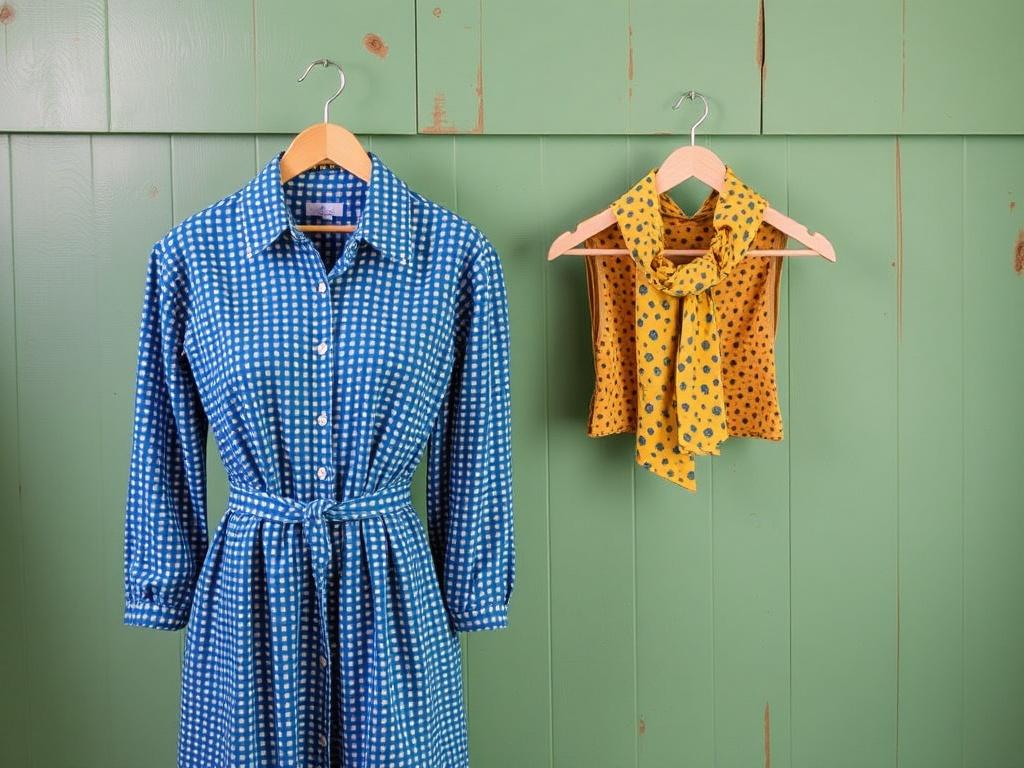
Price is not only about age. Several variables influence an item’s market value.
- Designer and Brand: Clearly, labeled vintage by sought-after names commands higher prices.
- Rarity: Limited runs, custom garments, and pieces worn by notable figures increase desirability.
- Condition: Mint or near-mint examples fetch premiums, while heavily worn items are priced lower.
- Provenance: Documentation of the garment’s history enhances value.
- Trend Cycles: Popularity spikes for certain aesthetics raise prices in the short term.
Selling Vintage: Tips for Getting a Fair Price
Selling is as strategic as buying. Presenting the piece clearly and knowing market channels will maximize returns.
- Research comparable sales: Look at recent completed listings to set realistic prices.
- Provide detailed photos: Multiple angles, close-ups of imperfections, labels, and measurements.
- Write honest descriptions: Note any flaws, repairs, and alterations to set buyer expectations.
- Choose the right platform: Auctions for rare or designer pieces; specialized vintage platforms for curated items; local consignment for higher-ticket garments.
- Consider restoration carefully: Professional cleaning can improve value for many items, but intrusive repairs might reduce collectible worth.
Subcultures, Identity, and Community
Vintage and retro are not only individual choices—they’re communal languages. Subcultures use older clothing as signaling mechanisms. Understanding these communities clarifies how garments function beyond aesthetics.
Rockabilly and Pin-Up
Rooted in 1940s and 1950s Americana, this community values full skirts, fitted waists, and vintage hairstyles. Events and competitions exist where authenticity in garment and grooming is prized.
Mod and Northern Soul
Mods favor sharp tailoring, parkas, and scooters. Their look is compact, crisp, and often inspired by 1960s British street style. Enthusiasts attend dances and vinyl nights that reinforce era-specific dress codes.
Bohemian and Hippie-Inspired Communities
1970s motifs—fringes, embroidered fabrics, and ethnic prints—feed modern boho and festival cultures. These spaces prioritize handmade or artisanal qualities in garments.
Cottagecore and Slow-Living Movements
Cottagecore’s pastoral influences draw from prairie dresses and floral prints. The movement values domestic craft, mending, and slow consumption—all practices that dovetail with vintage fashion habits.
Ethical Considerations and the Environmental Impact
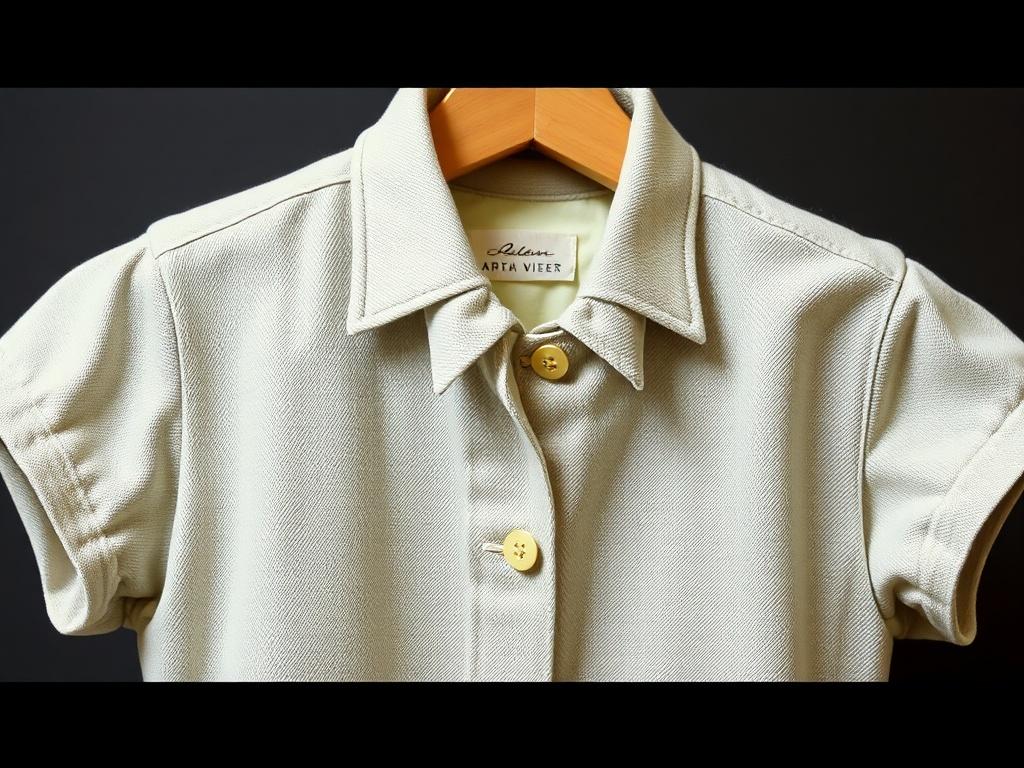
Vintage fashion sits within the broader question: is secondhand always ethical? The answer is nuanced. Secondhand consumption reduces the need for new clothing but can carry complexities.
Positive Environmental Impacts
Buying vintage extends a garment’s life, reduces demands on new production, and discourages disposable culture. It can also support local economies when boutiques and markets drive small-business revenue.
Potential Downsides
Not all vintage traffic is positive. High demand for specific vintage items can create supply pressures and price inflation, making some to-be-reused goods inaccessible. Shipping vintage across continents carries a carbon footprint. There are also ethical concerns when resale markets profit from marginalized communities who rely on donation systems but cannot access the resale profits.
Counterfeit and Misleading Labels
Some sellers misrepresent modern reproductions as original vintage. Authenticity matters—not only for value but for the history and integrity of garments. Educate yourself and support sellers who provide clear provenance.
Repair, Alteration, and Upcycling Techniques
One of the most rewarding aspects of vintage fashion is the ability to mend and reinvent. Basic sewing skills let you extend the life of beloved items. Here are practical projects and a step-by-step example you can try.
Useful Repair Tools
- Quality needles and threads in multiple weights
- Seam ripper
- Patching fabric and fusible interfacing
- Tailor’s chalk and measuring tape
- Hand-sewing thimble and small sharp scissors
Simple Upcycling Project: Convert a Long Dress into a Midi Skirt
- Try the dress on and mark the desired skirt length with tailor’s chalk.
- Remove the bodice by carefully unpicking seams between the bodice and skirt.
- Hem the raw edge of the skirt to the marked length: fold once, press, fold again, and stitch.
- Use the bodice fabric to create a wide waistband if needed: measure and stitch to fit your waist.
- Attach the new waistband to the skirt using a sewing machine or hand-stitching, reinforcing seams as required.
- Press the finished garment and add any finishing touches, like a new zipper or button if required.
Mending vs. Replacing: A Decision Guide
If a repair can be done with a patch or a new seam and preserves the garment’s structure, mending is preferable. Replacing original hardware might improve wearability but can reduce collector value. Match your decision to your goals: wearability or preservation.
Vintage and Retro on the Digital Stage
Social media and online marketplaces have transformed how vintage is discovered and purchased. Communities form around shared aesthetics, and digital tools help identify and evaluate pieces.
Platforms and Tools
- Instagram & TikTok: Visual storytelling platforms where stylists, boutiques, and collectors show finds and styling ideas.
- Etsy & eBay: Massive secondhand marketplaces with filters and buyer protections.
- Specialized Sites: Platforms like Depop, TheRealReal, and Vestiaire Collective curate and authenticate higher-end items.
- AI and Apps: Image-recognition tools can help identify labels or eras, although they’re not foolproof.
Digital Considerations
Photos can be flattering; always ask for more images and verification if necessary. Review return policies, ask about shipping conditions, and consider local pickup for fragile, heavy, or high-value items to reduce transit risk.
Regional Nuances: Vintage Markets Around the World
Vintage tastes and markets vary regionally. Local culture, climate, and history shape what becomes desirable and available.
Europe
European cities often have well-established vintage districts and specialist shops. Cities with strong fashion histories—London, Paris, Milan—offer high-quality finds and expert dealers. In many parts of Europe, you’ll find well-preserved wool coats and high-end designer pieces due to different consumption patterns in decades past.
North America
American vintage markets are vast and varied—ranging from thrift store chains to high-end consignment. Regional styles exist: Western wear is more common in certain areas, while urban centers carry diverse international influences.
Asia
Japan stands out for a deep reverence for quality and curation in vintage. Organized markets, immaculate stores, and knowledgeable vendors make it an excellent place to seek both high-end and everyday pieces. Other Asian markets blend local traditional garments into vintage mixes.
Events, Fairs, and How to Immerse Yourself
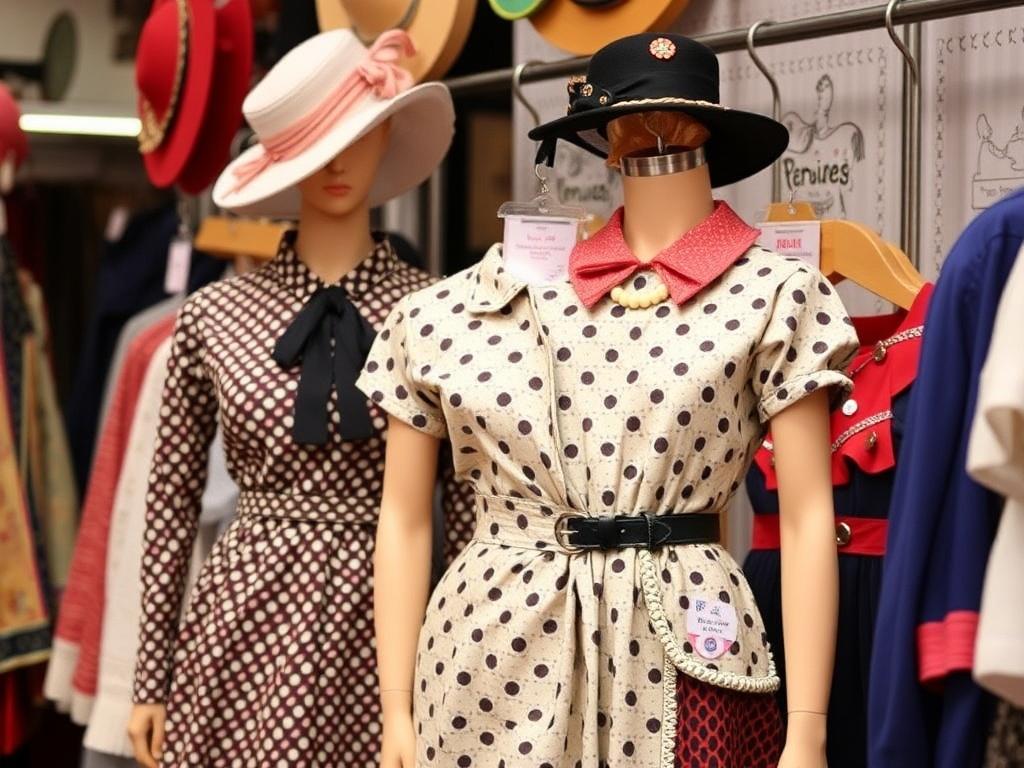
In-person events are excellent for hands-on learning, connecting with experts, and discovering rare pieces. These gatherings range from local flea markets to international vintage conventions.
- Flea Markets: Good for treasure hunting and bargaining.
- Vintage Fairs: Often curated and themed, with knowledgeable sellers.
- Auctions and Estate Sales: Best for rare and designer pieces; often require patience and funds.
- Workshops and Meetups: Offer skills training in mending, dating, and restoration.
The Future of Vintage and Retro Fashion
What happens next? Some trends are visible: digital tools will continue refining authenticity checks; rental platforms may integrate more vintage; and sustainability will keep driving interest in secondhand. Technology such as 3D scanning might allow digital archives of rare garments, enabling safer restoration and virtual try-on experiences.
At the same time, cultural shifts will continue to reinterpret the past. Younger generations are not simply repeating previous decades—they’re remixing them. A 1970s blouse might appear with Y2K butterfly clips and 1990s denim, creating hybrid aesthetics that didn’t exist before. That creative recombination is one reason vintage stays vital: it supplies raw material for new expression.
Resources: Books, Museums, and Online Learning
If you want to dig deeper, the following resources offer solid grounding and continuous learning.
- Books: Look for well-researched fashion histories by reputable authors that include catalogs and period photography.
- Museums: Costume collections at major museums often have digital archives with high-resolution images and descriptions.
- Online Forums: Specialized groups on social platforms help with dating, authenticity, and repair advice.
- Workshops: Sewing and restoration workshops provide practical skills that make collecting enjoyable and sustainable.
Practical Checklist for New Vintage Buyers
To keep things actionable, here’s a short checklist you can use when you’re about to buy a vintage or retro item.
- Read the description and look closely at photos for imperfections.
- Compare measurements with a similar garment you own.
- Ask questions about provenance, repairs, and cleaning history.
- Consider cost of alterations or restoration when calculating value.
- Decide how you’ll style the piece—one focal item per outfit is a safe starting place.
- Plan storage: clean and store properly as soon as you receive the garment.
Common Myths and Misconceptions
Here are a few misconceptions that often trip up beginners—and how to see past them.
- “All vintage is expensive.” Not true. There are abundant affordable pieces, especially basics and unbranded garments.
- “Only rare designer items have value.” Everyday vintage can be meaningful and wearable without being investment-grade.
- “Vintage is always fragile.” Some older garments are robust. Others require gentle handling; always inspect materials.
- “You can’t wear vintage casually.” You absolutely can—mix with modern items and keep one vintage piece per outfit for approachability.
Case Studies: How Vintage Transformed Individual Wardrobes
Stories help clarify. Here are two brief examples of how folks integrated vintage into daily life in meaningful ways.
Case Study 1: Updating a Professional Wardrobe
Claire, a lawyer in her early 30s, wanted to avoid corporate sameness. She purchased a structured 1980s navy blazer from a boutique. Paired with slim-cut trousers and a crisp modern blouse, the blazer became her signature item. A local tailor slightly narrowed the shoulders and updated some lining—small alterations that preserved the garment’s vintage soul while ensuring a contemporary fit. The result: a memorable look that reads both authoritative and distinct.
Case Study 2: Building a Casual, Sustainable Wardrobe
Marcus sought to cut back on new purchases. He started browsing local thrift stores and online marketplaces. Over two years he assembled core pieces: a heavy wool coat, a denim jacket, several vintage T-shirts, and paired them with a few modern essentials like chinos and sneakers. His wardrobe became less impulse-driven and more curated. He learned mending skills and now repairs his own garments, which he finds rewarding and satisfying.
Final Thoughts: Why It Matters
Vintage and retro fashion are not mere echoes of the past. They are living practices that offer choice, reduce waste, and enrich personal expression. Whether you’re attracted to the quality of construction, the thrill of discovery, the hunt for authenticity, or the ethics of reuse, older clothes have something to teach us about consumption and taste.
Engaging with vintage means learning patience and judgment. It encourages a relationship with garments instead of transactional buying. That in itself is a form of resistance to the disposability that characterizes much of contemporary fashion. If you want to begin, start small: visit a local market, try a single piece, learn to mend, and see how your relationship with clothing changes. Over time you may find your style deepening and your purchases becoming more meaningful.
Takeaway
Vintage and retro fashion combine practical benefits with emotional resonance. They offer alternatives to fast fashion, avenues for creative expression, and a route to more thoughtful consumption. Whether you’re outfitting a look, building a collection, or simply curious, the world of vintage invites exploration with hands-on learning, community exchange, and a bit of detective work. The results—refreshingly individual outfits, restored garments, and stories stitched into seams—make the effort worthwhile.
Now go touch some fabric, ask about a label, or try patching a hem. The rest will follow—one careful purchase and one mended stitch at a time.