
SQLITE NOT INSTALLED
Men’s grooming used to mean a quick shave, a splash of cologne, and maybe a haircut every few weeks. Those days are fading fast. Today, “care” covers everything from scalp health and beard maintenance to skin routines, mental health, and knowing when to see a professional. This article is an honest, step-by-step look at why men’s self-care matters, how to start without fuss or stigma, and how to adapt routines to real life. No preaching. Just practical help so you can feel better and look like you mean it.
Why men’s care still triggers awkwardness — and why that’s changing
For decades, cultural expectations boxed men into a narrow view of masculinity: stoic, unbothered, and indifferent to appearance. That legacy lingers. Many men were taught that taking time for personal care signals vanity or insecurity. But attitudes are shifting. Men today are more visible in skincare aisles, at barber shops requesting shape-ups, and in spas asking about treatments.
That change isn’t vanity; it’s practical. Healthy skin resists irritation and infection. A proper routine reduces razor burn, fights dandruff, and helps you present your best self in professional and personal settings. Beyond the external perks, self-care routines can anchor daily life, reduce stress, and even protect long-term health. It’s both surface and substance.
Breaking down the taboos: what stops men from seeking care
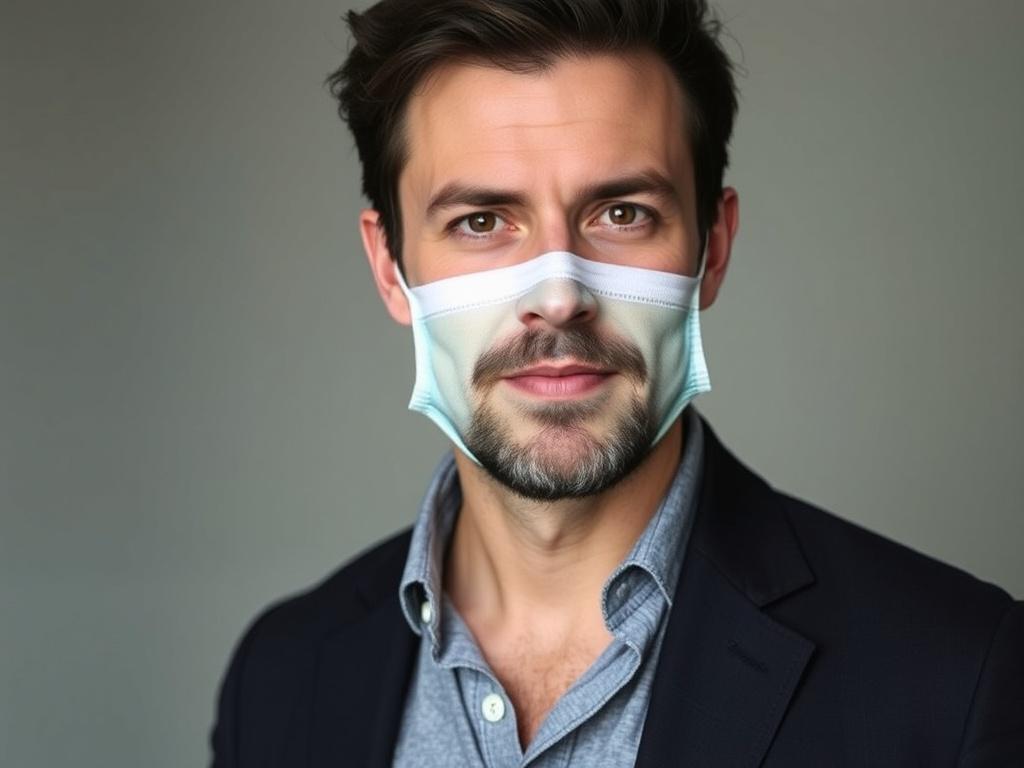
There are a few common reasons men delay or avoid care: fear of judgment, lack of knowledge, worries about cost, and the mistaken belief that “basic” is enough. Let’s be blunt—many of these barriers are myths. Knowledge closes the gap. A basic routine can be affordable. And the social stigma fades when more men model self-care openly.
Another obstacle: confusing marketing. Product claims and ingredient lists can be bewildering. That’s why simple, evidence-based guidance is worth its weight in gold: the goal is workable habits you’ll maintain, not a shelf full of half-used jars and regrets.
Who benefits from men’s care?
Everyone. Whether you’re young with an oily T-zone, middle-aged dealing with hair thinning, or older managing dry skin and deeper wrinkles, a tailored approach brings benefits. Active lifestyles, frequent travel, harsh weather, and occupational demands all change your needs. The key is to match routine and products to your skin type, hair, and life rhythm.
Skin fundamentals: understanding your skin so you don’t waste time or money
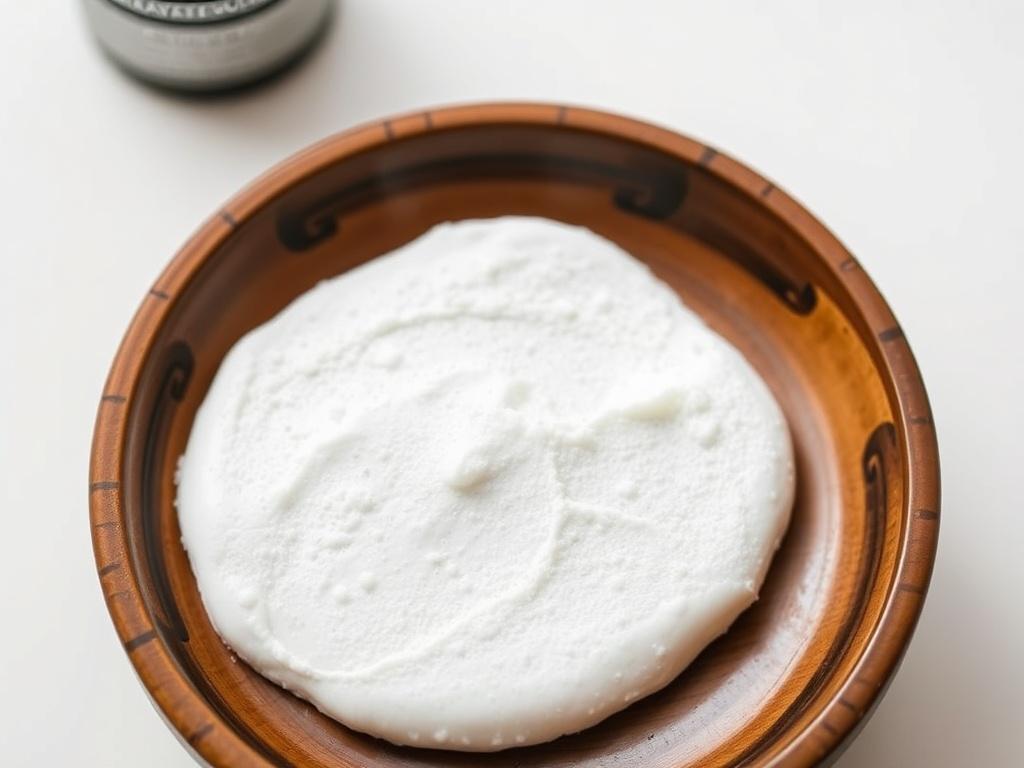
Skin is not mysterious. It’s an organ—your largest one—constantly reacting to the environment and your habits. The first step in effective care is identifying your skin type: oily, dry, combination, sensitive, or normal. Once you know that, the rest becomes decisions, not guesswork.
Oily skin responds well to gentle cleansing and lightweight, non-comedogenic moisturizers. Dry skin needs richer creams and possibly a humectant like glycerin or hyaluronic acid. Sensitive skin benefits from fragrance-free formulations and minimal active ingredients. Combination skin is about balancing a more mattifying approach in the T-zone with hydrating care for cheeks.
Daily skin routine that actually works
Consistency beats complexity. A practical morning and evening routine can be done in five minutes each. The chart below gives a straightforward plan you can adapt.
| Time | Step | Purpose | Product types |
|---|---|---|---|
| Morning | Cleanse | Remove oils produced overnight and refresh | Gentle gel or cream cleanser |
| Morning | Treat | Address specific concerns (acne, pigmentation) | Vitamin C serum, niacinamide, or targeted treatment |
| Morning | Moisturize + SPF | Hydrate and protect against UV damage | Lightweight moisturizer with SPF 30+ |
| Evening | Cleanse | Remove dirt, sweat, pollution | Same cleanser or a double-cleanse if very oily |
| Evening | Treat | Repair and renew overnight | Retinol (low concentration to start), or hydrating serum |
| Evening | Moisturize | Lock in hydration and support barrier | Richer cream if dry, lightweight if oily |
Key ingredients to know (and those to be cautious about)
Rather than chasing the latest buzzword, focus on a few effective ingredients. Vitamin C brightens and fights free radicals. Niacinamide regulates oil and calms redness. Hyaluronic acid hydrates without heaviness. Retinoids boost cell turnover and help with aging and acne—but start slow to avoid irritation. For sensitivity, look for ceramides and minimal fragrance.
Avoid strong actives without guidance. Over-exfoliating or combining multiple potent treatments can cause barrier damage—a setback that takes weeks to repair. If you’re unsure, introduce one new product at a time and observe for two to four weeks.
Barbers, salons, and facials: professional care isn’t just for celebrities
Walking into a barber or clinic can feel intimidating at first. But professionals bring skills and tools beyond what you have at home. A good barber does more than cut hair: they shape your look to your face and lifestyle. Estheticians can perform extractions, chemical peels, and deeper cleaning that reduce long-term issues like congestion and uneven texture.
Not every treatment is for everyone. An introductory facial that includes consultation, a light exfoliation, and a hydrating mask is a low-risk way to test the water. If you have severe acne, pigmentation, or persistent inflammation, a dermatologist is the right choice. Consider professional treatments as targeted maintenance—a boost rather than a daily crutch.
What to expect at a first appointment
The first visit is mostly about listening. Expect questions about your routine, concerns, allergies, and medications. Be honest about your shaving habits, sunscreen use, and products. A trained professional will tailor recommendations, and often send you home with a minimal, achievable plan.
Facial hair: beyond “grow it or shave it”
Beards and mustaches are personal statements and functional structures. Growing facial hair changes skin care: hair traps oil and dirt, and the skin under a beard can dry out. Regular trimming, combing, and washing keep a beard healthy. Oil-based balms and lightweight conditioners prevent itchiness and flaking.
For men who shave, technique matters. Use a sharp blade, hydrate the beard with warm water or a pre-shave oil, and choose products suited to your skin. If razor burn or ingrown hairs are recurring, consider an electric razor with adjusted settings, or talk to a clinician about topical treatments that reduce inflammation.
Beard care quick checklist
- Wash 2–3 times weekly with a gentle beard shampoo to avoid over-drying.
- Use beard oil after washing to hydrate the skin and soften hair.
- Comb daily to distribute oils and prevent tangles.
- Trim regularly to maintain shape and remove split ends.
Hair and scalp: more than coping with thinning
Hair concerns range from dandruff and oily scalps to genetic hair loss. Each requires distinct approaches. Dandruff might respond to zinc pyrithione or ketoconazole shampoos. Oily scalps benefit from lighter shampoos and less frequent conditioning on the roots. For hereditary hair thinning, early action offers better outcomes—medically approved options exist, as do cosmetic solutions like concealing fibers and strategic cuts.
Styling matters: the right cut can make hair look fuller. A skilled barber can recommend styles and thinning-friendly products. And remember: scalp health supports hair health. Avoid harsh daily shampoos on fragile hair and consider gentle treatments that soothe the skin beneath.
Table: common scalp issues and practical responses
| Scalp issue | Cause(s) | Immediate steps | When to see a professional |
|---|---|---|---|
| Dandruff | Yeast, dry skin, sensitivity to products | Use anti-dandruff shampoo 2–3x weekly | If severe flaking or inflammation persists |
| Itchy scalp | Product buildup, dry skin, dermatitis | Clarifying shampoo, gentle moisturizers | When itching is severe or causes sores |
| Thinning hair | Genetics, stress, nutrient deficiencies | See a specialist early; avoid harsh treatments | Rapid shedding or patchy loss |
| Oily scalp | Overactive sebaceous glands | Wash regularly; avoid heavy conditioners at the roots | Persistent greasiness despite care |
Body care: beyond showering
Body care includes hygiene, skin maintenance, and prevention. Regular cleansing is obvious, but don’t forget to moisturize regularly, especially after showering when skin is primed to absorb hydration. Use a deodorant that balances odor control and irritation risk—fragrance-free options are gentler on sensitive skin.
Hands and feet deserve attention. Rough hands and cracked heels can be smoothed with targeted exfoliation and richer creams. If you’re active or on your feet a lot, rotate footwear and keep calluses under control to prevent pain and infections.
Simple weekly body ritual
- Exfoliate body once a week with a gentle scrub or chemical exfoliant to remove dead skin.
- Apply richer moisturizer to areas prone to dryness—elbows, knees, feet—after showering.
- Trim nails and clean under them to reduce bacteria buildup.
- Inspect skin for unusual moles or lesions and track changes.
Mental health as part of care: the quiet essential
Men are less likely to seek mental health help, often due to stigma and cultural expectations. Yet caring for your mind is as practical as caring for your skin. Regular exercise, sleep routines, and purposeful downtime benefit cognition and mood. Simple practices like deep breathing, journaling, and scheduled breaks during work reduce chronic stress.
If anxiety, depression, or difficulty functioning intrude, reach out. Talking to a trusted friend, a counselor, or a medical professional is not weakness—it’s an efficient, evidence-based route back to productivity and well-being.
Small daily habits that support mental health
- Morning sunlight for 10–20 minutes to regulate circadian rhythm.
- Short walks after meals to clear the head and aid digestion.
- Limit late-night screen time to support sleep quality.
- Schedule a weekly activity that’s non-work and enjoyable—meeting friends, hobbies, or a sport.
Sexual and intimate health: normalizing conversations
Intimate health is part of overall care, yet many men hesitate to discuss erectile concerns, libido changes, or urinary symptoms. These issues are common and often treatable. Rather than letting guilt or embarrassment fester, a straightforward medical consultation can identify medical conditions, lifestyle contributors, or mental health links.
Safe sexual practices, regular screenings where relevant, and honest communication with partners are practical steps to protect long-term health. Prevention and early treatment avoid complications and preserve confidence.
When to see a clinician
- Sudden or persistent changes in libido or sexual performance.
- Unusual lumps, discharge, or pain in the genital area.
- Urinary changes like pain, frequency, or difficulty.
- Skin lesions that change shape, color, or fail to heal.
Aging and anti-aging: realistic steps that pay off
Aging is inevitable. But many of its visible signs respond well to consistent care. Sunscreen is the most effective anti-aging tool—daily use prevents much of the pigmentation, texture changes, and loss of elasticity attributed to sun damage. Hydration, topical retinoids (used appropriately), and professional modalities like chemical peels or laser resurfacing can help once you’ve laid the groundwork.
Set realistic expectations. No product fully reverses time, but a combination of prevention, treatment, and lifestyle (sleep, diet, not smoking) significantly improves skin quality and resilience. The payoff is not vanity alone; it’s looking polished and healthy at every age.
Anti-aging checklist by decade
| Age | Focus | Recommended actions |
|---|---|---|
| 20s | Prevention | Sunscreen daily, gentle routine, start antioxidants |
| 30s | Maintenance | Introduce retinol slowly; emphasize hydration and sleep |
| 40s | Repair | Consider professional treatments; strengthen routine with peptides |
| 50s+ | Support | Focus on barrier repair, targeted treatments for thinning skin |
Cosmetics for men: subtle, effective, and not a fashion show
“Makeup for men” often scares people into visualizing dramatic looks. In reality, the category includes subtle products designed to even skin tone, conceal blemishes, and enhance color without obvious makeup. Tinted moisturizers, tinted sunscreens, and lightweight concealers are options if you want a polished, natural appearance for important meetings or events.
The idea is not transformation but correction. Start with small steps: a tint to neutralize redness or a concealer for an occasional breakout. If you’re unsure how to apply, ask a professional or a friend who is familiar with subtle techniques. Men’s makeup is practical—it’s a tool, not a costume.
Beginner’s kit for subtle enhancement
- Tinted moisturizer with SPF for daily lightweight coverage.
- Concealer stick for targeted spots or under-eye circles.
- Translucent powder to reduce shine in photos or under lights.
- Beard filler pencil or fibers for thinning patches (optional).
Dealing with acne without drama
Acne doesn’t respect age. Adult men can experience breakouts due to hormones, stress, sweat and friction (think collars and helmets), and buildup under facial hair. Treatment blends consistency and patience: benzoyl peroxide or salicylic acid for spot control, topical retinoids for longer-term improvement, and regular cleansing after sweating.
Don’t pick. Popping lesions increases inflammation and the risk of scarring. For moderate to severe cases, dermatological options such as oral medications or professional procedures may be necessary. Early intervention usually limits scarring and speeds recovery.
Acne management practical steps
- Cleanse gently twice daily and after heavy sweating.
- Use an over-the-counter topical with benzoyl peroxide or salicylic acid.
- Introduce a retinoid at night for stubborn or scarring acne—start with low frequency.
- Avoid heavy oils and comedogenic products near breakouts.
Nutrients and lifestyle: the invisible helpers
Products matter, but lifestyle supplies the foundation. Diets rich in vegetables, lean protein, healthy fats, and whole grains support skin and hair. Hydration matters—both for skin turgor and general function. Sleep is when your body repairs itself; chronic poor sleep accelerates aging and impairs recovery from inflammation.
Physical activity boosts circulation, which supports tissue health and a clearer complexion. And stress management isn’t optional—chronic stress elevates hormones that can worsen acne and hair loss. Think of lifestyle as the platform that makes products more effective.
Practical daily habits for long-term benefits
- Aim for 7–9 hours of quality sleep; keep a consistent sleep schedule.
- Eat a balanced diet with enough protein and omega-3 fats to support skin and hair.
- Drink water throughout the day; carry a bottle as a habit cue.
- Move daily—30 minutes of activity most days supports circulation and mood.
Shopping smart: how to buy products without being overwhelmed

The aisles are full, and influencers will push powerful claims. Save time and money by choosing a few multipurpose, evidence-based products instead of a dozen niche items. Check labels for non-comedogenic and fragrance-free if you have sensitive tendencies. Start simple: cleanser, moisturizer with SPF for day, a nourishing cream for night, and one treatment for a specific issue.
Price isn’t always a reliable indicator of quality. Many mid-priced products offer excellent formulations. Patience matters—you won’t see the full effects of many actives for several weeks. Keep a small journal of what you use and how your skin responds so you can make informed adjustments.
Shopping checklist to avoid waste
- Read ingredient lists—avoid obvious irritants if you have sensitivities.
- Introduce one new product at a time so you can identify reactions.
- Choose multipurpose items for travel (e.g., moisturizer with SPF).
- Keep receipts and test sizes when possible.
Common myths and straightforward truths
Myth: “Men don’t need moisturizer because they have thicker skin.” Truth: Men’s skin is often thicker, but it still loses moisture and benefits from hydration. Myth: “Sunscreen is only for beach days.” Truth: Daily UV exposure adds up; sunscreen is preventive medicine. Myth: “Natural equals safe.” Truth: Natural ingredients can irritate or sensitize—everything needs testing.
Unpacking myths helps you make clear choices. The right routine is not about gendered packaging; it’s about ingredients, needs, and consistency.
Common misconceptions in table form
| Misconception | Reality |
|---|---|
| More products = better results | Consistency and correct combination matter more than quantity |
| Anti-aging is only for older people | Prevention should start young; early care reduces future damage |
| Expensive = effective | Ingredient clarity and suitability trump price |
Practical routines for different lifestyles
Not everyone has time for a ten-step regime. Below are concise routines tailored to common life patterns. Each is designed to be realistic and repeatable.
For the minimalist (5 minutes)
- Morning: gentle cleanser, moisturizer with SPF.
- Evening: cleanse, targeted treatment if needed, moisturizer.
- Weekly: exfoliate once and use a hydrating mask as needed.
For the busy professional (10 minutes with targeted extras)
- Morning: cleanser, antioxidant serum (vitamin C), moisturizer with SPF, quick comb/trim.
- Evening: double cleanse (if wearing sunscreen), retinol or restorative serum, moisturizer.
- Weekly: professional facial every 6–8 weeks or a home exfoliating session.
For the athlete (post-workout focused)
- Post-exercise: quick rinse or cleanse to remove sweat, especially if prone to body acne.
- Daily: lightweight moisturizer, spot treatments for breakouts from friction.
- Weekly: deep-cleanse scalp and use hydrating treatments after heavy training days.
How to introduce yourself to self-care without overwhelm
Start with one visible problem you want to fix—razor burn, under-eye darkness, or a receding hairline. Build a two-step routine around it and stick to it for a month. Track changes and adjust. When that routine becomes habit, add one more component. This incremental approach avoids the “all or nothing” trap and builds sustainable habits.
Another trick: anchor care to an existing habit. Apply moisturizer right after brushing your teeth in the morning, or keep your beard oil on the bathroom shelf where you’ll see it before bed. Small cues create big behavioral shifts.
30-day self-care challenge (simple progression)
- Days 1–7: Establish a morning wash and SPF habit.
- Days 8–14: Add an evening cleanse and moisturizer.
- Days 15–21: Introduce a weekly exfoliation and beard maintenance.
- Days 22–30: Add a targeted treatment for your main concern and book one professional consultation if needed.
When something needs a doctor: red flags not to ignore
Self-care is powerful, but it isn’t a substitute for medical attention. See a doctor if you have severe acne, rapidly spreading rashes, sudden hair loss, lumps, persistent pain, or sexual or urinary symptoms. Early diagnosis prevents escalation. Trust your instincts—if something feels wrong, book the appointment.
Visiting a professional is often quicker and cheaper in the long run than avoiding it and letting problems worsen. Clinics exist for this reason: early care is preventive care.
Checklist of signs to seek professional help
- Lesions that bleed, grow, or change color.
- Persistent, severe acne or scarring outbreaks.
- Sudden or patchy hair loss.
- Painful or recurrent infections.
- Ongoing anxiety or depression interfering with life.
Grooming etiquette: social basics and workplace polish
Grooming sends a signal. It communicates attention to detail and respect for the situation, whether a first date or a client meeting. Clean nails, fresh breath, trimmed facial hair, and a neutral fragrance—used sparingly—go a long way. Doing too much can distract; aim for freshness and neatness rather than theatricality.
Adaptability matters. A weekend look can be relaxed and expressive; workplace standards often favor understated grooming. When in doubt, err on the side of neat, and consider industry norms.
Travel and maintenance: how to care on the road
Traveling shouldn’t derail your routine. Pack concentrates—solid or travel-size products—and choose multipurpose items. A small cleanser, a moisturizer with SPF, and a compact multi-tool (comb, trimmer) will take you far. When flights or long days throw off sleep and routine, prioritize hydration and a simple bedtime ritual to reset your rhythm quickly.
Hotel towels and water differ, so keep a standby face mist or serum to calm skin after flights. For long trips, schedule a rest day to catch up on deeper care—hydrate, exfoliate, and give your skin a recovery window.
Travel packing list for men’s care
- Small cleanser and moisturizing SPF.
- Beard oil or balm if you have facial hair.
- Basic shaving kit or electric razor and blades.
- Mini first-aid items: antiseptic, bandages, blister pads.
How to talk about care: conversations that normalize it
Talking about grooming and health with friends or partners demystifies the process and spreads practical tips. Share what works and what doesn’t. If you’re mentoring a younger man, model habits rather than lecturing. Simple statements—“I wear sunscreen daily”—encourage others without pressure.
When discussing sensitive topics like mental or sexual health, choose privacy and directness. Avoid euphemisms. A clear “I’d like to see a doctor about this” opens the door to real help and reduces shame.
Culture and care: what’s shifting in public life
Media and fashion have broadened representations of men. Celebrities and athletes openly discuss skin routines, therapy, and treatments. This visibility chips away at old rules. The result: a more inclusive, flexible idea of masculinity where care is self-respect rather than surrender.
Brands are slowly following suit, creating products and spaces that welcome men without caricature. The change is practical: as markets evolve, the options improve and normalize basic maintenance for anyone, regardless of gender.
Building a sustainable habit for the long term
Sustainability isn’t just about the environment; it’s about habits that last. Keep routines short, keep products straightforward, and focus on small wins. Replace products as needed, not as a lifestyle performance. When a routine fits into your ordinary day, it stops feeling like work and becomes a simple act of maintenance.
Invest in a few reliable tools—sharp razors, a good comb, a dependable moisturizer—rather than chasing every trend. Your future self will thank you for being economical and steady.
Long-term maintenance plan
- Quarterly review: assess what’s working and what isn’t.
- Seasonal tweaks: heavier moisturizers in winter; lightweight gels in summer.
- Annual check-ins: skin exams and general health screenings.
- Adopt one new evidence-based change per year (e.g., retinol, professional skin check).
Resources and where to learn more
Reliable learning comes from professionals: dermatologists, barbers with solid reputations, and evidence-based publications. Look for clinics that publish clear information about treatments and local barbers who have positive reviews from clients with similar needs. Social media can be useful for inspiration, but verify claims through trusted medical or professional sources.
Community matters. Joining groups—online or in person—about skincare, gym recovery, or men’s health can speed learning and normalize the conversation. Hearing other people’s real experiences helps you set realistic expectations and avoid costly mistakes.
Final words: care as freedom, not duty
Self-care for men isn’t a trend; it’s practical living. It reduces friction—less irritation, fewer skin problems, more confidence—and gives you tools to manage health proactively. Breaking taboos starts with small acts of consistency. You don’t need a ritual that consumes hours; you need choices that respect your time and address real concerns.
Start small. Be curious. See a professional when needed. Treat grooming and health as simple investments in your comfort and capability. That’s the quiet, powerful promise of modern men’s care: it helps you live better, look like you’re in control, and removes unnecessary shame from everyday life.
Quick recap: 10 practical takeaways
- Daily sunscreen is the single most impactful anti-aging and preventive step.
- Identify your skin type before buying products.
- Consistency beats complexity—build a simple habit and expand it slowly.
- Seek professional help for persistent or painful issues.
- Beard care protects the skin underneath; trimming and oils help.
- Sleep, nutrition, and exercise multiply the effects of topical care.
- Mental health care is practical and effective—don’t delay seeking help.
- Subtle cosmetics are tools for enhancement, not reinvention.
- Travel smart: choose multipurpose products and stick to essentials.
- Talk openly—sharing experiences normalizes care and helps others start.
Where to begin right now
If you read this far, you’ve already taken the first step. Tonight, try applying a basic moisturizer before bed and commit to sunscreen tomorrow morning. That two-step change is tiny but transformative over weeks. From there, pick one issue to address and find one evidence-based product or a professional to consult. Progress is the product of small, repeated actions.
Thanks for reading. Take care of yourself—practically, simply, and without apology.