SQLITE NOT INSTALLED
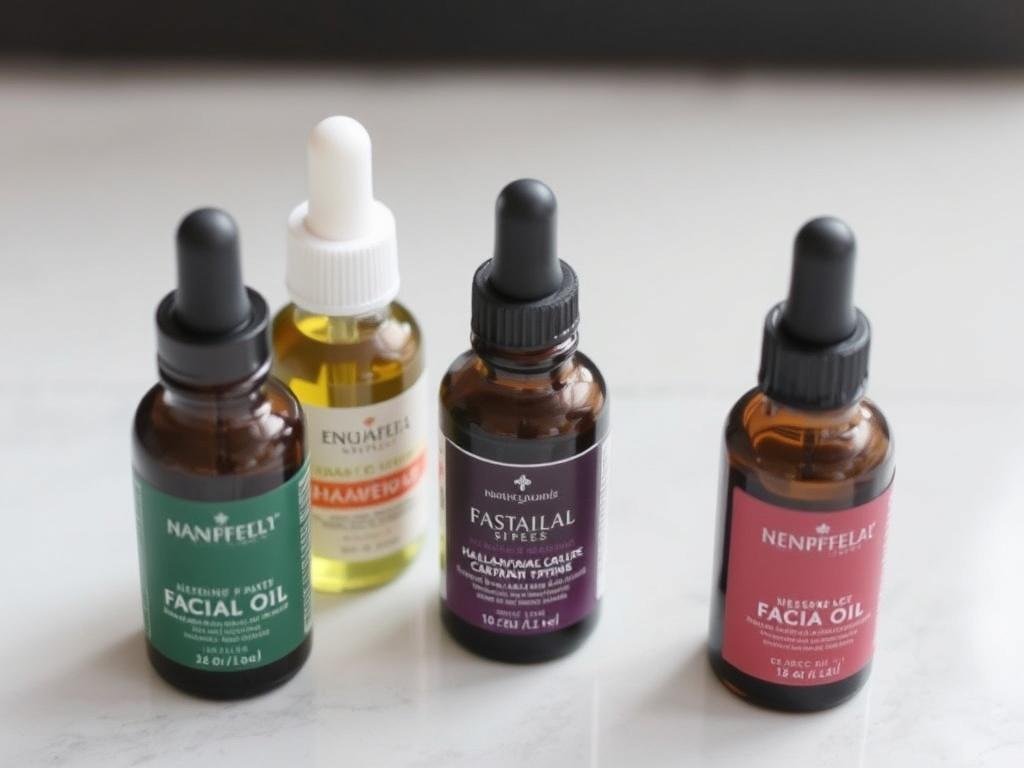
“Gesichtsöle” — a tidy, evocative German word that translates simply to “face oils” — has been popping up on beauty shelves, blogs, and the lips of skincare lovers. If you’re trying to figure out whether a drop or two of oil belongs in your routine, you’re in the right place. This article walks you through the science, the feel, the choices, and the practical steps so you can pick a facial oil that actually helps your skin instead of making it worse.
I’ll explain how different oils behave, which skin types benefit from which oils, how to read labels, how to test for sensitivity, and how to incorporate oils into a real morning and evening routine. Expect clear advice, sensible cautions about essential oils and allergens, and useful recipes if you enjoy blending your own mix. Let’s demystify oils without the hype.
What Exactly Is a Facial Oil?
Facial oils are concentrated plant-derived (or sometimes lab-derived) lipid formulas intended to mimic or complement the skin’s natural oils. They aren’t moisturizers on their own — they don’t add water — but they act as emollients and occlusives, softening the skin’s surface and helping to lock in hydration that a water-based product provides.
Technically, most face oils are a mix of triglycerides (from vegetable oils), fatty acids, and sometimes minor components like tocopherols (vitamin E), sterols, and antioxidants. The composition determines their texture, how quickly they absorb, and whether they’re more likely to clog pores. Knowing a little chemistry goes a long way toward understanding why one oil soaks in and another sits on your skin like a sheen.
Carrier Oils vs. Essential Oils
Two terms you’ll often see together are carrier oils and essential oils. Carrier oils (jojoba, almond, rosehip, etc.) provide the fatty base — they dilute essential oils and deliver nourishing lipids. Essential oils are aromatic, highly concentrated plant extracts (lavender, lemon, tea tree) used for scent and purported therapeutic benefits. Essential oils must be used sparingly and carefully because they can irritate or sensitize skin.
Comedogenicity and How It Matters
Comedogenicity refers to the likelihood an oil will clog pores and cause comedones (blackheads/whiteheads). It’s not a perfect measure — individual skin responses vary — but as a rule of thumb, people prone to acne or congested skin should avoid oils with higher comedogenic ratings and favor lightweight, non-comedogenic options like jojoba, grapeseed, or hemp seed oil.
A Short History: Why Oils Belong in Skincare
Human beings have used oils on skin for millennia. Ancient Egyptian, Greek, and Ayurvedic texts describe herbal and oil-based preparations for moisturizing, massaging, and ritual use. Oils were the original moisturizers before emulsified creams were invented. Modern chemistry gave us creams and gels, but oils were never truly replaced — they returned as favored finishing products and targeted treatments as formulation science learned how to combine water-based actives with lipid layers responsibly.
Today’s facial oils are informed by tradition and refined by lab testing. That means you can choose a formulation that honors craft — like cold-pressed, single-origin oils — or a blend crafted for stability and shelf-life. Both have value if you understand what you’re buying.
Understanding Your Skin Type: The Key to Choosing an Oil
Before you pick an oil, identify your skin’s baseline: is it oily, dry, combination, sensitive, acne-prone, or mature? Skin type influences how an oil performs. Oils won’t magically change your skin type, but the right oil can balance sebum, add missing fatty acids, and improve barrier function. The wrong one can feel heavy and exacerbate breakouts.
Oily Skin
Oily skin often feels greasy by midday, has visible pores, and can break out. It sounds counterintuitive, but many people with oily skin benefit from facial oils. Lightweight, fast-absorbing oils can signal your skin to reduce sebum production and help stabilize the barrier, which sometimes reduces oiliness over time.
Look for non-comedogenic, thin oils that mimic sebum: jojoba oil is chemically close to human sebum and is a popular choice. Grapeseed oil is light and often recommended for oily or acne-prone skin. Squalane (a stable, hydrogenated derivative of squalene) is also excellent — it’s lightweight, fast-absorbing, and suited for balancing oil without clogging pores.
Dry Skin
Dry skin lacks lipids and often has a compromised barrier. For dry faces, richer oils with higher concentrations of essential fatty acids and occlusive properties work well. Argan oil, marula oil, and rosehip oil bring nourishing fatty acids and antioxidants to help restore suppleness. Oils rich in linoleic acid (like sunflower high-linoleic varieties) support barrier repair, while heavier oils (olive, avocado) create a protective seal to prevent moisture loss.
When your skin is dry, facial oils are best layered over a water-based hydrating serum or moisturizer. Oil on its own can leave your skin feeling nourished but not hydrated because it can’t add water to the skin — only hold it in.
Combination Skin
Combination skin needs a nuanced approach: heavier products on dry patches, lighter ones where pores are larger and oilier. You can mix oils or use a single oil in small amounts, focusing the richer drops on cheeks and jawline and applying a lighter option on the T-zone.
Blends that include a balance of oleic and linoleic acids tend to work well for combination skin. An everyday strategy is to keep a jojoba or squalane bottle in the morning for minimal coverage and a richer oil at night for repair.
Sensitive Skin
Sensitive skin reacts to fragrance, essential oils, and certain plant compounds. Simple, single-ingredient oils with low irritant potential are safest. Calendula-infused oils, jojoba, and fractionated coconut oil (for non-acne-prone sensitive types) are mild options. Patch testing is essential: put a bit of oil behind your ear or on your inner forearm for 48–72 hours before applying it to your face.
Remember that natural doesn’t always mean gentle. Essential oils like peppermint or citrus can provoke allergic reactions. If your skin scars or forms rosacea-like flushing, consult a dermatologist before experimenting with active plant extracts.
Acne-Prone Skin
Acne-prone skin needs anti-inflammatory, non-comedogenic picks. Hemp seed oil has a favorable fatty acid profile with anti-inflammatory properties; tea tree oil has antimicrobial effects but should only be used diluted. Rosehip oil supports post-acne healing because it contains vitamin A derivatives and linoleic acid, but pure rosehip can be a little richer — test first.
In many cases, the best course is to complement acne treatments (topical retinoids, benzoyl peroxide, salicylic acid) with a lightweight oil like squalane or grapeseed that calms and prevents barrier disruption while avoiding pore-clogging oils like coconut oil.
Mature Skin
Mature skin benefits from oils rich in antioxidants and essential fatty acids that support elasticity and reduce transepidermal water loss. Rosehip seed oil is prized for its vitamin A and carotenoid content. Marula oil and argan oil provide fatty acids plus antioxidants that help soften fine lines. Oils alone won’t erase wrinkles, but used alongside retinoids and sunscreens, they support resilience and glow.
How to Read an Oil’s Label
The label tells you a lot if you know what to look for. A simple ingredient list is a good sign — fewer, high-quality ingredients usually mean fewer irritants. Look for the botanical name (Prunus amygdalus for sweet almond, for example) to be sure you’re getting the right oil. Watch out for unspecified “fragrance” or long lists of chemical names that may indicate synthetic additives.
Cold-pressed or cold-pressed and unrefined indicates minimal processing and higher retention of minor nutrients (vitamins and antioxidants). That can be beneficial but sometimes reduces shelf-life. Refined oils are filtered and heat-treated to remove color and odor, which improves stability and reduces scent but can also strip some beneficial compounds.
Expiration, Oxidation, and Packaging
Oils oxidize — exposure to light, heat, and oxygen degrades them and can produce off smells and skin-irritating byproducts. Dark glass bottles, airless pumps, and opaque tubes slow oxidation. Check for a “best by” date or batch number. Vitamin E (tocopherol) is sometimes added to extend shelf-life; it’s harmless for most people and helps protect the oil.
Store oils away from direct sunlight and heat. If an oil smells rancid (a sour, sharp, or putrid scent), don’t use it. Rancid oils can cause irritation and sensitization.
Common Facial Oils — What Each Does
Here’s a practical table summarizing the most commonly used facial oils, their typical fatty acid profiles, comedogenic tendencies, and best uses. Use this as a quick reference when choosing or blending.
| Oil | Main Fatty Acids | Comedogenic Rating (approx.) | Best For | Cautions |
|---|---|---|---|---|
| Jojoba (Simmondsia chinensis) | Wax esters similar to sebum | 0–2 | Oily, combination, sensitive | Rare allergies; generally very tolerant |
| Argan (Argania spinosa) | Oleic & linoleic acids; vitamin E | 0–2 | Dry, mature, normal | May feel slightly heavy on very oily skin |
| Rosehip (Rosa rubiginosa) | Linoleic & linolenic acids; provitamin A | 1–2 | Post-acne scarring, mature, dry | Can be photosensitizing in some forms; avoid if highly acne-prone |
| Marula (Sclerocarya birrea) | Oleic acid rich; antioxidants | 0–2 | Dry, mature, sensitive | Expensive; some formulas blended |
| Squalane (from olives or sugarcane) | Hydrogenated squalene derivative | 0 | Oily, acne-prone, sensitive | Very stable and non-irritating |
| Grapeseed (Vitis vinifera) | Linoleic acid high | 0–1 | Oily, acne-prone, combination | Less stable (oxidizes faster) unless properly stored |
| Hemp Seed (Cannabis sativa) | High linoleic & gamma-linolenic acids | 0 | Oily, acne-prone, inflamed | Non-psychoactive; watch for label confusion |
| Coconut (Cocos nucifera) | Lauric acid (saturated) | 4–5 | Body (hair & skin) for non-acne-prone | Clogs pores for many; avoid on acne-prone face |
| Sweet Almond (Prunus amygdalus) | Oleic & linoleic acids | 2 | Dry, sensitive, under-eye care | Avoid if nut allergy present |
| Castor (Ricinus communis) | Ricinoleic acid (very viscous) | 1–3 | Lash/eyebrow conditioning; spot treatments | Very thick — use diluted; can be sticky |
| Sunflower (Helianthus annuus) | High linoleic (if high-linoleic oil) | 0–2 | Normal to dry; barrier repair | Choose high-linoleic variants for acne-prone skin |
| Evening Primrose (Oenothera biennis) | Gamma-linolenic acid (GLA) | 0–2 | Inflammatory or hormonal skin issues | Can be pricey; consult for severe eczema/conditions |
| Tamanu (Calophyllum inophyllum) | Omega-9 & delta-tocotrienols | 0–2 | Scar reduction, wound-healing support | Strong scent; may be too heavy for oily skin |
| Sea Buckthorn (Hippophae rhamnoides) | Omega-7, carotenoids, vitamin C | 1–2 | Repair, brightening, mature skin | Very pigmented; can stain fabrics |
| Olive (Olea europaea) | High oleic acid | 2–3 | Very dry, barrier repair | Can be heavy and pore-clogging for some |
How to Apply Facial Oils: Practical Tips
Application matters as much as the oil you choose. An oil that’s too thick applied to a damp, warm skin surface can sit where it shouldn’t, while a fast-absorbing oil applied in tiny amounts can perform beautifully.
Step-by-Step — Basic Routine
- Cleanse: Start with a gentle cleanser to remove dirt and makeup.
- Tone or Hydrate: If you use a hydrating toner or serum, apply it while the skin is damp. Oils lock in moisture better when the skin is slightly damp.
- Target Treatments: Apply actives like vitamin C, retinoids, or spot treatments as directed (some should go under oils; some over — see product instructions).
- Moisturizer: If you use a cream, apply it now. Alternatively, you can mix a few drops of oil into your moisturizer or apply oil after moisturizer to seal.
- Oil: Warm a drop or two between your palms and press lightly onto the face. Avoid rubbing vigorously. Focus on dry areas or where you want nourishment.
- Sunscreen (AM only): If you apply oil in the morning, sunscreen goes on last. Some oils can change how sunscreen sits, so allow both to absorb before going outside.
A little goes a long way. Start with one to three drops and increase only if needed. Over-application can sit on the skin rather than absorb, especially with thicker oils.
Techniques: Pressing, Massaging, and Gua Sha
Pressing oils into the skin (patting motions with the fingertips) ensures even distribution and aids absorption. Gentle facial massage increases circulation and helps the oil sink into the skin. Tools like gua sha and facial rollers can be used with oil to reduce friction and support lymphatic drainage — but keep pressure light and stop if you feel pulling or irritation.
Mixing Oils with Other Products
Many people like to mix a drop of facial oil into their moisturizer or foundation for added dewiness. That’s fine, but be mindful of how it affects the product’s texture and sun protection if mixing with sunscreen. For actives like tretinoin or vitamin C, check whether your topical is recommended to go under an oil; often it’s best applied to clean, dry skin before oil.
DIY Blends and Formulations
If you enjoy blending your own oils, you can create targeted mixes for hydration, balancing, or calming. Keep things simple and safe: choose stable carrier oils, use essential oils sparingly, and follow dilution guidelines.
Basic Blending Rules
- Use high-quality cold-pressed carrier oils and store them properly.
- Keep blends clear and simple — 2–4 ingredients are often enough.
- Essential oil dilution: 0.25–1.0% for facial use (that’s 1–6 drops per ounce depending on sensitivity and the essential oil).
- Label your blends with ingredients and date. Discard after 6–12 months depending on the oils used.
- Patch test every new blend for 48–72 hours.
Starter Recipes
Here are safe, beginner-friendly blends. Quantities refer to a 30 ml (1 oz) bottle unless otherwise noted.
For Oily or Acne-Prone Skin (Lightweight, balancing)
- 20 ml Squalane
- 8 ml Grapeseed oil
- 2 ml Hemp seed oil
- Optional: 2 drops of tea tree essential oil (dilution ~0.2% — use only if tolerant and avoid near eyes)
For Dry, Mature Skin (Rich, restorative)
- 15 ml Argan oil
- 10 ml Rosehip seed oil
- 5 ml Marula oil
- Optional: 2 drops frankincense essential oil (0.2%)
For Sensitive or Redness-Prone Skin (Calming)
- 20 ml Jojoba oil
- 8 ml Calendula-infused sunflower oil
- 2 ml Evening primrose oil
These are starting points — adjust based on how your skin responds. Keep a small journal noting changes so you can tweak blends over weeks rather than days.
Essential Oils: Benefits and Risks
Essential oils can smell wonderful and bring antioxidant or antimicrobial properties, but they are concentrated and more likely to irritate. Lavender, tea tree, and chamomile are commonly used for skin; citrus oils (bergamot, lemon) can cause photosensitivity. Always dilute essential oils in a carrier oil and stick to conservative dilutions for facial use.
If you have rosacea, eczema, or chronic sensitivity, avoid essential oils unless advised by a dermatologist. Even frequently touted “gentle” oils can trigger flare-ups in susceptible people.
Common Myths and Mistakes
Let’s clear up a few misunderstandings that lead to unhappy skin and wasted bottles.
Myth: Oils Make Oily Skin Worse
Not necessarily. Lightweight, non-comedogenic oils can calm oil production by supporting the skin’s barrier. If oil is added to a routine without addressing hydration or barrier issues, problems can arise; but oil itself is not the enemy.
Myth: Natural = Safe for Everyone
Many irritants are natural. Essential oils, botanical extracts, and allergens like nuts can provoke reactions. Test and proceed cautiously.
Mistake: Overuse
Heavy-handed application is common. More oil doesn’t equal better results and can create a greasy surface that traps dirt. Start small and increase only if beneficial.
Mistake: Incompatible Pairings
Certain active treatments and oils don’t play nicely. For example, some photosensitizing botanical oils paired with exfoliating acids can increase sun sensitivity. When using strong actives, consult guidelines for layering and timing.
Safety Considerations and Allergies
Patch testing is simple and essential: apply a small amount of product to the inside of your forearm or behind the ear and observe for 48–72 hours. Redness, itching, or prolonged stinging indicates a reaction — do not use the product on your face.
Certain populations should be especially cautious: pregnant and breastfeeding people should consult a physician before using essential oils (some are contraindicated), and those with severe eczema, rosacea, or broken skin should seek professional guidance before adding new oils.
Photosensitizing Oils
Some citrus-derived essential oils (bergamot, bitter orange) and certain carrier oils can increase the skin’s sensitivity to sunlight, raising the risk of burns or hyperpigmentation. Avoid sun exposure after applying photosensitizing oils, or choose non-photosensitizing alternatives.
Botanical Allergies and Nut Allergies
Nut oils like sweet almond, macadamia, and shea are nourishing but should be avoided if you have a nut allergy. Botanical allergies can develop unexpectedly; discontinue use if you see hives, swelling, severe redness, or blistering, and seek medical care for pronounced reactions.
How Oils Interact with Active Ingredients
Facial oils can play well with many active ingredients, but there are some rules to keep skin healthy and avoid interference.
Retinoids
Topical retinoids work best on clean, dry skin and have particular directions from prescribers. Some people apply retinoids, wait 20–30 minutes for absorption, then follow with oil to reduce dryness and irritation. Others mix retinoids with moisturizer to reduce irritation; check your provider’s guidance.
Vitamin C
Vitamin C serums are generally water-based; apply them before oil to allow proper absorption. Oils can slow down penetration if applied first. If your vitamin C is oil-soluble (rare), follow manufacturer instructions.
Hydroxy Acids (AHAs/BHAs)
Acids exfoliate and can increase photosensitivity. Use oils as a follow-up hydrating and protective layer, but be mindful of sun protection. Don’t layer photosensitizing plant extracts on the same night as strong chemical exfoliation unless you know how your skin will react.
Choosing Between Single Oils and Blends
Single oils help you learn your skin’s direct reaction to a specific ingredient, which is valuable when troubleshooting. Blends can be designed to balance absorption, scent, and therapeutic properties. If you’re new to face oils, try one single oil first for a few weeks to see how your skin responds; then experiment with blends.
Special Topics: Eye Area, Lashes, and Scalp Uses
Facial oils can serve multiple roles beyond the cheeks. For the eye area, lighter oils such as squalane or sweet almond (if you’re not allergic) are commonly used in very small amounts to soften and reduce fine-line appearance. Castor oil is frequently used for lash conditioning, but it’s thick and sticky — dilute it with a lighter carrier and avoid contact with the eye itself.
Some oils are safe to use on the scalp to condition hair ends or soothe dryness. Coconut and castor oils are long-used hair treatments, but remember facial-grade purity and patch testing for compatibility.
Ingredient Glossary: What to Recognize on Labels
Here’s a compact glossary of botanical ingredient names commonly seen on facial oil labels. Knowing botanical names helps you avoid confusion and check for allergens.
- Argania spinosa — Argan oil
- Rosa rubiginosa / Rosa canina — Rosehip seed oil
- Simmondsia chinensis — Jojoba oil
- Vitis vinifera — Grapeseed oil
- Cannabis sativa sativa — Hemp seed oil (non-psychoactive)
- Cocos nucifera — Coconut oil
- Helianthus annuus — Sunflower oil
- Olea europaea — Olive oil
- Oenothera biennis — Evening primrose oil
- Sclerocarya birrea — Marula oil
- Calophyllum inophyllum — Tamanu oil
- Hippophae rhamnoides — Sea buckthorn oil
Environmental and Ethical Considerations
Choosing oils isn’t only a skin decision — it’s an environmental one. Palm oil derivatives, unsustainable harvesting, and exploitative labor practices exist in the supply chains of some botanical products. Look for responsibly sourced, certified-organic, or fair-trade labels where possible, and prefer brands that publish sourcing and sustainability reports.
Packaging matters too. Dark glass bottles and recyclable materials help preserve oil integrity and reduce environmental impact. Small-batch producers often have transparent practices, but check reviews and certifications to ensure claims hold up.
Budgeting: Expensive vs. Affordable Oils
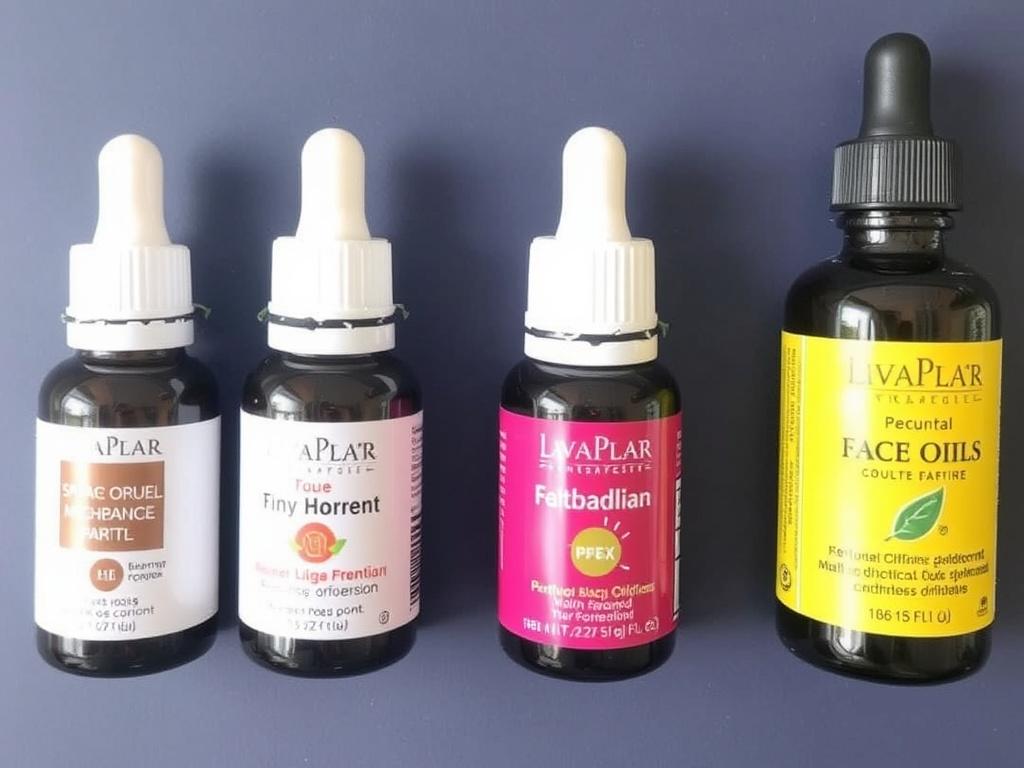
Price doesn’t always equate to effectiveness. Some luxury oils are wonderful sensory experiences but act similarly to more affordable options. Jojoba, squalane, and grapeseed can be cost-effective and highly functional. Reserve pricier single-origin oils like certain marulas or specialized cold-pressed rosehips for when their unique nutrient profile specifically benefits your skin or when you simply enjoy that texture and scent.
A practical approach: buy a small bottle of an expensive oil to test, or purchase sample sizes where available. Many brands sell travel or sample sets that let you experiment without committing to a full-size bottle.
Routine Examples: Day and Night Plans by Skin Type
Below are suggested routines incorporating oils for each skin type. Use these as templates and customize for personal preferences and ingredient compatibilities.
Oily/Acne-Prone Morning Routine
- Foaming or gel cleanser
- Light hydrating toner (optional)
- Antioxidant serum (vitamin C) if used
- 2 drops squalane pressed into skin
- Broad-spectrum sunscreen
Oily/Acne-Prone Night Routine
- Double cleanse if wearing makeup (oil-cleanse with a non-comedogenic oil, then a gentle cleanser)
- Treatment products (BHA or prescription topicals)
- Apply 1–2 drops of jojoba or hemp seed oil to areas that need moisture
Dry Skin Morning Routine
- Gentle hydrating cleanser
- Hyaluronic acid serum on damp skin
- Light moisturizer
- 2–3 drops argan or marula oil pressed in
- Sunscreen
Dry Skin Night Routine
- Hydrating cleanser
- Nourishing serum (ceramides or peptides)
- Rich cream
- 2–4 drops rosehip or marula oil to seal
Sensitive Skin Routine
- Mild, fragrance-free cleanser
- Soothing serum with niacinamide or panthenol
- Light moisturizer
- 1–2 drops jojoba or calendula-infused oil
Troubleshooting: What to Do if Your Oil Causes Problems
If your skin reacts with minor redness or tightness, discontinue use and allow the skin to calm for several days. Use a basic, soothing routine of gentle cleanser, barrier-repair moisturizer (look for ceramides and peptides), and avoid active ingredients until the skin normalizes.
If you develop pustules, severe irritation, or spreading rash, stop all new products immediately and seek medical attention if symptoms are severe. Document the product name and ingredients for your provider.
Frequently Asked Questions (FAQ)
Will facial oil make my pores bigger?
Oils themselves don’t permanently enlarge pores. Excessive oil on the skin can trap debris and make pores look more pronounced. Using non-comedogenic oil sparingly and maintaining a good cleansing routine helps pores look smaller and cleaner.
Can I use facial oil under makeup?
Yes. Apply oil sparingly, allow it to absorb, then apply primer and makeup. Some oils can make foundation slide, so test with a small amount and observe how your makeup adheres throughout the day.
How often should I use a facial oil?
Daily use is fine for many people, usually at night when skin repairs. For oily skin, alternate nights or use as needed. Pay attention to how your skin responds over weeks rather than changing frequency day-to-day.
Are facial oils suitable for teens?
Teens can use light, non-comedogenic oils like jojoba or squalane to manage dryness and oil balance, especially if acne treatments are drying the skin. Avoid heavy, pore-clogging oils and check for allergies.
Do facial oils expire?
Yes. Most oils have a shelf-life between 6 and 24 months depending on processing, antioxidants added, and storage. Rancid oils smell off and should be discarded.
Case Studies: Realistic Examples
Here are three quick, real-world scenarios illustrating how different people might choose and use facial oils.
Case 1 — Emma, 24, Acne-Prone
Emma uses salicylic acid treatments and finds her cheeks become dry while her T-zone remains oily. She introduces a squalane oil at night, one drop pressed into the cheeks after serum. Over six weeks, redness diminished and flakiness eased without new breakouts. She keeps jojoba on hand to target flaky spots and avoids coconut oil entirely.
Case 2 — Javier, 38, Mature and Dehydrated
Javier’s skin lacks radiance and shows fine lines. He begins a nightly routine with hyaluronic serum, peptide moisturizer, and two drops of rosehip mixed with marula oil. After three months, his skin looks plumper and more even in tone. He uses sunscreen daily to protect results and rotates in retinoid treatment under physician guidance.
Case 3 — Aisha, 31, Sensitive with Rosacea
Aisha cannot tolerate fragrances or citrus. She chooses a calendula-infused sunflower oil and uses it only at night, after a minimal, soothing routine. She avoids essential oils entirely. The calendula oil helps reduce irritation and supports barrier repair without triggering flare-ups.
Buying Guide: How to Choose a Good Facial Oil
When shopping, focus on three things: quality of ingredients, transparency of the brand, and suitability for your skin type.
Quality: Cold-pressed, single-origin, and minimal processing preserve beneficial compounds. That said, refined oils are still effective for many purposes and often less expensive.
Transparency: Brands that list botanical names, batch codes, and sourcing information tend to be trustworthy. Avoid brands that use vague marketing without ingredient clarity.
Suitability: Match the oil’s fatty acid profile and comedogenic rating to your skin type. Use the table above as a reference.
Where to Buy and What to Avoid
Buy from reputable retailers, direct from brands with clear ingredient lists, or specialty stores that provide samples. Avoid buying oils that are poorly packaged (clear plastic, no airtight cap), and be cautious with counterfeit beauty products sold at suspiciously low prices on third-party marketplaces.
Summary Checklist: Choosing the Right Facials Oil for You
- Identify your skin type and concerns first.
- Choose non-comedogenic, lightweight oils for oily and acne-prone skin (squalane, jojoba, grapeseed).
- Choose richer oils with antioxidants and essential fatty acids for dry and mature skin (argan, marula, rosehip).
- Patch test every new oil or blend for 48–72 hours.
- Store oils in dark glass, cool places; discard if rancid.
- Use oils to seal hydration — apply after water-based serums or creams.
- Use essential oils sparingly and avoid photosensitizing oils before sun exposure.
- If you have severe or persistent skin issues, consult a dermatologist before adding new oils.
Final Thoughts
Facial oils are flexible tools: they can soften, support barrier repair, add glow, and even help balance oil production. The most effective oil for you depends on your skin’s needs, the oil’s composition, and how you incorporate it into a consistent routine. Start small, keep your expectations realistic, and remember that oils are part of a broader skincare system that includes cleansing, hydration, sun protection, and, if needed, targeted medical treatments.
If you’re curious, pick one low-risk oil like jojoba or squalane and try it for a month. Observe how your skin responds. If things go well, experiment with blends or richer oils for targeted benefits. With thoughtful selection and mindful use, facial oils can be an elegant, effective part of a healthy skincare routine — whether you call them Gesichtsöle or simply your nightly glow drops.