SQLITE NOT INSTALLED
Facial rollers and gua sha stones have conquered bathroom counters and Instagram feeds alike. Sleek stones, glimmering rollers, and promises of sculpted cheekbones and depuffed eyes make a compelling picture. But behind the glossy videos and influencer endorsements sits a jumble of tradition, plausible physiology, and marketing. This article takes a long, curious look at both tools: where they come from, what they actually do to skin and tissue, what science can and cannot say, and how to use them safely so you get benefits without bruises or disappointment.
I’ll walk you through history, mechanics, practical technique, risks, product choices, and realistic expectations. You’ll find comparisons, routines you can try at home, lists of dos and don’ts, and a simple table that lays out the differences between rollers, gua sha, and other facial tools. Read on if you want to know whether these gadgets are worth your time and money, or whether they are mostly a feel-good ritual with limited physical effect.
Origins and cultural roots
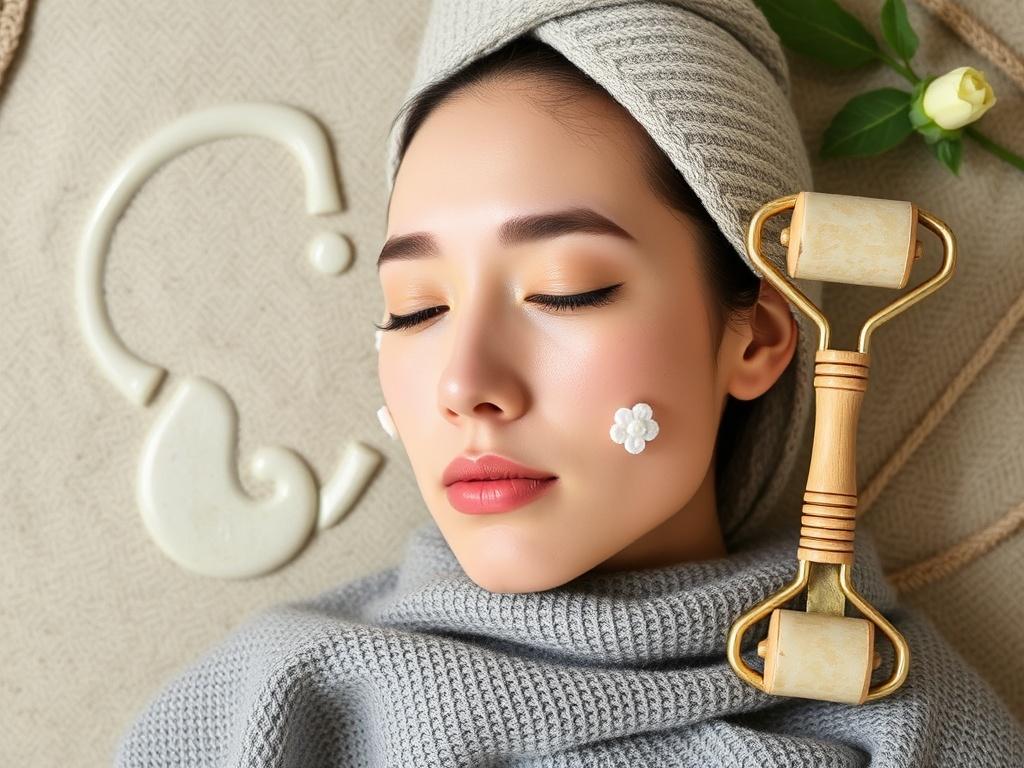
Gua sha and facial massage are not modern inventions. Their roots lie in traditional East Asian practices of manipulating the skin and underlying tissues to relieve pain, release stagnation, and move fluid. Gua sha, in its broader medical form, is a technique in traditional Chinese medicine that uses repeated pressure or scraping on the skin to stimulate circulation in the muscles and the superficial blood vessels. Historically, practitioners used ceramic spoons, buffalo horn, or polished stones to perform this scraping on larger areas of the body.
The facialized versions—smaller tools aimed at the face—are adaptations of those broader techniques, scaled down and refined to be gentler. Facial rollers, notably jade rollers, have similarly long cultural associations. In some places, smooth stones were used to cool swollen areas and create a sense of calm. Over the last decade these tools have been reframed through the lens of modern beauty: promoted for contouring, de-puffing, and improving product absorption. That reframing blends cultural memory, closeness to tradition, and contemporary aesthetics.
It’s important to separate the historical, therapeutic context from modern beauty claims. Traditional scraping techniques for the back or shoulders were often used to treat pain or fever, for example. These were clinical applications with known risks and specific goals. The facial toolkit that’s popular today borrows the names and the tactile language, but its goals—smoother skin, less puffiness, sculpted jawline—are different. The cultural continuity is intriguing, but it doesn’t automatically validate every modern claim about sculpting or long-term antiaging effects.
How traditions became beauty trends
Social media accelerated the adoption of facial tools by turning private routines into public performances. A short, hypnotic video of someone gliding a cool stone along their jawline is visually persuasive, and the ritualistic aspect—setting a few minutes aside to massage the face—resonates with people who want a small, daily act of care. Brands recognized this and produced polished content, packaging, and celebrity endorsements that reframed these age-old tools into lifestyle accessories.
That cultural shift—traditional remedy to beauty ritual—matters for how we evaluate their efficacy. Some benefits come from ritual and intention: a deliberate self-care practice can reduce stress and cortisol levels indirectly improving skin appearance. Other claimed benefits require specific physiological effects to be proven. So while tradition gives context and a human story, it’s not a replacement for careful, modern evaluation.
What are facial rollers and gua sha? Materials, shapes, and designs
At first glance, facial rollers and gua sha tools look like simple, inanimate objects: a smooth stone on a handle, or a flat, curved tool. Those details—shape, edge, weight, and material—define how they behave on skin. Rollers typically have a handle with one or two stone heads at the ends; gua sha tools are handheld scrapers with rounded edges and notches for fitting around facial contours.
Materials vary. Jade and rose quartz are common in beauty markets, chosen for their color and perceived luxury. Other tools are made from stainless steel, bamboo, or even engineered plastics. Each material has different thermal properties and hygienic considerations. For instance, metal retains cold more readily (useful for depuffing), while porous stones require more careful cleaning. The difference in material sometimes leads to claims about “energetic” properties—claims that sit outside scientific verification. Practically, material choice matters more for feel, durability, and cleanliness than for mystical effects.
Common shapes and what they’re for
Designers tune the contours of rollers and gua sha tools to fit facial anatomy. Rollers often have a small head for the under-eye area and a larger head for cheeks and forehead. Gua sha tools come in a variety of curves: some have a gentle arch to hug the jawline, others sport a scooped edge to cup under the eye, and still others have a pointed tip for precision work. The basic idea is to follow facial planes while maintaining light, consistent pressure.
Small differences in edge radius and tool angle change how pressure is distributed. A broad, rounded gua sha edge will move fluid and gently lift tissue; a sharper edge concentrates pressure and can be better for releasing muscle tension but also increases risk of bruising if used aggressively. Learning these subtleties is part of getting predictable results without damaging the skin.
How they are supposed to work: plausible mechanisms
Several plausible physical mechanisms might explain why people see changes after rolling or gua sha. Most of these mechanisms are short-term, mechanical, or circulatory rather than structural or permanent. When you massage the face with a smooth object, you can affect blood flow, lymphatic drainage, and muscle tone in subtle ways. You also apply mechanical stimulation to sensory nerves, which can alter perception and produce relaxation.
First, increased microcirculation. Stroking or scraping the skin stimulates small superficial blood vessels. That can temporarily increase blood flow to the area, producing a rosier color and a fresh look. This is a short-lived change: once the mechanical stimulus stops, the circulation typically normalizes. Second, lymphatic drainage. Gentle sweeping motions directed toward lymphatic channels—downward toward the collarbone, for instance—may help move interstitial fluid and reduce puffiness, especially in the under-eye area where fluid can pool.
Third, myofascial release and muscle relaxation. Repetitive, targeted scraping or rolling can warm tissue and reduce tightness in facial muscles. Looser muscles can change how light falls on the face, producing a subtle softening of features and a feeling of relief. Fourth, the cooling effect. Stones and metal givers retain temperature differently; applied cold temporarily constricts blood vessels and reduces puffiness. Finally, sensory modulation and placebo. The tactile sensation of care and self-manipulation triggers parasympathetic responses: breathing slows, tension decreases, and the mind relaxes. That alone can improve the perceived condition of skin.
What these mechanisms do not magically produce
It’s worth saying plainly what massage and scraping cannot do: they don’t permanently change bone structure, melt away fat deposits, or erase deep wrinkles overnight. Any claim that a roller or gua sha will remodel bone or produce lasting, surgical-like contouring should be viewed skeptically. What these tools can do—when used properly—are temporary improvements in circulation and fluid balance, temporary smoothing of skin surface via relaxed muscles, and consistent benefits from a calming daily routine.
What the scientific evidence says
Research on facial rollers and gua sha specifically is limited. There are studies on massage and soft-tissue manipulation more broadly, and a few small studies look at facial scraping or lymphatic drainage massage. Overall, the evidence supports short-term benefits—reduced puffiness, improved skin blood flow, and subjective reports of relaxation—but it does not show dramatic, lasting structural changes from rolling or scraping alone.
Some small, controlled trials and observational studies suggest gua sha increases local microcirculation and can relieve muscle pain when applied to larger body areas. But translating those findings to cosmetic facial outcomes requires caution. Clinical endpoints like long-term wrinkle reduction, collagen synthesis, or significant facial remodeling have not been robustly demonstrated in high-quality randomized controlled trials. In plain terms: there is plausible physiology and promising small-scale data, but not sweeping scientific proof of major, permanent cosmetic transformations.
Another point is that outcome measures vary. Studies that measure visible skin colour, blood flow, or objective swelling often find measurable, short-lived changes after massage. Studies that try to measure longer-term structural outcomes—skin elasticity over months or collagen content—are inconclusive or underpowered. A wise approach is to take reasonable, immediate claims at face value but treat long-term transformative claims as unproven until stronger evidence appears.
Why scientific studies are hard in this area
Several methodological challenges make large, definitive studies difficult. Blinding is hard: participants can feel whether they’re being massaged, making placebo controls less convincing. Standardizing pressure, tool angle, and practitioner skill across many participants is also challenging. Finally, cosmetic outcomes are partly subjective; how someone feels about their skin after a relaxing ritual matters, but it complicates objective comparisons. These constraints don’t negate the usefulness of studies, but they help explain why the evidence base is still small.
Benefits people commonly report
Users often highlight a handful of consistent benefits. Many report reduced under-eye puffiness after a cold roll or gentle gua sha sweep. Others say their faces feel lifted and sculpted—something between a temporary contouring and a subjective sense of tightness. Many appreciate improved product absorption: applying serum before massaging can help spread product evenly and feel like deeper penetration.
Beyond purely physical effects, emotional and sensory benefits are significant. A few minutes of mindful touch can act as mini-meditation: breathing slows, stress recedes, and skin looks better as a consequence of lower systemic stress hormones. For some people, the ritual itself is the primary benefit: it creates a predictable pause in a busy day and fosters consistent skin care practices.
Finally, some report long-term improvements in skin texture when gua sha or massage is performed regularly as part of an integrated routine. Whether this is a direct physiological change or the result of better sleep, less stress, and healthier habits is hard to untangle. Still, the combination of immediate visual improvement and an enjoyable ritual makes these tools appealing to many.
Short-term vs long-term benefits
Short-term: increased blood flow, decreased puffiness, more radiance, relaxed facial muscles, and a fresher look. Long-term: possible modest improvements in skin tone and texture if massage becomes part of a consistent routine that also includes sunscreen, hydration, sleep, and a sound skincare regimen. The main takeaway: immediate improvements are common and plausible; major long-term structural change is unlikely from tools alone.
Potential risks and when to avoid them
Facial massage tools are generally low risk when used gently, but they’re not risk-free. Overuse or aggressive technique can cause bruising, broken capillaries, and irritation, especially on thin, sensitive, or inflamed skin. People with rosacea, broken skin, active acne, or certain vascular conditions should be cautious, because scraping or rolling can aggravate inflammation and cause more visible redness.
People taking blood-thinning medications or with clotting disorders should avoid aggressive gua sha or heavy pressure, since superficial bleeding and bruises are more likely. Similarly, if you have recent facial surgery, injectable fillers, or laser treatments, follow your clinician’s guidance before resuming any scraping or rolling—these interventions change tissue fragility and healing dynamics.
Hygiene is another area of risk. Porous stone tools require careful cleaning to prevent bacterial growth. Reusing a contaminated tool on broken skin could lead to infection. Gentle cleaning with soap and water, or a mild disinfectant depending on the material, keeps tools safe for regular use. If any irritation, increasing redness, or persistent bruising occurs, stop using the tool and consult a healthcare provider.
Special cautions for sensitive conditions
If you have severe acne, eczema, psoriasis, or vascular skin conditions, avoid scraping and vigorous rolling in affected areas. Your clinician can advise whether light lymphatic sweeps around but not through active inflammation are acceptable. For pregnant people, the practice is generally safe, but use light pressure; if you have pregnancy-related conditions that affect circulation, consult your provider first.
How to use facial rollers and gua sha correctly
Technique matters. A tool is only as useful as the hands that guide it. Good technique prioritizes directionality (toward lymphatic drains), gentle pressure, and consistent, controlled strokes. Below are two step-by-step basic routines—one for rollers and one for gua sha—followed by practical tips and a short list of common errors to avoid.
Roller routine: step-by-step
- Cleanse your face and hands thoroughly to avoid transferring oils or bacteria.
- Apply a lightweight serum or facial oil. This reduces friction and allows the roller to glide smoothly across the skin.
- Start at the neck: roll from the base of the neck upward toward the jawline, using gentle pressure. Repeat each stroke 3–5 times.
- Move to the jawline: roll from the center of the chin outward along the jaw toward the ear.
- Cheeks: roll from the nose outward to the ear, using the larger roller head on broad surfaces.
- Under-eye: switch to the smaller head and gently roll from the inner eye toward the temple. Use minimal pressure here.
- Forehead: roll from the center out to the temples in horizontal sweeps.
- Finish by rolling downward over the neck toward the collarbones to encourage lymphatic flow.
- Clean your roller with mild soap and water and dry it thoroughly before storing.
Keep pressure light. The goal is to stimulate circulation and move fluid, not to compress tissue aggressively. Five to ten minutes is enough for most daily routines.
Gua sha routine: step-by-step
- Cleanse and apply a lubricating serum or oil so the tool glides without pulling the skin.
- Hold the gua sha at roughly a 15–30 degree angle to the skin so the edge contacts the surface without digging in.
- Neck: sweep downward from the jawline to the collarbone to move lymphatic fluid.
- Jawline: use the curved edge from chin toward the ear with steady, even pressure.
- Cheeks: sweep from the nose outward and upward toward the ears and temples.
- Under-eye and brow: very gently use a scooped edge to glide from the inner corner toward the temple—one to three light passes only.
- Forehead: sweep from the brow line up to the hairline in soft strokes.
- Finish with longer downward strokes toward the collarbone.
- Clean the tool after use and store it in a clean, dry place.
For gua sha, pressure should still be gentle on the face—firm enough to feel tension release, but not so hard you see red patches or bruises. If you leave red marks that disappear in minutes, that’s typical for mild gua sha; persistent petechiae or bruises indicate too much force.
Common mistakes to avoid
- Using too much pressure, which causes bruising and broken capillaries.
- Dragging the skin without lubrication, which creates friction and irritation.
- Using a porous, unclean tool on compromised skin, increasing infection risk.
- Applying these techniques immediately after invasive skin procedures without medical approval.
- Expecting instant, permanent sculpting from a single session.
Cleaning and caring for your tools
Maintenance is straightforward but essential. Nonporous materials like stainless steel and polished metal can be cleaned with soap and water, then wiped with 70% isopropyl alcohol for extra disinfection. Porous stones, such as some types of quartz or jade, need gentler care: wash with soap and water, avoid harsh chemicals that can damage the stone, and dry thoroughly. Replace or deeply sanitize tools if they develop chips, deep scratches, or discoloration.
Storing tools in a cool, dry place prevents bacterial buildup. Some people like to keep rollers or stones in the refrigerator for a cooling effect; that’s safe for nonporous materials and can enhance the depuffing sensation. If you do refrigerate a stone, make sure condensation doesn’t produce moisture that fosters mold or bacterial growth in packaging.
Materials and myths: jade, rose quartz, metal, and “energy healing”
Jade and rose quartz are the most prominent stones in beauty marketing, partly due to their colors and cultural associations. Jade has historical cultural significance in some East Asian contexts, and rose quartz’s soft pink evokes romance and calm. These aesthetic and cultural resonances help explain their popularity. From a strictly physical standpoint, stone choice affects thermal retention, weight, and porosity, which in turn influence user experience and hygiene.
Claims that certain stones emit specific energies or heal in metaphysical ways fall outside the realm of reproducible science. If those beliefs are meaningful to you as part of a ritual or personal practice, that subjective value is real—just keep the distinction clear between subjective spiritual benefit and measurable physiological effect. Practically, choose materials based on how they feel, how easy they are to clean, and how they fit your budget and values.
Practical comparison of common materials
| Material | Pros | Cons | Care Notes |
|---|---|---|---|
| Jade | Cool feel, traditional appearance, moderate weight | Can be porous depending on quality; myths about energy | Wash with mild soap; dry thoroughly; avoid harsh chemicals |
| Rose quartz | Attractive color, smooth texture | Potentially porous; usually more fragile | Clean gently; avoid dropping or exposing to hard impacts |
| Stainless steel | Nonporous, hygienic, retains cold well | Less “luxurious” appearance; can feel heavier | Easy to disinfect; suitable for refrigeration |
| Plastic/Resin | Inexpensive, lightweight, easy to shape | Feels less premium; may not retain cold | Clean regularly; avoid porous, low-quality varieties |
How to choose a product: price, quality, and sustainability
Price ranges widely: inexpensive rollers can cost under $10, while designer, hand-carved stones sell for several hundred. Higher price doesn’t always equal better results. Look for solid craftsmanship, smooth, nonchipped edges on gua sha tools, and rollers with secure attachments and smooth, even rotation. If a tool rattles, sticks, or has rough seams, it will irritate skin.
Consider sustainability and sourcing. Some gemstones are mined under poor labor and environmental conditions. If those factors matter to you, research brands that share sourcing information or offer ethically sourced alternatives. Stainless steel tools offer great longevity and are easier to sanitize, so they may be a practical, sustainable option in the long run.
Buying checklist
- Is the tool solidly made with smooth edges?
- Does the material allow for easy cleaning and disinfection?
- Does the manufacturer provide care instructions and sourcing transparency?
- Does the product feel comfortable in your hand and match the contours of your face?
- Are return policies or guarantees in place if the tool disappoints?
Integrating rollers and gua sha into a skincare routine
When to use these tools matters. A general recommendation is to apply them after cleansing and applying a serum or oil. The lubricant reduces friction and protects the skin barrier. After using a roller or gua sha, finish with a moisturizer to lock in hydration. Use sunscreen if you’re doing morning routines; increased circulation makes skin slightly more responsive to sunlight in the short term, and applying SPF is always a wise habit.
Frequency depends on tolerance: many people use rollers daily for five to ten minutes, while gua sha can be done a few times weekly if pressure is firmer. Start slowly and watch how your skin responds. If you notice persistent redness or broken capillaries, reduce frequency and lighten pressure.
Sample morning routine
- Cleanse face.
- Apply antioxidant serum or lightweight oil.
- Use a chilled roller to de-puff and wake up skin (3–5 minutes).
- Apply moisturizer with SPF.
- Proceed with makeup if desired.
Sample evening routine
- Double-cleanse to remove sunscreen and makeup.
- Apply a hydrating serum or facial oil.
- Do a gua sha session focused on jaw and neck for tension release (5–10 minutes).
- Finish with a richer moisturizer or sleeping mask.
- Store tools cleaned and dry.
Alternatives and DIY approaches
If you don’t own a roller, simple alternatives exist. A frozen spoon can approximate a cold roller for under-eye depuffing. Hands-on facial massage—thumbs and fingers applying gentle upward and outward strokes—can mimic many of the benefits of tools and gives you direct tactile feedback, which helps calibrate pressure.
Microcurrent devices, sonic massagers, and professional manual lymphatic drainage performed by trained therapists offer related benefits but operate through different mechanisms. Microcurrent claims to stimulate facial muscles electrically and may give a temporary lift; professional manual lymphatic drainage follows gentle patterns taught in training and can be particularly effective for swelling reduction. Compare cost, safety, and goals when choosing an approach.
Comparing tools: roller vs gua sha vs hands vs microcurrent
| Tool | Primary effects | Best for | Risks |
|---|---|---|---|
| Facial Roller | Light lymphatic movement, cooling, immediate de-puffing | Quick morning routines, under-eye depuffing | Broken capillaries if used too hard; hygiene concerns |
| Gua Sha | Myofascial release, tension relief, lymphatic movement | Tension in jaw/cheeks, relaxing evening routine | Bruising if too aggressive; not for active inflammation |
| Hands (manual massage) | Direct feedback, muscle manipulation, customized pressure | Daily massage, sensitive skin, precise work | Requires learning technique; can transfer oils/bacteria if hands are unclean |
| Microcurrent | Electrical stimulation of muscles, temporary tone change | People seeking a more “lifted” feel without injections | Not for people with implants or pacemakers; device dependence |
Expert perspectives: what estheticians and dermatologists often say
0
Many skincare professionals appreciate the low-risk, high-pleasure aspects of roller and gua sha routines: they can help people adhere to skincare, reduce tension, and feel better. Dermatologists commonly emphasize moderation and caution against aggressive use on compromised skin. Estheticians may teach specific stroke patterns to maximize lymphatic drainage and muscle release. Both groups often agree: gentle, consistent use is preferable to sporadic, heavy-handed sessions.
Medical professionals also point out that benefits are complementary to, rather than replacements for, evidence-based dermatological care. If a clinician prescribes topical retinoids, laser therapy, or injectable treatments, adding gentle massage may help with circulation and comfort, but it won’t replace those therapies’ specific mechanisms or outcomes.
When to see a professional
If you’re dealing with chronic facial swelling, persistent redness, unexplained bruising, or have recently had cosmetic procedures, consult a dermatologist or licensed esthetician. Professionals can assess whether gentle lymphatic drainage is appropriate, teach proper techniques, and offer combined approaches that are safer and more targeted than DIY scraping.
Real routines: case examples
To make the guidance feel tangible, here are a few case-based routines that fit common goals. Each routine is practical, brief, and adaptable. These aren’t prescriptive medical recommendations but examples of what sensible approaches can look like in daily life.
Case 1: Morning de-puff and wake-up routine (5–7 minutes)
Goal: Reduce eye puffiness, brighten skin for daytime.
- Cleanse and pat skin dry.
- Place roller in the fridge during your shower.
- Apply a light vitamin C serum.
- Use chilled roller under the eyes and along cheeks for 3–4 minutes, moving outward.
- Apply moisturizer with SPF and proceed with makeup.
Why it works: Cold and gentle rolling constrict superficial vessels, reducing transient puffiness; the serum adds a visible glow, and the ritual helps create consistency.
Case 2: Evening stress-relief and jaw tension (10–12 minutes)
Goal: Relieve jaw clenching, improve sleep readiness.
- Cleanse and apply a nourishing facial oil.
- Gently warm the oil between hands, then lay a gua sha tool flat and begin sweeping at the neck toward the collarbone.
- Sweep along the jawline from chin to ear with curved edge, 5–8 passes each side, moderate pressure.
- Use smaller edge lightly along the temples and forehead to release tension.
- Finish with a calming facial spray or moisturizer and a few deep breaths.
Why it works: Addressing myofascial tension can reduce referred pain and create a clear pathway for lymphatic drainage. The ritual also signals bedtime to your nervous system.
Case 3: Sensitivity-aware routine for rosacea-prone skin (gentle)
Goal: Feel cared-for without triggering redness.
- Choose a nonporous stainless steel roller.
- Use minimal pressure and only roll once per day for 3 minutes, focused on the neck and cheeks but avoiding active flare areas.
- Apply calming serum and broad-spectrum SPF each morning.
- If irritation appears, stop and consult your dermatologist.
Why it works: Lighter tools and gentler pressure reduce the risk of aggravation; focusing on neck drainage can still provide benefits without stressing fragile facial capillaries.
Practical tips and troubleshooting
Some people see visible improvements quickly; others need weeks to notice changes. If you’re not seeing expected results, check the basics: are you using enough lubricant, is the pressure too light or too heavy, and are you consistent? Overly aggressive users sometimes mistake temporary redness or visible marks for progress; in reality, those are signs to ease up.
If you experience persistent bruising, scale back frequency, lighten pressure, or consult a professional to ensure technique is correct. If a tool doesn’t feel comfortable in your hand or seems to pull the skin, try a different shape or upgrade to a higher-quality item with a smoother finish. Comfort and consistent, gentle technique beat frequent, forceful sessions every time.
Cost versus value: are these tools worth it?
Whether a facial roller or gua sha tool is “worth it” depends on your goals. If you want immediate, calming rituals and modest, temporary reductions in puffiness or tension, inexpensive tools can deliver value for a small price. If you expect long-term structural changes equivalent to medical treatments, you will be disappointed. Many people find that the ritual itself—setting aside time for self-care—adds disproportionate value relative to the tool’s price.
Think of these tools as amplifiers of care rather than cures. They can enhance a routine you already follow, provide sensory pleasure, and make the mundane act of skincare feel intentional. For many users that combination of practical benefit and emotional payoff justifies the purchase.
Environmental and ethical considerations
0
Gemstone mining has environmental and human rights implications. If sourcing matters to you, prioritize brands that disclose materials and ethical sourcing practices. Stainless steel and other durable, recyclable materials have lower long-term environmental footprints and are easier to sanitize. Avoid fast-fashion beauty gadgets with flimsy parts that break quickly and end up in the trash.
Packaging also matters. Many beauty tools arrive in excessive plastic or velvet pouches. Choose companies that offer minimal, recyclable packaging if sustainability is a priority. Small choices in materials, packaging, and company transparency add up when millions of people buy these products.
Final assessment: Wirkung oder Hype?
Facial rollers and gua sha occupy a middle ground between meaningful short-term effects and overblown long-term claims. Their mechanisms—improved circulation, lymphatic movement, muscle relaxation, and cooling—are real and explain many of the immediate improvements people observe. Ritual and subjective relaxation are important, too; feeling calmer and taking time for yourself has measurable benefits for skin health indirectly.
However, insist on realism. These tools do not permanently remodel bone, erase deep wrinkles, or replace evidence-based dermatological procedures. If you seek dramatic, long-lasting structural change, talk to a licensed professional about proven treatments. If you want a pleasant daily ritual, modest de-puffing, and a way to relieve facial tension, a well-used roller or gua sha is a safe, affordable option—provided you use it gently, keep tools clean, and understand their limits.
In short: not a miracle, but not an empty promise either. With sensible expectations, good technique, and consistent use, you can harvest the real, modest benefits while avoiding the most common pitfalls of hype-driven beauty trends.
Quick reference summary
- Primary benefits: temporary de-puffing, improved circulation, tension relief, and pleasurable ritual.
- Limitations: no permanent facial sculpting or deep wrinkle reversal without additional, evidence-based treatments.
- Risks: bruising, broken capillaries, infection from poor hygiene, and aggravation of active inflammation.
- Best practice: use gentle pressure, lubricate skin, clean tools regularly, and consult a professional for sensitive or complicated skin conditions.
Parting thought
Beauty tools are tools: they amplify technique, intention, and consistency. Treat them as companions to a broader skincare philosophy that includes sun protection, sleep, hydration, and sensible products. If they make you feel better and you use them safely, they’re doing valuable work—even if that work is mostly about comfort and care rather than structural transformation.