SQLITE NOT INSTALLED
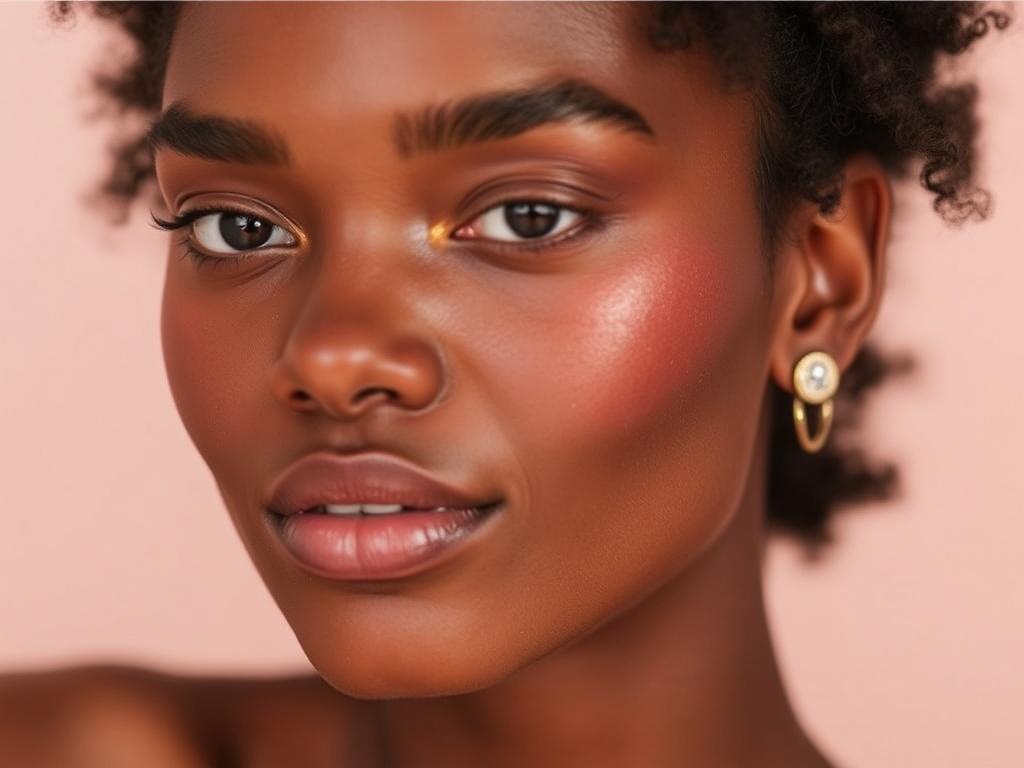
Inclusive beauty isn’t a marketing slogan; it’s a quiet revolution that changes how people see themselves and how the industry treats millions of customers. This conversation goes beyond palettes and packaging. It touches on history, science, identity, commerce and, ultimately, dignity. In this article I’ll walk you through what inclusive beauty really means, why it matters, and how to put it into practice—whether you’re a consumer, a makeup artist, or someone building products. Expect practical guidance on matching foundations, skincare priorities for different skin tones, how formulations behave on melanin-rich skin, a buyer’s checklist for evaluating brands, and the larger cultural forces that shape the beauty aisle.
Why inclusivity matters—more than a trend
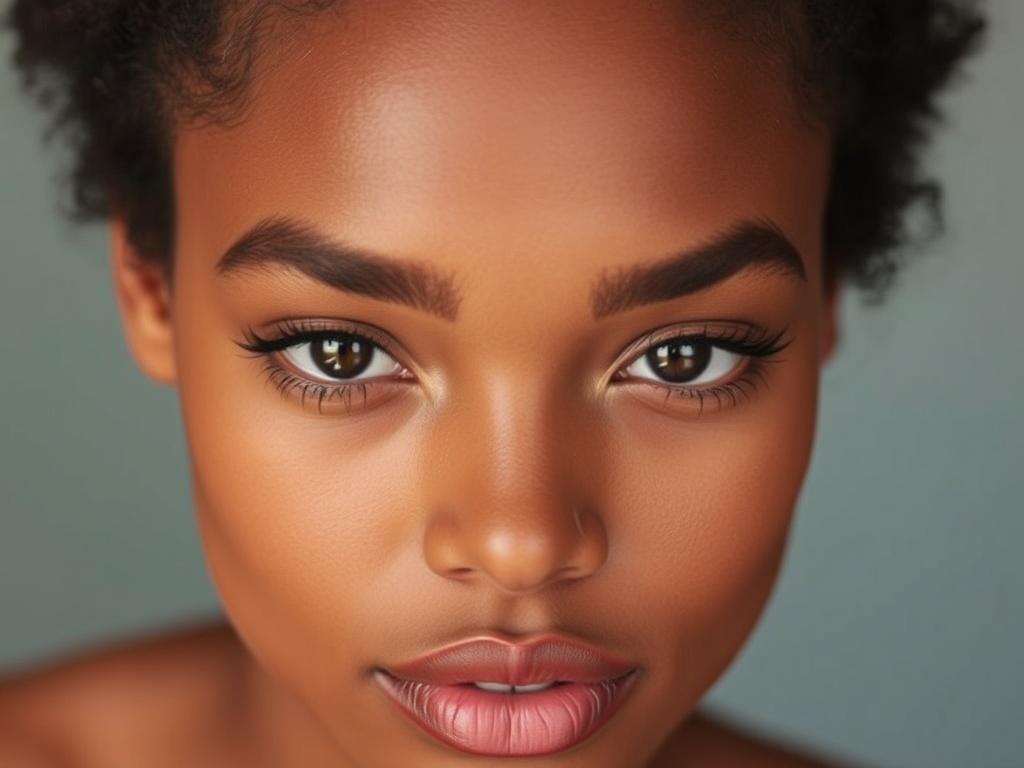
At its simplest, inclusive beauty recognizes that skin comes in many tones and undertones, and that every one of them deserves products that perform well and marketing that represents them honestly. But the real reasons this matters are deeper. Exclusion in beauty contributes to a larger social pattern where certain looks are normalized and others are marginalized. When the people who make beauty decisions—product developers, photographers, and ad agencies—operate inside a narrow frame of reference, the result is products that don’t work for many customers and advertising that erases them.
Inclusivity corrects that imbalance. It’s not only about selling more shades of foundation; it’s about designing product formulas that account for different skin behaviors, packaging that respects varied hair textures and skin sensitivities, and imagery that reflects real life. The commercial payoff is obvious: brands that solve real problems for more people build loyalty. The moral payoff is just as clear: people feel seen, respected and able to participate fully in a cultural conversation about beauty.
A brief history: How the industry reached this moment
Beauty industries around the world were shaped by histories of colonialism, color preferences, and commercial incentives that favored lighter skin. For decades many mass-market beauty brands produced limited shade ranges and promoted a narrow aesthetic ideal. Skin-lightening creams thrived in many regions, demonstrating that beauty products can be a vehicle for harmful cultural pressures as much as for self-care.
The 21st century brought several inflection points. Globalization, social media and consumer activism made it harder for brands to get away with exclusion. Influencers and customers began publicly calling out limited shade ranges and tone-mismatched advertising. A few disruptors—brands that launched extensive shade ranges and targeted underserved communities—showed that large, profitable markets had been ignored. Those moves triggered industry-wide reassessment: competitors expanded palettes, formulators reworked pigments and retailers changed merchandising to be more representative.
The turning point: Why shade inclusivity became mainstream
A specific period a few years ago crystallized the shift: customers demanded better shade matching, and some brands responded boldly. The effect rippled across the industry. Consumers proved that representation sells. This created a new baseline expectation rather than a boutique exception. Today, “inclusive” is a line item on many brand roadmaps—but inclusion is meaningful only when it is implemented consistently across product development, communication and retail.
Understanding skin: tone, undertone, depth and texture
To talk sensibly about inclusive beauty we need shared terms. “Skin tone” or “depth” refers to the visible lightness or darkness of skin. “Undertone” describes the subtle hue beneath the surface—warm (golden or yellow), cool (pink or blue) or neutral. Texture and other factors—oil production, sensitivity, hyperpigmentation—also influence how products perform.
People sometimes confuse tone and undertone. Two individuals with similar skin depth may have very different undertones; one might be warm-golden and another neutral to cool. Foundation that matches the depth but not the undertone will look ashy or orange. Understanding both helps you choose a more natural-looking product.
How to test your undertone and tone
- Vein test: Look at the veins on the inside of your wrist in natural light. Blue or purple veins often indicate cool undertones; olive-green veins suggest warm undertones; a mix points toward neutral.
- Jewelry test: Consider whether gold or silver jewelry flatters you more. Gold typically favors warm undertones; silver flatters cool tones. If both work, you may be neutral.
- White paper test: Hold a sheet of white paper next to your face. If your skin looks yellowish next to the white, you may be warm; if it looks pinkish, you may be cool.
- Sun response: Notice how your skin reacts to sun exposure. Skin that tans easily and rarely burns often has warmer undertones; skin that burns and then peels before tanning may reflect cooler undertones. This is not definitive but can be a clue.
Matching foundation: a step-by-step practical guide
Finding a foundation match used to be an exercise in trial and error. Today, with better shade ranges and more knowledge about undertones, you can approach matching with a method.
First, pick three candidate shades—one you think is a match, one slightly lighter and one slightly darker. Test them on your jawline in natural light. The correct shade will disappear into your skin without leaving any obvious line. Avoid testing on the wrist or the back of the hand; the jaw and neck better approximate your face’s tone.
Second, consider undertone. If the correct depth still looks off—too yellow or too pink—look for the same depth in a different undertone. Brands label undertones differently (W, N, C; or descriptors like “warm peach” or “cool rose”), so learn a few familiar cues for each brand you try.
Third, check for oxidation. Some foundations darken slightly after application as they interact with skin oils and air. Apply a small amount, wait ten to fifteen minutes, and see whether the shade shifts. If it oxidizes noticeably, try a shade one step lighter than your initial match.
Finally, consider finish and coverage. A fuller-coverage matte formula can make deep skin look flat if it doesn’t have the right balance of warmth. For darker tones, formulas with a slight satin or luminous finish and pigment-rich iron oxides often look more natural than flat mattes that may emphasize texture.
Table: How to approach foundation matching
| Step | Action | Why it matters |
|---|---|---|
| Choose three shades | Pick a likely match, one lighter, one darker | Provides a range to identify correct depth and undertone |
| Test on jawline | Apply thin swatches on jawline in natural light | Jawline links face to neck for consistent match |
| Wait for oxidation | Observe color after 10–15 minutes | Prevents choosing a shade that will darken and look mismatched |
| Check undertone | Compare warm, cool and neutral versions | Correct undertone avoids ashy/orange results |
| Consider finish | Match finish to skin type (matte, satin, dewy) | Enhances natural look and reduces emphasis on texture |
Makeup techniques that flatter deeper skin tones
Deep skin tones have a beautiful richness of color, but certain technical details help makeup read correctly in photos and in person. One common issue is pallor: when products contain too much white pigment or blue undertones, they can appear ashy. To avoid that, look for products formulated with warm red, orange and brown pigments that complement deeper melanin.
Concealers for deep skin must be pigment-dense without being heavy. Many concealers are under-pigmented and oxidize to a lighter shade. Artists often choose a concealer very close to the skin depth and then lighten with small amounts of product or a shade extender rather than a pale concealer that will stand out.
Blush and bronzer need stronger chroma to be visible. Brick reds, deep berries, warm terracottas and burnt oranges translate beautifully on rich tones. Highlighters should avoid stark silver; warm golds, rose golds and deep copper shades give a natural luminous effect. Contour shades should be cool but not ashy—deep mocha and espresso tones are often chosen for a sculpting effect without grayness.
Practical application tips
- Use a damp sponge or a dense brush to press product into the skin; this reduces streaks and blends pigments evenly.
- Layer thinly. Build coverage in thin layers to maintain luminosity and avoid cakiness.
- Adjust color saturation. A single dab of product may vanish on very deep skin; increase pigment or use more concentrated products.
- Set strategically. Use translucent powders sparingly—many leave a white cast. Opt for finely milled setting powders that match the skin’s tone.
Makeup techniques for light and medium skin tones
Light and medium tones have different priorities: preventing oxidized warmth, avoiding chalkiness, and addressing redness or cool undertones. Many light-skin formulas lean pink in the wrong way, which can make neutrals read as washed out. Choose foundations with a balanced undertone palette and seek pigments that counteract common skin concerns—green-based primers for redness, for instance.
Bronzers on fair to medium skin should be used subtly to avoid an orange or muddy look. Cooler, taupe-based contours can simulate shadow without looking orange. For blush, soft peaches, coral and cooler pinks work depending on undertone. Highlighters in champagne, pearl and soft rose shades add glow without appearing metallic.
Skincare considerations across all skin colors
Skincare routines should be tailored more to skin behavior (dryness, oiliness, sensitivity, acne-prone, pigmentation) than to tone alone. That said, certain issues are more common or present differently across skin tones. Post-inflammatory hyperpigmentation (PIH)—dark spots left behind after acne, eczema, or injury—tends to be more persistent on melanin-rich skin. Melasma, which causes brownish patches, also appears across tones but is often more visible on darker skin.
Treating hyperpigmentation requires patience and a combination approach: photoprotection, topical actives that regulate pigment production, and professional treatments when appropriate. Sunscreen is non-negotiable for preventing and treating pigmentation. For darker skin, formulations that don’t leave a white cast are essential—tinted sunscreens and chemical sunscreens often work better cosmetically, though mineral formulations have improved.
Ingredients that help with pigmentation and texture
- Vitamin C: Brightens and reduces oxidative stress. Look for stable forms and concentrations that suit your skin’s tolerance.
- Niacinamide (Vitamin B3): Regulates pigment transfer and strengthens the skin barrier.
- Retinoids: Increase cell turnover and help disperse pigment; start slowly to minimize irritation.
- Azelaic acid: Useful for acne-related hyperpigmentation and rosacea; tolerable for many skin types.
- Alpha and beta hydroxy acids (AHAs and BHAs): Provide exfoliation; AHAs improve surface tone while BHAs help with congestion.
Professional modalities—chemical peels, laser therapy and microneedling—can work well but must be chosen with care for pigmented skin. Improperly applied treatments can worsen hyperpigmentation. Seek clinicians experienced with skin of color.
Sunscreen: special considerations
Sunscreen is a cornerstone of inclusive skincare. Melanin provides some natural UV protection, but not enough to prevent sun damage, photoaging or pigmentation. The challenge for many people of color has been white cast from mineral sunscreens. Solutions include tinted mineral sunscreens or micronized zinc and titanium dioxide. Chemical sunscreens leave less residue visually but some people prefer mineral options for broad-spectrum reliability and lower irritation potential. The best sunscreen is the one you’ll use consistently.
Product formulation and technical barriers
Formulation science plays a critical role in inclusive beauty. A color-matched foundation is not just about color pigment; it also needs the right opacity, spreadability and finish. To reproduce natural skin tones across a wide depth range, formulators increase the concentration of iron oxides and adjust pigment blends to deliver warmth without greying. That requires careful balancing and, often, larger pigment inventories—an expense some companies were unwilling to bear historically.
Beyond pigments, texture and light-reflecting properties matter. Melanin-rich skin reflects light differently, so the balance between scattering and absorption must be tuned. That’s why a formula designed primarily for lighter skin tones may appear flat or ashy on darker skin: the refractive and absorptive interplay is off. Addressing that requires testing on diverse panels and adjusting both raw materials and particle sizes.
Retail, testing and the customer experience
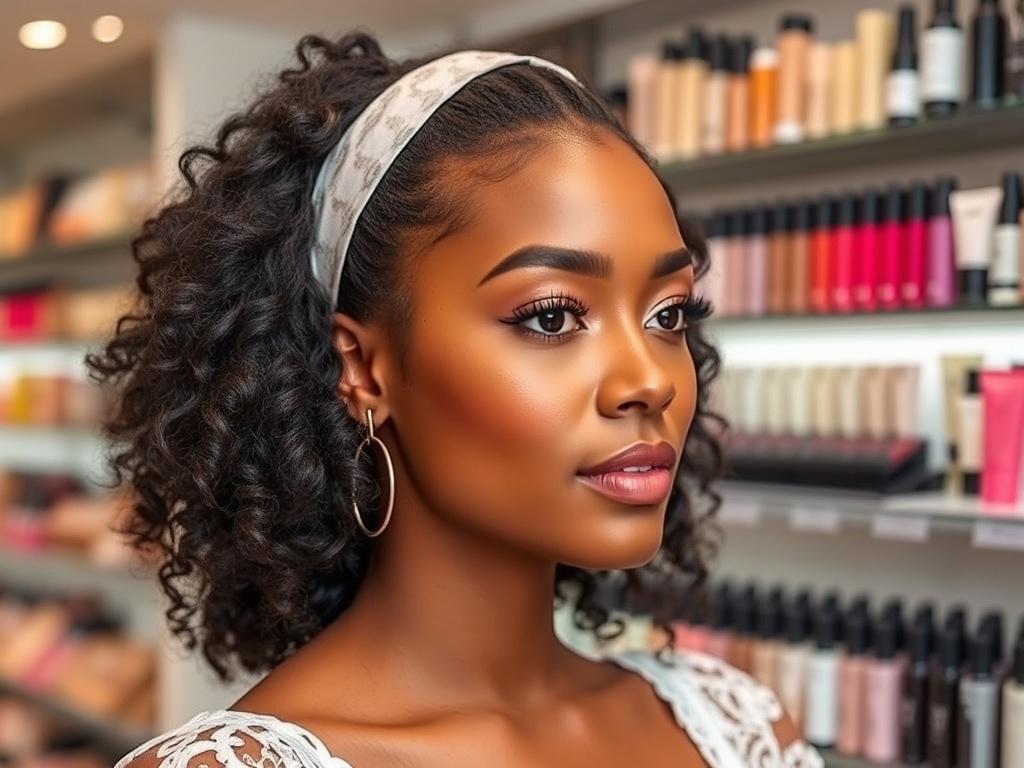
Buying foundation or concealer should be straightforward, but inconsistent shade naming and limited in-store testers complicate matters. Physical retailers can be more inclusive by training staff to understand undertones and by offering shade-matching tools that work across tones. Online retailers can help with detailed shade comparisons, side-by-side swatches on diverse models, and robust return or sample policies.
Table: Shade-testing options and pros/cons
| Method | How it works | Pros | Cons |
|---|---|---|---|
| In-store swatching | Apply samples on jawline in natural light | Accurate when done properly; see real texture and finish | Depends on lighting, availability of testers, staff knowledge |
| Sample sizes | Try small amounts at home for a day | Test oxidation and wear over time | Not all brands offer samples; cost for retailer/brand |
| Virtual try-on apps | Use phone camera to simulate shades | Convenient; useful starting point | Depends on camera quality and lighting; may misrepresent undertone |
| Shade-matching tools | Devices or apps that analyze skin tone | Standardized color reading; helps narrow choices | Calibration and lighting affect accuracy; not always available |
Representation matters: imagery, naming and brand culture
True inclusivity shows up in photography, casting, shade naming and even in how customer service responds. Real representation means featuring a range of ages, textures, tones and genders in campaigns. It means avoiding exoticized or tokenistic portrayals. Shade names can be neutral and hardworking rather than cultural appropriation or stereotyped descriptions. A brand that claims to be inclusive should demonstrate it in hiring, creative direction and product testing, not only in a single hero product.
Representation also affects recognition. When someone sees a product swatch on a model with a similar skin tone, the chance of choosing the right shade increases. That’s why many inclusive brands show multiple models for each shade or provide filter options on product pages so shoppers can find people with similar features.
Inclusivity beyond shade ranges
Shade range breadth is necessary but not sufficient. Consider these additional dimensions of inclusivity:
- Undertone breadth: Does the brand cover warm, cool and neutral undertones proportionally across depth ranges?
- Product performance: Do formulations account for oil control, humidity, pigment concentration and finishing behavior across tones?
- Accessibility and pricing: Are inclusive products placed behind premium price walls only? Accessibility also means distribution in diverse markets.
- Education and tools: Does the brand help customers make informed choices through guides, tutorials and trained staff?
- Sensitivity to cultural context: Are shade names and marketing respectful and accurate?
How to evaluate a brand’s inclusivity: a checklist
When a brand says it’s inclusive, evaluate it across several concrete measures. Here’s a checklist that works whether you’re a consumer or a retailer looking to stock products.
- Does the brand offer a wide range of foundation shades (not just a token few)?
- Are undertones represented across the shade range?
- Are product testers available and labeled clearly in stores?
- Are digital swatches and diverse model photos provided online?
- Does the brand disclose formulation details like pigment types that matter to darker skin?
- Does the brand have trained staff and educational content for shade-matching?
- Is product pricing equitable and accessible across markets?
- Does the brand include diverse people across campaigns, not just a token model?
- Is customer feedback on fit, shades and performance taken seriously (frequent reformulations, expanded shade lines)?
Consumer stories and typical experiences
Most people’s experiences reveal a pattern. Some shoppers report success—finding a brand that finally offers a close match, improving confidence and saving time. Others recount frustration: returning products that oxidize, struggling with ashy powders, or feeling erased by homogeneous advertising. These experiences underscore the need for continuous improvement. Brands that listen and iterate—expanding shade ranges, improving pigment concentrations, and testing on diverse panels—win trust over time.
How to advocate for better inclusive beauty
Consumers wield power in multiple ways. Leaving thoughtful reviews helps other shoppers and signals to brands what works and what doesn’t. Social media campaigns that call attention to gaps can drive change, and many brands have responded quickly to public feedback. If you shop in person, ask store staff for better training and testers; the more customers request it, the faster retailers adapt. Finally, supporting brands that invest in true inclusivity—product, policy and people—sends a clear market signal.
Practical steps you can take today
- Learn your undertone and favorite shades across a few trusted brands to build a reference.
- Request samples online before investing in full-size products.
- Leave specific feedback on shade matching and wear time so brands can improve.
- Support clinics and clinicians experienced with skin of color for professional treatments.
- Follow and amplify creators and professionals of diverse backgrounds who talk about real product performance.
Technology and the future of inclusive beauty
Technology will make inclusivity more precise. Better colorimetry tools, improved virtual try-on that accounts for both tone and undertone, and AI-driven formula suggestions can accelerate progress. But technology must be used responsibly. Virtual try-on needs data from diverse skin types to avoid systematic bias. Likewise, machine learning models should be trained on datasets that reflect the full range of human diversity, not a narrow band of images.
On the formulation side, advances in pigment science and ingredient sourcing can yield products that perform across climates and skin behaviors. Circular packaging, refill systems and sustainable pigment sourcing are also part of a broader inclusive ethos: the future of beauty should be accessible, effective and ethical for everyone.
Practical toolkit: building an inclusive beauty routine
Here’s a starter routine you can tailor to tone, undertone and concerns. Each step is intentionally flexible so it works whether you’re dealing with oily, dry, sensitive, acne-prone or melanin-rich skin.
Morning routine (core steps)
- Cleanser: Gentle, pH-balanced cleanser suited to your skin type. Avoid over-stripping ingredients if you’re dry or prone to PIH.
- Toner/essence (optional): Use hydrating formulas with humectants if your skin needs moisture.
- Treatment serums: Vitamin C for brightening and antioxidant defense; niacinamide for barrier and pigment control. If using active therapies for pigmentation, consult a clinician for the right concentrations.
- Moisturizer: Lightweight lotion for oily skin; richer creams for dry skin. For melanin-rich skin prone to PIH, choose formulations that reinforce the barrier.
- Sunscreen: Broad-spectrum SPF 30+ applied generously. Tinted mineral or chemical sunscreens that leave no white cast are widely available and preferable for daily wear.
- Makeup primer (optional): Use one that balances oil or enhances longevity based on your skin type.
- Foundation/concealer: Match undertone and depth using the jawline method; build coverage in thin layers.
- Setting: Use finely milled powders that match your tone to reduce flashback; set only areas that need extra longevity.
Evening routine (core steps)
- Cleanse thoroughly: Double cleanse if you wore heavy makeup or sunscreen—oil-based cleanser followed by a gentle foaming or cream cleanser.
- Treat: Apply retinoid or exfoliant as appropriate for your skin and tolerance; alternate days if you’re introducing strong actives.
- Hydrate and repair: Use a targeted moisturizer, and consider occlusives if skin is very dry.
- Treat pigmentation: Night is often the time to use depigmenting serums (niacinamide, azelaic acid, prescribed agents under medical guidance).
Sample routines for common goals
Below are simplified templates for three common goals: evening tone (reducing hyperpigmentation), reducing shine and congested pores, and achieving a natural glow with minimal makeup. Use them as starting points and consult a dermatologist for persistent concerns.
Evening skin tone and pigmentation (melanin-rich skin)
- AM: gentle cleanser → antioxidant serum (vitamin C) → lightweight moisturizer → sunscreen (tinted)
- PM: gentle oil cleanser → cream cleanser → azelaic acid or niacinamide serum → retinoid (as tolerated) → reparative moisturizer
- Occasional: professional chemical peel or laser only with a clinician experienced in skin of color
Control oil and minimize shine (oily/combo skin)
- AM: gentle foaming cleanser → BHA product (spot use if sensitivity) → lightweight oil-free moisturizer → sunscreen
- PM: oil cleanser (if wearing sunscreen) → gel cleanser → targeted retinoid or AHA (alternate nights) → non-comedogenic moisturizer
- Makeup tip: use oil-control primer in T-zone, blotted application of long-wear foundation
Natural glow (all tones)
- AM: hydrating cleanser → lightweight antioxidant serum → moisturizer → sunscreen
- Apply tinted moisturizer or light coverage foundation → cream blush and bronzer → cream highlighter in a warm tone for deeper skin or a champagne tone for lighter skin
- PM: gentle cleanser → hydrating serum → moisturizer with ceramides or peptides
Ingredient glossary and how they relate to skin tones
| Ingredient | What it does | Why it matters for different skin tones |
|---|---|---|
| Iron oxides | Provide red, yellow and brown pigments in foundations and concealers | Higher concentrations and careful blends are crucial for accurate matches on deep skin |
| Titanium dioxide / Zinc oxide | Mineral UV filters and pigments | Can cause white cast if not micronized or tinted; tinted formulations help reduce residue on darker skin |
| Vitamin C | Brightens; antioxidant | Useful for PIH across tones; stability and formulation determine effectiveness |
| Niacinamide | Reduces pigment transfer, strengthens barrier | Well-tolerated and helpful for hyperpigmentation in many skin types |
| Retinoids | Stimulate cell turnover | Effective for acne and pigmentation; start slowly to avoid irritation that can worsen PIH |
| AHAs / BHAs | Surface and pore exfoliation | AHAs (lactic, glycolic) brighten; BHAs (salicylic) clear pores—use with sun protection |
Diversity in professional beauty: training and ethics
Makeup artists, dermatologists and other professionals must be educated about how skin behaves across a spectrum of tones. Historically, beauty education emphasized techniques that suited lighter skin and glossed over variations in pigmentation and texture. Today, many training programs incorporate modules on shade matching, product selection and treatment safety for pigmented skin. Ethical practice means professionals learn from people with lived experience and test products across diverse clients before recommending them broadly.
Medical professionals also face an imperative: treatments like lasers and chemical peels can cause hyperpigmentation if used improperly on melanin-rich skin. Clinicians who work with diverse patient populations employ gentler modalities, pre-treatment priming, and post-procedure protocols that reduce risk.
Open questions and ongoing challenges
The industry has made progress, but several issues persist. Shade representation can be skewed: some brands concentrate most of their shades in the mid-tones and have fewer options at the very lightest and deepest ends. Undertone imbalance is also common—some ranges favor warm or cool across certain depths, leaving out neutral options. Pricing and distribution are additional barriers: inclusive formulas shouldn’t only be available in limited markets or behind premium pricing.
There is also a risk of performative inclusion: token campaigns or one-off limited edition launches that do not represent a sustained commitment. Real inclusion requires structural changes—diverse product development teams, long-term investment in pigment libraries and testing panels, and transparent reporting on progress.
Brands, initiatives and organizations to know
Certain brands and organizations have played notable roles in shifting the conversation—some by launching broad shade ranges, others by educating industry stakeholders or advocating for clinical knowledge on skin of color. When researching brands, look for those that combine product breadth with long-term commitments: research, training, and inclusive hiring. Clinicians and organizations that specialize in skin of color are also essential resources for both consumers and professionals.
One such organization is the Skin of Color Society, which focuses on medical and scientific issues related to skin of color and provides educational resources for clinicians and patients. Their work helps ensure treatments are safe and effective across tones. In the retail and product space, the visibility of shade-diverse brands has encouraged legacy brands to improve ranges and education.
Case studies: what works in an inclusive brand strategy
Successful inclusive strategies share several elements. They start with data—surveys and market analysis that identify underserved tones and needs. They invest in formulation: pigment libraries, test panels, and packaging solutions that work for all textures and routines. They integrate representation: diverse creatives across campaigns, accessible product information and customer service. And they measure impact: tracking returns, shade mismatches and customer feedback systematically to iterate.
Brands that treat inclusivity as a single PR initiative rarely sustain loyalty. Those that embed it into the product lifecycle—from ideation to post-launch support—create lasting change and community trust.
How retailers can support inclusive beauty
Retailers influence what customers can access and how they discover products. They can adopt policies that promote inclusivity: require brands to show comprehensive swatches on their product pages, offer extensive tester selections in stores, train staff on shade matching and host community events featuring diverse professionals. On the merchandising side, pairing complementary products—foundations next to matching concealers and powders—prevents the frustrating search customers often experience.
Economic and global perspectives
Beauty markets are global and preferences vary by region. In many countries, local traditions and cultural aesthetics intersect with the modern inclusivity conversation in complex ways. In some regions, products addressing hyperpigmentation are in high demand because of cultural preferences or the prevalence of pigmentation disorders. Inclusive global strategies require sensitivity to local needs while upholding universal principles: fair representation, effective formulations and respectful marketing.
Ethical sourcing and sustainability in inclusive product development
As brands expand pigment inventories and introduce new formulations, sustainability is a real concern. Responsible sourcing of raw materials, reducing waste in pigment production, and offering refillable systems help ensure inclusive beauty doesn’t come at the environment’s expense. Consumers increasingly expect brands to balance inclusivity with ethical and environmental responsibility. Thoughtful procurement, transparent supply chains and recyclable packaging are part of a forward-looking inclusive practice.
Practical shopping guide: what to look for on the label and website
When you shop, certain signals indicate a brand is serious about inclusion. Seek these on product pages and labels:
- Clear shade charts showing multiple models across tones wearing each shade
- Detailed descriptions of undertone and finish (e.g., “deep neutral with warm undertone; dewy finish”)
- Ingredient transparency and non-comedogenic labeling if you have acne-prone skin
- Return policies and sample options listed clearly
- Educational resources and tutorials addressing different skin tones
- Visible representation in marketing (multiple images, behind-the-scenes content with diverse teams)
Common myths and misconceptions
Several persistent myths muddy the conversation. One is that melanin-rich skin doesn’t need sunscreen. This is false: while melanin offers some natural protection, it is not enough to prevent chronic sun damage and pigmentation. Another misconception is that all dark skin reacts the same way; in fact, individual skin behavior varies widely, which is why personalized routines matter. Finally, some believe expanding shade ranges is purely cosmetic and expensive; in reality, it is an investment in product development that pays back through broader markets and customer loyalty.
Community voices: creators, clinicians and customers shaping the conversation
Independent beauty creators and clinicians of diverse backgrounds have been instrumental in changing the narrative. They call attention to subtle product failures, demonstrate application techniques that work on different skin types, and hold brands accountable through visible, evidence-based critique. Consumers who share their experiences publicly create a feedback loop that benefits everyone: brands adjust, and customers find better solutions.
How to build an inclusive makeup kit (artist and personal)
If you’re assembling a kit for professional use or personal versatility, think in ranges rather than single shades. For foundation and concealer, include multiple depths and both warm and cool undertones. For color products, maintain pigment-rich blushes and bronzers that show up across tones, and highlighters in warm and cool options. Tools—sponges, brushes and setting products—should accommodate different textures and finishes.
Suggested baseline kit items
- Five to eight foundation shades spanning light to deep (for pros) with undertone variety
- Three concealer shades: one lighter, one match, one color-correcting shade
- Multiple blushes and bronzers with high chroma
- Cream-based cheek products for natural blending
- Fine-milled setting powders in tone-matching options
- Tinted and non-whitening sunscreens for daily protection
- Versatile highlighters: warm gold, rose gold, and champagne
Measuring progress: how we know if inclusion is improving
Progress is measurable. Look for trends over time: are more brands offering wider shade ranges? Are retailers stocking products in more diverse locations? Are clinicians publishing research and protocols on treating skin of color? Customer satisfaction metrics—reduced returns for shade mismatch, positive reviews about representation, and the presence of diverse models in recurring campaigns—are tangible indicators. Industry reporting and third-party audits can also help hold companies accountable.
Regulation, standards and the role of professional bodies
Regulatory frameworks around product claims, safety testing and labeling are important. Professional bodies—dermatology associations, cosmetic chemist groups and trade organizations—can set standards for testing on diverse skin types. When these standards include requirements for testing and reporting results across skin tones, they push the entire industry to improve product safety and performance for everyone.
Final thoughts: beauty that respects difference
Inclusive beauty is practical and ethical. It recognizes that people of all tones deserve products that work well and marketing that reflects them. This requires changes at several levels: formulation science, shade mapping, education, retail practices and cultural representation. The progress of recent years shows the industry can move quickly when pressed by demand and conscience. But real, lasting inclusion is not a single launch or a headline campaign; it’s an ongoing commitment to listen, test, invest and represent.
If you’re a shopper, advocate and ask for what works. If you’re a professional, educate yourself and your clients. If you’re part of the industry, invest in the infrastructure—pigment libraries, diverse testing panels, and inclusive hiring—that makes product performance and representation possible. Inclusive beauty is better for business, but more importantly, it’s better for people. When everyone can find products that suit them, the beauty industry finally begins to live up to its promise: to help people feel more confident, not more excluded.
Resources and places to learn more
For readers who want to continue learning, seek out clinical organizations and industry journals that focus on skin of color. Attend workshops by professionals experienced with diverse skin tones, follow creators who test products honestly across tones, and look for brands that publish transparent information about their shade development and testing. The Skin of Color Society is a good starting point for clinical questions, and professional makeup education platforms increasingly include modules on working with a full range of skin tones.
Glossary
| Term | Definition |
|---|---|
| Skin tone/depth | The visible lightness or darkness of the skin. |
| Undertone | The subtle hue beneath the skin’s surface (warm, cool, neutral). |
| Post-inflammatory hyperpigmentation (PIH) | Dark spots that appear after skin inflammation or injury. |
| Oxidation | A change in color that occurs when a product reacts with air or skin oils. |
| Iron oxides | Pigments used in cosmetics to create warm and brown hues; important for deep shade formulation. |
Parting note
Inclusive beauty is a practical discipline and a cultural value. It asks us to be precise—about undertones, pigments and formulas—and generous—about representation, listening and accountability. Whether you’re choosing a foundation, building a routine to address hyperpigmentation, or building products for a global market, inclusion means doing the technical work and the hard conversations. The result is products and an industry that serve everyone with skill and respect.