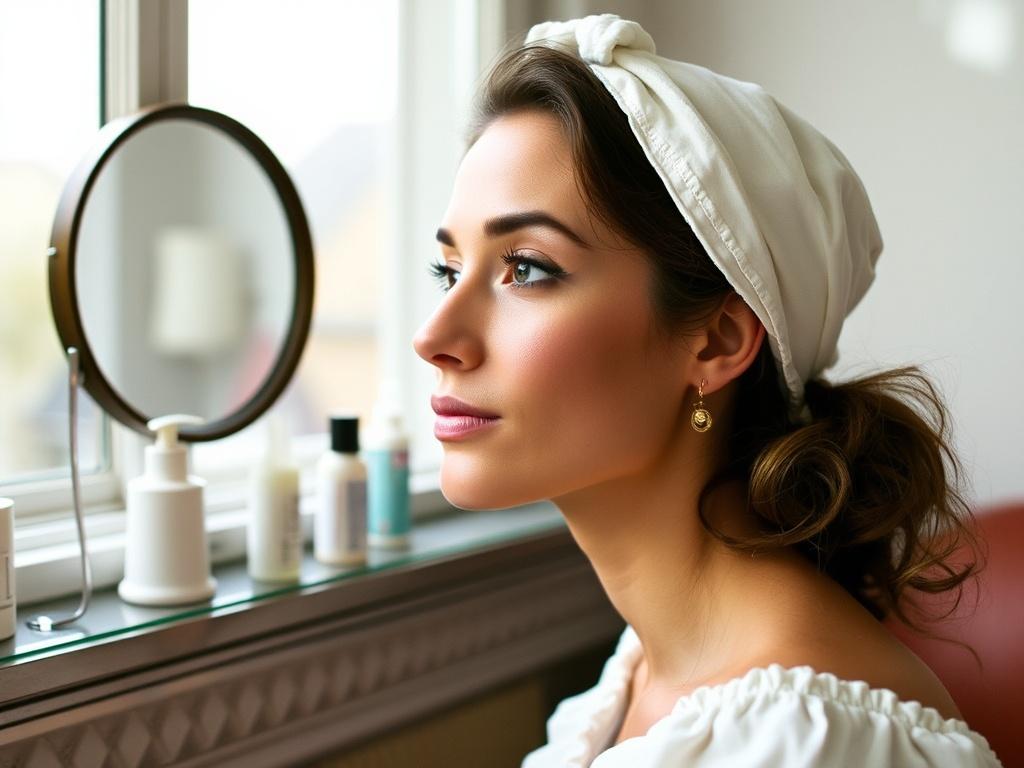
SQLITE NOT INSTALLED
There’s a particular kind of admiration when someone says “French skin.” It isn’t glossy, airbrushed perfection. It’s skin that looks lived-in and lit-from-within, a kind of unforced confidence that makes products and photos feel secondary. This article unpacks that reputation, step by step, blending culture, science, and practical habits so you can borrow the pieces that fit your life. I’ll walk you through routines, ingredients, lifestyle habits, professional options, and smart product choices—with concrete examples and clear explanations. By the end you’ll understand not only what French women do, but why it works.
Why French skin fascinates us
When you think of a French woman’s beauty routine, images of minimalist makeup, clean skin, and a certain relaxed elegance come to mind. That fascination isn’t just about cosmetics; it’s about intention. Rather than masking, the approach favors revealing—nurturing what’s already there. This goes back to a cultural preference for moderation, sensible indulgence, and an appreciation of quality over quantity. The result is not perfection but harmony: a complexion that communicates health and restraint.
Another part of the mystique is accessibility. French pharmacy brands and local estheticians play a role many other cultures outsource to expensive spas or glossy influencers. This accessibility shapes a down-to-earth mentality: skincare is daily care, not a dramatic performance. That everyday thinking creates cumulative results—small acts repeated, not a miracle serum once a month.
Foundational principles of the French beauty philosophy
Before listing steps, it helps to understand the underlying rules French women implicitly follow. These aren’t commandments—more like simple coordinates that guide decisions.
- Prevention over correction. The focus is on habits that protect skin long-term (sun protection, gentle care) rather than chasing quick fixes.
- Less is often more. Fewer products, better ingredients, and simpler rituals reduce irritation and let the skin’s natural barrier repair itself.
- Sensory and ritual value. Texture, scent, and how a product feels matter. The routine is pleasant, which encourages consistency.
- Pharmacy-first mindset. French pharmacy brands emphasize dermatological research, reasonable pricing, and formulations that work for real life.
- Contextual beauty. Diet, sleep, stress, and environment are considered part of the regimen—skin care isn’t only topical.
These principles help explain why a French routine may seem deceptively simple. It’s pared down by design and sustained by hospitable daily habits.
Minimalism—intentional, not stingy
Minimalism in the French approach doesn’t mean using nothing. It means selecting a few high-impact products and refusing to overload the skin with active ingredients that may conflict or irritate. Think of it as editing. A centering serum here, a rich balm there—each item serves a clear purpose. This restraint lowers the chance of sensitivity and supports the skin barrier, which is the real foundation of healthy-looking skin.
Skincare before makeup
Makeup is seen as an enhancement, not a mask. The idea is to prepare the skin so makeup sits better and appears more natural. That is why prepping the skin—hydration, smoothing, protection—gets priority. The result is makeup that complements the skin, rather than competes with it.
Daily routine: morning habits that set the tone
The morning routine is about protection and creating a fresh canvas. It’s rarely complicated. The goal: hydrate, protect, and subtly correct when needed.
Step 1 — Gentle cleanse
French women often prefer mild cleansers that remove overnight oils and sweat without stripping skin. The philosophy is to clean but not denude. Water-based gels, micellar waters, or very gentle milky cleansers are common. If you use an active treatment at night, morning cleansing may be even lighter—just enough to remove residue.
Step 2 — Hydrating toner or thermal water
Rather than alcohol-based toners, a hydrating mist or thermal water is used to calm and rehydrate. The spray becomes a quick refresh and gives the following products a smoother surface to absorb into. This small ritual can also lift morning fatigue; there’s a psychological reset in spritzing something cool on the face.
Step 3 — Targeted treatment
Serums are chosen with intention: a vitamin C serum for radiance and antioxidant protection; hyaluronic acid for hydration; a niacinamide product to balance oil or reduce redness. French routines avoid layering multiple potent actives in the same morning to minimize sensitivity. The approach emphasizes choosing one targeted treatment and sticking with it consistently.
Step 4 — Moisturize
Moisturizers are used to lock in hydration and strengthen the barrier. Textures vary with season and skin type: a light gel for warmer months, a richer cream during winter. French creams often include soothing botanical extracts or thermal spring water—little touches that prioritize skin comfort.
Step 5 — SPF (non-negotiable)
Sun protection is a cornerstone. French women tend to integrate SPF into their daily routine with either a standalone sunscreen or a moisturizer with SPF. The emphasis is on daily, consistent application rather than sporadic, heavy dosing. The practical mindset: apply every morning and reapply when outdoors for extended periods.
Evening routine: repair and restoration
The evening is repair time: remove the day, treat specific concerns, and support nighttime regeneration. This routine is where French discipline shows—gentle but purposeful.
Step 1 — Remove makeup carefully
Double cleansing is common when makeup or sunscreen is present. Start with an oil-based cleanser or balm to dissolve makeup and sunscreen, then follow with a gentle second cleanse to clear residue. This avoids the temptation to scrub or overclean and keeps the barrier intact.
Step 2 — Active treatments
Nights are for stronger treatments: retinoids, acids, or concentrated serums. The French approach is conservative: introduce actives gradually, monitor skin response, and alternate nights if necessary. Rather than daily high-strength use, there is a preference for steady, tolerable application that the skin can handle.
Step 3 — Moisturize or oil
Night creams are richer and may contain reparative lipids, ceramides, and antioxidants. Facial oils—often plant-based blends—are used to seal in moisture and add a supple finish. They are usually applied sparingly to avoid congestion, focusing on areas that need extra nourishment.
Weekly and monthly care: masks, exfoliation, and facials
Weekly rituals add texture and renewal without overwhelming the skin. French women often schedule simple mask routines and occasional exfoliation that respect the skin’s natural turnover.
Exfoliation
Mechanical scrubs are used sparingly. Chemical exfoliants (AHA/BHA) are popular because they offer controlled, even exfoliation. The principle is minimal frequency with predictable results: once or twice a week, adapted to skin tolerance. Over-exfoliation is avoided because it contradicts the protective-first philosophy.
Masks
Masks serve targeted functions: hydration, detox, or gentle brightening. They are chosen by need rather than trend. Hydrating sheet masks or short-contact clay masks are common, each used depending on seasonal needs or a temporary skin complaint.
Professional facials
Many French women visit an esthetician or dermatological clinic for maintenance treatments: gentle peels, lymphatic drainage facials, or targeted procedures. These are regular, planned appointments—not emergency interventions. The consistency of professional care complements the daily routine.
Key ingredients and why they matter
Knowing which ingredients to rely on helps reproduce the French approach without buying into every trend. The reliance is on proven, stable actives that balance efficacy and tolerance.
- Hyaluronic acid: hydrates and plumps without oiliness, a staple for all ages.
- Niacinamide: regulates sebum, calms redness, and supports barrier function.
- Vitamin C: provides antioxidant protection and brightens—but is used carefully so it doesn’t irritate.
- Retinoids: for cellular renewal and anti-aging; introduced gradually and often at lower concentrations initially.
- Ceramides and lipids: repair and strengthen the skin barrier, especially in dry or sensitive skin.
- Thermal spring water: often included for its mineral content and soothing properties; it’s a sensory and calming addition.
- Shea butter and plant oils: nourishes and protects; used strategically, not heroically.
These ingredients are building blocks. The French approach picks the right tool for the right job and uses it steadily over time.
Pharmacy brands and why they dominate
French pharmacies are a unique crossroads between beauty and medicine. They carry brands backed by dermatological research and offer advice without the overpowering retail pressure. Here’s a practical table mapping well-known pharmacy brands to their strengths and typical price brackets, so you know where to look when you want reliable, accessible options.
| Brand | Signature strengths | Example products | Price range (est.) |
|---|---|---|---|
| La Roche-Posay | Sensitive skin, thermal water, sunscreen technology | Anthelios SPF, Effaclar range | Mid-range |
| Avène | Thermal spring water, calming formulations | Thermal water spray, Cleanance gel | Mid-range |
| Vichy | Mineral-rich formulations, anti-aging serums | Mineral 89, LiftActiv | Mid-range |
| Bioderma | Micellar cleaning, sensitive skin science | Sensibio H2O | Affordable to mid |
| Caudalie | Vinotherapy, antioxidants, luxe but accessible | Vinoperfect serum, Beauty Elixir | Mid to premium |
| Nuxe | Multi-use oils, sensorial textures | Huile Prodigieuse | Mid-range |
These brands illustrate a shared attitude: practical, scientifically minded, and attuned to everyday use. Visiting a pharmacy in France often means getting short, practical advice from a trained person who knows which products match which skin issues—this immediate access shapes habits as much as products do.
Makeup philosophy: let the skin do the talking
Makeup in the French routine is a polite guest. It enhances but doesn’t dominate. That means choosing lightweight textures—tinted moisturizers, sheer foundations, and balms—and emphasizing features that convey vitality, like a flushed cheek or a tidy brow. Concealer is used sparingly, and powder is applied delicately to avoid a matte lockdown. The result looks intentional but not staged.
Tools matter too: a soft brush or sponge can blur imperfections without caking, and a gentle hand produces the signature “barely there” finish. Many women prefer multi-tasking products—lip-and-cheek tints, tinted sunscreens—that simplify the makeup bag while achieving a fresh effect.
Fragrance and the sensory dimension
0
Fragrance is part of the ritual. A spritz or a dab becomes a memory anchor: the smell evokes comfort and assures consistency. French women often own a classic perfume and wear it regularly, not switching constantly. This ties beauty to identity; the routine isn’t just functional, it’s familiar and pleasant, which helps sustain it.
Food, sleep, and stress: the inside-out approach
French skincare philosophy gives equal weight to what’s inside the body as what’s outside. Diets rich in vegetables, fish, olive oil, and whole grains supply antioxidants and healthy fats that translate into supple skin. Hydration is practical—not obsessive—and a glass of water, herbal tea, or mineral water is used to maintain fluid balance.
Quality sleep and manageable stress levels are core elements. Short nights and chronic stress visibly alter skin tone and clarity, so routines often include practices that promote sleep: evening rituals, quiet moments with tea, or a calming serum before bed. Management of stress is pragmatic—regular physical activity, time outdoors, and social contact are woven into life rather than treated as ephemeral luxuries.
Sun protection: consistent and sensible
Sun protection is practical in France. Rather than dramatize the sun as purely enemy or friend, many French women adopt measured, everyday protection. SPF every morning is common; so is seeking shade during intense midday sun. Provence and the Mediterranean region teach practical sun habits because the climate demands respect. The takeaway: consistent protection is the easiest high-return habit in skin health.
Common myths and realities
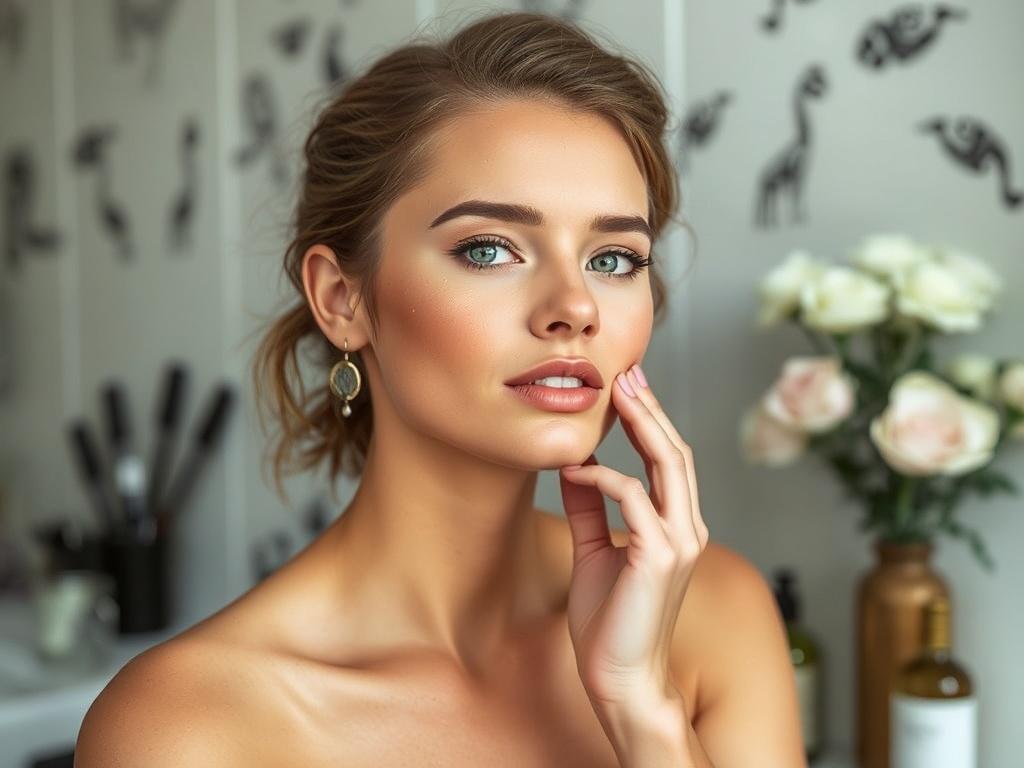
Let’s clear up some common misconceptions around French beauty routines, because myth can obscure useful practices.
- Myth: French women are born with great skin. Reality: Genetics help, but daily habits—consistent sun protection, moderate product use, and regular sleep—are the reliable drivers.
- Myth: French women don’t exfoliate or use retinol. Reality: They use actives intelligently, balancing potency with tolerance and often under professional guidance.
- Myth: French beauty is expensive. Reality: Pharmacy brands are accessible and effective; splurges exist, but many essentials are moderate in price.
- Myth: Minimalism means no care. Reality: Minimalism in this context means carefully curated items used consistently.
Adapting the routine to age and life stage
French women adapt their routines as needs change rather than clinging to a one-size-fits-all set. Here’s a practical breakdown of adjustments by decade to make it easier to apply principles appropriately.
In your 20s — prevention and balance
The focus is on calming inflammation, controlling oil when needed, and introducing gentle antioxidants. Sunscreen, light hydration, and occasional exfoliation set a solid foundation. If acne appears, a targeted approach with dermatological advice is preferred over many conflicting products.
In your 30s — targeted prevention
Collagen decline and subtle textural changes become visible for some. Introducing controlled retinoids, consistent vitamin C, and richer evening moisturizers helps. The mantra remains steady application and avoiding harsh multi-active mixes that trigger sensitivity.
In your 40s — support and barrier repair
As the skin naturally thins and drier tendencies appear, barrier-focused care increases. Ceramides, nourishing oils, and gentle retinoid regimens support resilience. Professional treatments—like gentle resurfacing under expert supervision—are considered to maintain texture and tone.
In your 50s and beyond — nourishment and gentle renewal
The emphasis shifts to intense hydration, repairing lipids, and targeted wrinkle care. Ingredients that support barrier integrity and elasticity—peptides, lipids, and carefully used retinoids—help maintain comfort and tone. Routine simplicity remains valuable because sensitive reactions become more likely.
Skin type-specific guidance
French routines are adapted to skin types in a pragmatic manner—identify the need, then choose the matching product.
Oily and acne-prone
Balance oil production rather than strip it. Non-comedogenic formulations, lightweight hydrators, and routine use of sunscreens designed for oily skin work well. Niacinamide helps regulate sebum and soothe inflammation. Avoid heavy occlusive creams that can clog pores.
Dry and sensitive
Focus on barrier repair with ceramides, gentle oils, and minimal actives that can irritate. Thermal water sprays, fragrance-free formulas, and richer night creams create a supportive environment. Patch testing new products is a common, sensible practice.
Combination skin
Address zones differently—lighter textures where oil gathers, richer creams where dryness occurs. Multi-tasking products and targeted serums can simplify an otherwise fiddly routine.
Acne scarring or hyperpigmentation
Targeted treatments like vitamin C, niacinamide, and professionally supervised peels can help. Consistency and sun protection are crucial because UV accelerates pigment formation. Professional assessment helps design a safe, effective plan.
Sample routines: practical, adaptable templates

Below are sample routines tailored for common priorities. Use them as templates and adjust for seasonal needs, skin tolerance, and product availability.
| Priority | Morning | Evening |
|---|---|---|
| Hydration & barrier | Gentle cleanse → thermal water → hyaluronic acid serum → rich moisturizer → SPF | Oil-based cleanser → gentle cream cleanser → reparative serum (peptides) → nourishing night cream |
| Acne-prone | Gel cleanser → niacinamide serum → oil-free moisturizer → SPF | Oil cleanser (if wearing makeup) → BHA or salicylic acid product (2–3x/week) → light non-comedogenic moisturizer |
| Anti-aging | Gentle cleanse → vitamin C serum → moisture + SPF | Double cleanse → retinoid (as tolerated) → rich moisturizer or oil |
These templates show how consistent decisions compound. There’s no single “perfect” routine, only what suits your skin’s needs and your life rhythm.
Budgeting—how to prioritize spending
French-style routines often mix affordable staples with occasional splurges. The common advice: invest where it matters. Sunscreen, a reliable cleanser, and a competent moisturizer are foundation purchases. Serums and specialty items can vary in price without guaranteeing dramatic returns, so research and trial small sizes first. This budget-minded approach keeps routines sustainable over time.
DIY recipes that are gentle and safe
At-home remedies can be pleasant and effective when they use simple, non-irritating ingredients. Here are a few low-risk options that align with the French preference for sensorial pleasure and practicality.
- Honey and yogurt mask (hydrating, soothing): Mix one tablespoon of plain yogurt with one teaspoon of raw honey. Apply for 10–15 minutes and rinse with lukewarm water. Honey has mild antimicrobial properties and yogurt contains lactic acid for gentle smoothing.
- Oatmeal soothing scrub (gentle exfoliation): Grind rolled oats into a coarse powder. Mix with a little water or thermal water to form a paste. Massage gently in circular motions for a minute or two and rinse. This calms irritation and removes dead skin with minimal abrasion.
- Simple facial oil blend (nourishment): Combine 1 tablespoon of sweet almond oil with 2–3 drops of rosehip seed oil in the palm, warm slightly between hands, and press into damp skin at night. Use sparingly to avoid congestion.
These recipes are simple, sensory, and aligned with the French love of natural textures. Patch test before widespread use and avoid if you have a history of reactions to the components.
When to see a dermatologist or esthetician
The French routine values professional guidance. See a dermatologist for moderate to severe acne, sudden pigment changes, or any rapidly changing lesion. Aesthetic professionals are consulted for planned maintenance—peels, laser sessions, and targeted treatments that complement home care. The guiding principle: pair consistent daily care with occasional professional tuning rather than depending solely on expensive procedures.
Travel and the French approach to packing light
French women are masters of compact beauty kits. Travel essentials are multi-taskers: an oil that doubles as hair serum, a tinted SPF, and a balm that serves as lip and cheek color. Pharmacies near travel hubs often carry travel-sized staples, which makes maintaining a routine easier on the road. The travel philosophy: bring what you’ll use daily, not every product you own.
How to build your own routine—6 straightforward steps
Want a practical way to adopt the approach without getting overwhelmed? Follow these six steps.
- Identify your primary concern (hydration, oil control, aging, sensitivity).
- Choose one foundational cleanser and one moisturizer that your skin tolerates well.
- Add sunscreen to your morning routine and use it consistently.
- Select one targeted active (vitamin C, niacinamide, or retinoid) and introduce it slowly.
- Schedule weekly maintenance—gentle exfoliation or a mask—and one professional visit every few months if possible.
- Adjust seasonally and minimize product churn; commit to the effective basics for months before moving on.
These steps reflect the French tendency to cultivate steady, sensible habits rather than chase novelty.
Common mistakes and how to avoid them
Even with good instincts, it’s easy to slip into counterproductive habits. Here are mistakes I’ve seen people make when trying to adopt this approach, and how to correct them.
- Too many actives at once: Introduce one active ingredient at a time and monitor tolerance.
- Switching products too often: Give new products 4–8 weeks to demonstrate effects before abandoning them.
- Neglecting sunscreen: Make sunscreen non-negotiable; it’s the single most impactful daily habit for skin aging and pigment control.
- Over-exfoliating: Reduce frequency if redness or sensitivity increases; more isn’t better.
- Chasing trends over fundamentals: Trends can be fun, but basics—cleansing, moisturizing, and protecting—deliver predictable returns.
Real-life snapshots: daily rituals that illustrate the approach
To make the principles concrete, here are a few real-life examples of routines that reflect typical French sensibilities. Each one focuses on simplicity, sensorial pleasure, and consistent protection.
- Marie, Parisian office worker: Morning: micellar water → lightweight vitamin C serum → hydrating SPF. Evening: oil cleanse → gentle cream cleanser → niacinamide serum → light night cream. Weekly: clay mask for T-zone, monthly facial with esthetician.
- Claire, artist in Bordeaux: Morning: thermal water mist → hyaluronic acid → tinted mineral sunscreen. Evening: double cleanse twice a week when wearing makeup, otherwise single cleanser → retinol every other night → nourishing oil. Regular walks and a simple Mediterranean-influenced diet.
- Sophie, mother of two in Lyon: Morning: quick splash of water and SPF before school run. Evening: gentle cleanser when children are asleep → peptide serum → rich moisturizer. Occasional indulgence: a calming scented oil and a slow cup of tea as personal ritual.
Each example demonstrates adaptation to life rhythms, prioritizing continuity over perfection.
Ethics, sustainability, and product transparency
Environmental consciousness is increasingly part of French beauty choices. Many consumers look for recyclable packaging, responsible sourcing, and formulations that avoid unnecessary synthetic fragrances. The preference leans toward brands that are transparent about ingredients and testing practices. This doesn’t mean every consumer chooses eco-labels exclusively, but sustainability and ingredient literacy are part of the decision-making matrix.
French men and skincare: the same sensible playbook
The skin care mindset crosses genders. French men often favor straightforward, functional products—cleansers, simple moisturizers, and SPF. Barriers to adoption are low because the routine is not gendered; instead it’s practical. Many opt for multipurpose formulations that fit a no-fuss lifestyle.
How cultural context shapes practice
France’s cultural emphasis on moderation, culinary tradition, local pharmacies, and neighborhood estheticians all shape daily choices. Beauty is integrated into life rather than separated into a ritualistic performance. This context creates a feedback loop: accessible, sensible products encourage realistic daily use, and that regularity delivers visible results.
Practical shopping list: essentials for a French-inspired kit
Keep your shopping focused. Here’s a compact list of essentials that cover most needs without clutter.
- Gentle cleanser (non-stripping)
- Hydrating mist or thermal water
- Targeted serum (vitamin C or niacinamide or hyaluronic acid)
- Moisturizer suited to your skin type
- Broad-spectrum sunscreen (SPF 30+)
- Light oil or richer night cream
- Optional: exfoliant for weekly use, hydrating mask
Stick to these basics, and you’ll cover most skin needs while keeping your routine manageable.
How to test and evaluate new products like a French consumer
French shoppers are intentional. They read labels, sample in stores, and consult pharmacists when in doubt. If you want to adopt that methodical approach:
- Patch test new products on the inner forearm for 48 hours.
- Introduce one product at a time and wait at least four weeks to judge its effect.
- Prefer products with straightforward ingredient lists and a clear purpose.
- Don’t be swayed solely by packaging or influencer hype—look for consistent user reviews and third-party endorsements.
Science-backed reasons the approach works
The French routine aligns with dermatological principles: preserving the skin barrier, protecting from UV damage, and avoiding chronic inflammation. Daily sunscreen reduces UV-driven aging and pigment risk; maintaining the skin barrier minimizes transepidermal water loss and inflammation; and consistent, moderate use of actives lets the skin adapt and renew without repeated bouts of irritation. These small, evidence-aligned steps compound over time.
Putting it into practice: a 30-day challenge
If you want to test the French method, try a 30-day commitment. Here’s a manageable plan:
- Week 1: Simplify—use a gentle cleanser, moisturizer, and SPF daily. Skip potent actives.
- Week 2: Add one targeted serum (vitamin C in the morning or hyaluronic acid) and keep routine consistent.
- Week 3: Introduce night treatment (retinoid) at low frequency if needed and tolerated.
- Week 4: Evaluate—note changes in hydration, texture, and comfort. Adjust product frequency based on tolerance.
The aim is to cultivate consistent habits rather than chase immediate transformations. Many enjoy the ritual itself as much as the results.
Final reflections: why the “secret” is seldom secret
The secret behind “French skin” isn’t a rare ingredient or a mysterious technique—it’s a philosophy. It’s daily tending, reasonable protection, and skimming complexity back to essentials. The routine’s power lies in its repeatability and in prioritizing comfort, which reduces overuse and irritation. It’s an understated approach that rewards patience and steady care.
Try the elements that fit your life: adopt a reliable sunscreen, pick one targeted active, keep cleansing gentle, and enjoy the routine’s sensory details. Over time, those small, consistent choices add up to skin that looks coherent, cared-for, and decidedly lived-in—not manufactured.
Useful resources and next steps
Want to go further? Visit a local pharmacy, ask for samples, and consult a licensed dermatologist if you have specific concerns. Building a routine is a personal experiment; observe how your skin responds, adapt gently, and remember that simplicity often outlasts complexity.
Merci for reading—may your next skincare purchase be thoughtful, your sunscreen reliably applied, and your routine quietly joyful.