SQLITE NOT INSTALLED
The phrase “skin microbiome” sounds scientific, maybe a little mysterious. Picture a bustling metropolis on your skin: billions of tiny residents—bacteria, fungi, viruses, and even microscopic mites—living on and in the surface layers. They influence how your skin looks, how it heals, and how it reacts to the environment. This article walks through what that microbiome really is, why it matters, and practical, evidence-based ways to nurture it. No jargon-heavy detours, just clear explanations and actionable tips you can use today.
What is the skin microbiome?
Think of the skin microbiome as a community. It includes bacteria such as Staphylococcus epidermidis, fungi like Malassezia, mites such as Demodex, and a zoo of viruses and archaea. Each of these organisms has a role—some are neutral, some help protect you, and a few can cause trouble when the balance changes. The skin microbiome isn’t a single uniform layer; it varies with body site, age, sex, and even with the seasons.
Different areas of your body host different communities. The oily areas—like the forehead and back—favor certain bacteria that thrive in sebum-rich environments. Dry places—like the forearms—support a broader diversity. This patchwork of microenvironments helps explain why issues such as acne or eczema often appear in specific locations.
Importantly, the skin microbiome works with your immune system. They train immune cells, help block pathogens, and support the skin’s barrier function. Think of it as a neighborhood watch; when it’s functioning well, invaders are harder to establish themselves. When it’s disrupted, trouble can follow: increased inflammation, sensitivity, flare-ups of chronic conditions.
Why it matters: benefits of a balanced microbiome
A balanced microbiome contributes to healthy-looking skin in several ways. First, certain microbes produce antimicrobial peptides and acids that keep potential pathogens in check. Second, by communicating with your immune cells, resident microbes help maintain controlled, appropriate inflammation—important for both preventing and resolving irritation. Third, microbes can help maintain the skin’s acidity (the acid mantle), which is crucial for barrier integrity and for discouraging harmful organisms.
When the microbiome loses diversity or becomes dominated by a few species, the skin can react. You may notice increased redness, flaking, sensitivity, or recurrent infections. Some chronic skin issues—acne, atopic dermatitis (eczema), and rosacea—have documented links to microbiome changes. This doesn’t mean microbes are always the sole cause; genetics, environment, diet, and lifestyle are also part of the picture. But supporting microbiome health can be a useful component of overall skin care.
Who lives on your skin? The usual suspects
Here’s a short guided tour of the main groups you’ll find on most people. Each plays a different role:
- Staphylococcus epidermidis: Usually a friendly bacterium. It can inhibit pathogens and help modulate inflammation.
- Cutibacterium acnes (formerly Propionibacterium acnes): Common in oily, acne-prone areas. Some strains are associated with acne, while others are benign or protective.
- Corynebacterium: Typical on moist areas; its role is complex and context-dependent.
- Malassezia: A genus of fungi present on many people. It’s usually harmless but can contribute to dandruff and certain dermatitis types.
- Demodex mites: Tiny mites that feed on skin oils and cells. They’re mostly harmless but can be linked with rosacea in some people.
That’s a simplified list. The true community includes dozens of genera and thousands of microbial strains, each with genetic differences that influence how they interact with skin and immune cells. The nuance is important: the presence of a microbe doesn’t automatically equal harm or benefit; the context matters.
How the microbiome develops over a lifetime
From the moment of birth, your skin starts to acquire microbes. Babies born vaginally often pick up different initial microbes than babies born by C-section. In early life, skin microbiomes evolve rapidly as the child encounters family members, pets, and environments. Puberty brings hormonal changes that alter sebum production and shift microbial populations—this is one reason acne commonly appears in adolescence.
As adults, our microbiome tends to stabilize but still responds to lifestyle changes: moving to a new climate, a new relationship, medication courses, diet alterations, or chronic stress can all shift the balance. In older adults, changes in skin physiology—thinner skin, lower sebum, reduced immune responsiveness—affect microbial composition again. All these life stages present opportunities to support a healthy skin ecosystem.
Factors that disrupt the skin microbiome

Several everyday factors can disturb the microbial balance on your skin. Some disruptions are unavoidable; others are within your control. Familiarize yourself with the common disruptors so you can minimize unnecessary harm.
- Harsh cleansers and frequent washing: Overstripping oils and lipids damages the skin’s barrier and can reduce beneficial microbes.
- Antibacterial products and heavy use of antibiotics: These can reduce microbial diversity and select for resistant organisms.
- Over-exfoliation: Excessive mechanical or chemical exfoliation damages skin structure and can provoke inflammation and microbiome shifts.
- Low humidity and environmental extremes: Dry air or extreme cold can impair barrier function and alter microbial habitats.
- Pollution and UV exposure: Airborne pollutants and UV radiation cause oxidative stress and can indirectly disturb microbial communities.
- Diet and systemic medications: Diets that influence systemic inflammation, or medications like systemic antibiotics and immunosuppressants, can change skin microbial composition.
- Stress: Chronic stress alters immune function and skin physiology, with downstream effects on microbes.
Principles of microbiome-friendly skincare
There’s no single magic product that fixes everything. Instead, think in terms of principles: protect the barrier, maintain appropriate pH, avoid unnecessary antimicrobial assault, and support resilience. These principles translate into concrete habits: choose gentle, pH-balanced cleansers; use moisturizers that restore lipids and hydration; avoid excessive antiseptic products; and prioritize sun protection.
Another practical principle is to reduce extremes. Both excessive cleanliness and complete neglect can harm the microbiome. Aim for a balanced routine that removes harmful buildup without stripping away beneficial elements. When you introduce new products, do so one at a time so you can assess their effects.
pH matters
The acid mantle—typically with a pH around 4.5 to 5.5—helps keep pathogens at bay and supports resident microbes that prefer slightly acidic conditions. Harsh alkaline soaps can raise skin pH and destabilize this environment. Look for cleansers labeled pH-balanced or with a pH close to your skin’s natural acidity. Restoring pH after cleansing, when needed, helps maintain microbiome equilibrium.
Support the barrier with lipids
A robust skin barrier is the foundation for a balanced microbiome. Lipids like ceramides, cholesterol, and fatty acids are the structural components of the outermost skin layers. Moisturizers that include these ingredients—or ingredients that encourage their production—help the barrier heal and function properly. A healthy barrier limits water loss, reduces irritation, and creates a favorable habitat for commensal microbes.
Hydration counts
Hydration affects both skin mechanics and microbial habitats. Ingredients such as glycerin, hyaluronic acid, and urea pull and hold moisture in the skin. When the skin is well-hydrated, it is less prone to cracking and inflammation, which reduces opportunities for pathogenic overgrowth.
Practical daily routine: a microbiome-friendly approach
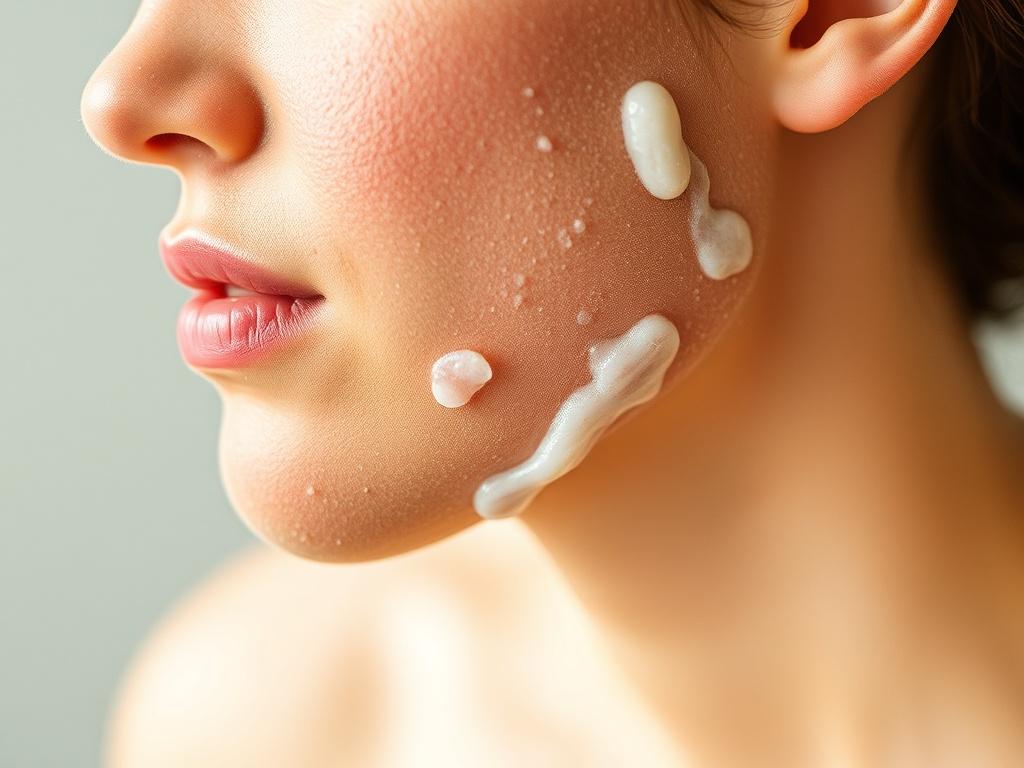
A routine that respects the microbiome doesn’t have to be complicated. Below is a practical, flexible outline you can adapt based on your skin type and lifestyle. The goal is to keep it simple, protective, and consistent.
Morning
- Gentle cleanse if needed: Use a mild, pH-balanced cleanser if you feel residue or sweat. If your skin is dry, consider rinsing with water only.
- Hydrate: Apply a lightweight serum or hyaluronic acid product to lock in moisture.
- Moisturize: Use a moisturizer with ceramides or essential fatty acids for barrier support.
- Sun protection: Apply a broad-spectrum sunscreen appropriate for your skin type. Sunscreen shields the microbiome from UV damage and helps prevent inflammation-driven dysbiosis.
Evening
- Remove makeup and grime: Use a gentle cleanser or oil-based cleanser if you wear makeup or sunscreen.
- Targeted treatments: If you use active ingredients (retinoids, benzoyl peroxide), apply them sparingly and monitor reactions. These can alter microbiome composition, so introduce gradually.
- Moisturize richer than morning: Night creams with reparative lipids and humectants support overnight barrier repair.
Weekly
- Limit exfoliation: 1–2 times a week for most people; fewer if your skin is sensitive. Choose gentle methods—avoid abrasive scrubs.
- Consider prebiotic or calming masks: Occasional products formulated to soothe and support beneficial microbes can be helpful.
Ingredients to favor and avoid
Not all skincare ingredients have the same impact on the microbiome. Some help restore and support, while others can be unnecessarily disruptive. Below is a practical comparison presented as a table to make choices easier.
| Favorable Ingredients | Why they help |
|---|---|
| Ceramides, cholesterol, fatty acids | Restore barrier lipids and skin structure |
| Glycerin, hyaluronic acid, urea | Hydrate and maintain moisture balance |
| Prebiotic ingredients (inulin, lactobacillus ferment lysate) | Feed or encourage beneficial microbes and support skin health |
| Niacinamide | Supports barrier function, reduces inflammation, generally well-tolerated |
| Low-irritant botanical extracts (oat, panthenol, allantoin) | Soothe and calm without strong antimicrobial effects |
And ingredients often worth avoiding or using with caution:
| Ingredients to Use with Caution | Why to be cautious |
|---|---|
| Strong antibacterial agents (triclosan, high-concentration alcohol) | Can reduce microbial diversity and select for resistance |
| High pH soaps and harsh surfactants (SLS in high concentration) | Strip oils, disrupt acid mantle, impair barrier |
| Excessive use of benzoyl peroxide or strong acids | Can alter skin flora and produce irritation if overused |
| Overuse of topical and oral antibiotics | Can drive dysbiosis and resistance; use only when necessary |
Prebiotics, probiotics, and postbiotics in skincare: what they mean
These three terms often show up on product labels, and they’re sometimes used interchangeably. They are distinct concepts and play different roles.
Prebiotics
Prebiotics are substances that feed beneficial microbes. In skincare, prebiotic ingredients may include plant-derived polysaccharides or ferment extracts that serve as food sources for friendly bacteria. The idea is that supplying targeted nutrients encourages a healthier balance of microbes on the skin.
Probiotics
Topical probiotics are preparations containing live microorganisms applied to the skin. They present logistical challenges: live organisms need to survive product formulations, storage, and application conditions. Some formulations attempt this, but stability and safety are important considerations. If live probiotics are used topically, they should be well-characterized strains shown to be safe for skin use.
Postbiotics
Postbiotics are the non-living products of microbial metabolism—things like short-chain fatty acids, peptides, and lysates. These can be easier to formulate and more stable than live bacteria. Postbiotics may deliver beneficial signals or antimicrobial activity without introducing live organisms into cosmetic products.
Overall, prebiotics and postbiotics are increasingly popular because they are easier to standardize and safely include in skincare formulations. Topical probiotics need careful vetting and may be better suited to clinical applications under supervision than to over-the-counter experimentation.
Clinical conditions linked to microbiome imbalance
There’s growing evidence that changes to the skin microbiome are associated with certain dermatological conditions. Understanding these links can help you see why supportive skincare matters, while also recognizing that medical care is often required for diagnosis and treatment.
Acne
Acne is a multifactorial condition in which Cutibacterium acnes plays a role. Research shows that certain strains of C. acnes can trigger inflammation and interact with the immune system. However, many people host C. acnes without acne; genetics, sebum production, and other bacteria influence disease expression. Treatments often target inflammation and sebum control; supporting the barrier and avoiding excessive disruption of the microbiome can complement those strategies.
Atopic dermatitis (eczema)
Atopic dermatitis is characterized by barrier dysfunction and often by a decrease in skin microbial diversity. Staphylococcus aureus frequently colonizes eczema-affected skin and can worsen inflammation. Treatments focus on repairing the barrier, controlling inflammation, and managing infection risk. Gentle skincare, avoidance of triggers, and, when needed, medical therapies are central.
Rosacea
Rosacea involves chronic facial redness and sometimes papules or pustules. Research suggests connections to Demodex mites and certain microbial shifts; however, the exact causative mechanisms are complex and variable among individuals. Laser therapy, topical agents, and lifestyle adjustments often form the treatment plan.
Dandruff and seborrheic dermatitis
These conditions are associated with Malassezia yeast species and often respond to antifungal therapies. Maintaining a healthy scalp barrier and avoiding overly aggressive shampoos can help reduce flares.
How to introduce active treatments without harming the microbiome
Active ingredients such as retinoids, acids, and antimicrobials can be very effective but also disruptive if used thoughtlessly. Here’s how to use actives responsibly:
- Introduce one new active at a time. Wait several weeks to observe effects before layering another.
- Start at a low concentration and increase gradually to minimize irritation and barrier disruption.
- Use supportive products: pair actives with a barrier-restoring moisturizer and avoid other aggressive procedures simultaneously (e.g., peels, laser).
- Patch test new actives on a small area before full-face use.
- Work with a dermatologist for prescription-strength actives or if you have chronic skin conditions.
Diet, lifestyle, and the skin microbiome
Your skin is not an island. The gut microbiome, systemic inflammation, and lifestyle factors influence skin health. While the links are complicated, a few lifestyle choices consistently support both gut and skin:
- Eat a varied diet rich in whole foods, fiber, and polyphenol-containing fruits and vegetables.
- Limit high-glycemic diets and excessive dairy if you notice these trigger acne flares; individual responses vary.
- Manage stress through sleep, exercise, and relaxation techniques, as chronic stress can dysregulate immune responses affecting skin.
- Use antibiotics judiciously. If you need antibiotics, discuss with your doctor the duration and potential effects on microbiome balance.
- Stay hydrated and get regular physical activity to support circulation and overall health.
Environmental impacts: your surroundings shape your skin
Where you live and what you encounter outside influence the microbes that populate your skin. Urban environments, indoor living, and contact with nature all shape microbial exposure. Regular contact with green spaces and pets tends to increase microbial diversity and has been associated with certain health benefits. That doesn’t mean you should stop washing your hands or avoid modern hygiene—just that balanced, varied exposure can be beneficial.
Pets and human microbial exchange

Pets introduce new microbes into the home. For many people, that diversity is positive: studies show that infants raised with pets often have different microbial patterns and sometimes lower risk of allergic conditions. Of course, responsible pet hygiene and vaccination are important. Allowing safe contact with animals while maintaining cleanliness for vulnerable individuals strikes a practical balance.
Common myths and misconceptions
With any emerging science come myths. Here are a few misconceptions about the skin microbiome and short, practical clarifications.
Myth: “All bacteria on skin are bad”
Fact: Most skin microbes are neutral or beneficial. The goal is balance, not sterilization.
Myth: “If you stop washing, your microbiome will be better”
Fact: Neglecting hygiene can allow pathogenic overgrowth and infections. The key is balanced cleansing—clean enough to remove harmful buildup but not so aggressive that you strip beneficial elements.
Myth: “Probiotics in a jar will rapidly fix your skin”
Fact: Topical probiotics are a promising area, but effects vary by formulation, strain, and product stability. Prebiotics and postbiotics may be more practical in many over-the-counter products.
How skincare brands are responding
Skincare companies are increasingly marketing “microbiome-friendly” products. Some genuinely embrace science-backed approaches—prebiotic ingredients, low-pH formulations, and barrier-repairing moisturizers. Others use the term as a buzzword. As a consumer, read ingredient lists, look for formulations that prioritize barrier support over heavy antimicrobial claims, and be wary of grand promises without evidence.
How scientists study the skin microbiome
Researchers use tools like 16S ribosomal RNA sequencing to identify bacterial taxa, metagenomics to analyze genetic content, and culturing for live isolates. These methods reveal the composition and potential functions of microbial communities. Studies often compare healthy vs. diseased skin or examine how interventions change microbial patterns. While this research is expanding quickly, translating findings into specific product recommendations requires caution and time.
Personal experiments: what to try and how to track results
If you want to optimize your skin microbiome, treat changes like experiments. Make one change at a time, track outcomes, and be patient—microbial communities may take weeks to adjust.
- Baseline: Photograph affected areas, note symptoms, and list current products and medications.
- Change: Introduce a single intervention (e.g., switch to a gentle pH-balanced cleanser or add a ceramide moisturizer).
- Observe: Wait 4–8 weeks and note any improvements or worsening signs.
- Iterate: If helpful, continue; if not, revert and try a different, single change.
Keeping a simple skin journal helps you see patterns and connect changes to outcomes.
When to see a dermatologist
Supportive skincare is valuable, but persistent, severe, or rapidly worsening skin problems should be evaluated by a professional. If you experience spreading redness, pain, crusting, open sores, or systemic symptoms like fever, seek medical care. For chronic conditions like moderate to severe acne, eczema, or rosacea, a dermatologist can recommend targeted therapies that may include topical or systemic treatments alongside microbiome-friendly care.
Case studies: simple real-world examples
Here are three brief, illustrative examples that show how microbiome-minded changes can help in everyday situations. They’re not clinical trials, but they illustrate practical decision-making.
Case 1: The over-washer
Problem: A young adult had dry, flaky cheeks and frequent irritation after using an antibacterial soap twice daily.
Approach: They switched to a mild, pH-balanced cleanser, reduced cleansing to once a day, and added a ceramide-rich moisturizer.
Outcome: Within weeks, the skin felt less tight and visibly calmed. The change reduced direct antimicrobial assault and helped the barrier recover.
Case 2: The acne patient overusing actives
Problem: An individual with acne layered multiple strong actives—BP, retinoids, and daily chemical exfoliation—leading to redness and flares.
Approach: They simplified the regimen: retinoid at night in a lower concentration, benzoyl peroxide a few times a week, and supportive moisturizer. Exfoliation decreased to once weekly.
Outcome: Irritation decreased, inflammation lessened, and acne responded better to targeted therapy when the barrier was supported.
Case 3: Eczema and Staphylococcus aureus colonization
Problem: A child with recurrent eczema had frequent flares and signs of S. aureus colonization.
Approach: Under medical guidance they used topical anti-inflammatory treatments, regular emollients rich in lipids, and targeted antibacterial measures only when infection was suspected.
Outcome: Flares became less severe and less frequent when the skin barrier was prioritized and antibiotics were used judiciously.
Shopping guide: how to pick microbiome-friendly products
Labels can be confusing. Here are practical tips the next time you’re browsing products:
- Favor gentle, pH-balanced cleansers. If a product feels squeaky-clean after use, it may be too stripping.
- Look for moisturizers with ceramides, cholesterol, and fatty acids, especially if you have a dry or compromised barrier.
- Avoid products making broad antimicrobial claims for daily use (e.g., “kills 99.9% of bacteria”) unless medically indicated.
- Prebiotic and postbiotic ingredients can be helpful; consider them as supportive components rather than miracle cures.
- Keep sunscreen in the routine—UV protection supports microbiome indirectly by reducing inflammation and barrier damage.
Travel and temporary disruptions: what to do on the road
Travel can disrupt routines and expose you to new microbes. Pack travel-sized versions of your core gentle cleanser and moisturizer. Maintain hydration, protect your skin from sun and climate extremes, and avoid over-exfoliation while adjusting to new conditions. If you must use hotel soaps or public facilities, rinse with your preferred cleanser later to restore familiar skin conditions.
Hands and the microbiome: special considerations
Hand hygiene is a public health priority—especially during outbreaks. Frequent handwashing with soap and water or sanitizer is necessary in many situations. To mitigate skin damage from frequent washing, follow up with fragrance-free, barrier-supporting hand creams that contain emollients and humectants. In healthcare or food-prep settings, protective gloves and barrier creams can reduce irritation from repeated cleansing.
Children, infants, and the microbiome
Infant skin differs from adult skin: it’s thinner, still developing, and more prone to moisture-related issues. Gentle cleansers, avoidance of excessive bathing for newborns, and minimal use of antimicrobial agents are reasonable choices. Allowing normal family contact, including with pets, supports microbial diversity but follow hygiene guidance for vulnerable or immunocompromised infants.
The future: where research is headed
Science on the skin microbiome is moving fast. Some promising directions include targeted probiotic therapies, personalized skincare based on individual microbial profiling, and postbiotic compounds that deliver specific benefits without the complexity of live organisms. We may also see diagnostic tools that help clinicians tailor treatments based on microbiome patterns rather than using a one-size-fits-all approach.
That said, translation from bench to bedside takes time. Claims about “microbiome-correcting” products should be assessed critically. Real clinical benefit requires robust trials, safety assessments, and reproducibility. Until then, practical, barrier-focused care remains a cornerstone of sensible microbiome-friendly skincare.
Summary: a practical checklist to care for your skin microbiome
Here’s a compact checklist you can remember and act on. Each point is brief but meaningful.
- Clean gently: Use pH-balanced, mild cleansers and avoid daily use of harsh antibacterial soaps.
- Support the barrier: Choose moisturizers with ceramides, cholesterol, and fatty acids.
- Hydrate: Use humectants like glycerin or hyaluronic acid to retain moisture.
- Protect: Apply broad-spectrum sunscreen daily to prevent UV-driven damage.
- Be cautious with actives: Introduce actives slowly and combine them with barrier-supporting products.
- Avoid unnecessary antibiotics: Use when medically indicated and follow medical guidance.
- Eat varied, manage stress, and sleep well to support systemic health.
- Consider prebiotics or postbiotics for topical support; be cautious with live topical probiotics.
- Consult a dermatologist for persistent or severe issues.
Frequently asked questions
Can a change in skin products harm my microbiome quickly?
Yes. Switching to harsh or strongly antimicrobial products can alter microbial communities in days to weeks. Conversely, switching to gentler, barrier-supportive products can have beneficial effects over weeks. Always monitor changes and introduce new products gradually.
Are oral probiotics useful for skin health?
Oral probiotics may influence skin indirectly by modulating gut-skin immune interactions. Evidence suggests potential benefits for certain conditions like atopic dermatitis and acne in some cases, but effects depend on strain, dose, and individual factors. Discuss with a healthcare professional before starting supplements.
Is it safe to use topical probiotics?
Topical probiotics can be safe if formulated with well-characterized, non-pathogenic strains and maintained under proper conditions. However, they require careful handling to ensure stability and safety. Many consumers will find prebiotics and postbiotics to be practical, lower-risk alternatives in over-the-counter products.
Will moisturizers make my skin dependent or cause more problems?
Moisturizers that repair the barrier and provide appropriate hydration generally improve skin health and reduce dependence on medicated products. Problems occur when moisturizers contain irritating additives (strong fragrances, alcohol) or when they’re used to mask uncontrolled inflammation without addressing underlying causes.
Useful table: quick reference for common skin goals
| Skin Goal | Microbiome-Friendly Strategy | Ingredients/Actions |
|---|---|---|
| Reduce irritation | Repair barrier and avoid irritants | Ceramides, niacinamide, fragrance-free products |
| Manage acne | Control sebum and inflammation; avoid overstripping | Benzoyl peroxide (as needed), retinoids (gradual), non-comedogenic moisturizers |
| Control flaking/dandruff | Target Malassezia and soothe | Antifungal shampoos (ketoconazole, selenium sulfide), gentle cleansing |
| Support sensitive skin | Soothing routine, minimal ingredients, bolster barrier | Colloidal oatmeal, panthenol, glycerin, minimal actives |
Final thoughts
Your skin is home to a living community that deserves respect. Caring for the microbiome is less about trend-following and more about sensible, science-aligned habits: gentle cleansing, barrier repair, thoughtful use of active ingredients, and lifestyle choices that support overall health. The microbiome isn’t magic; it’s an ecosystem that thrives under stable conditions. Treat it with steady, consistent care, and your skin will be better equipped to look and feel its best.
If you’re dealing with a persistent skin problem, partner with a dermatologist. They can combine clinical approaches with microbiome-friendly practices to design a plan tailored to you. And if you’re simply curious, start with gentle changes: swap to a pH-balanced cleanser, keep a moisturizing routine, and protect your skin from the sun. Those small steps are practical, safe, and effective ways to support the ecosystem on your skin.
Thank you for reading. If you’d like a printable version of the checklist or a quick product ingredient cheat-sheet to carry with you, I can put one together that’s tailored to your skin type.