SQLITE NOT INSTALLED
We all want healthy, radiant skin, yet sometimes the very actions we take to look after it — or the tiny, unconscious gestures we repeat every day — quietly undo our best efforts. This article walks you through those undercover culprits: the small, ordinary behaviors that chip away at the skin’s barrier, speed up aging, trigger inflammation, or simply make your complexion worse over time.
Read on for clear explanations of why each gesture harms your skin, what the short- and long-term consequences are, and practical, easy-to-follow alternatives that fit into real life. No extreme regimens, no miracle cures — just actionable changes you can start doing today that add up to better skin months from now.
Why small gestures matter: the biology behind slow damage
Your skin is more than a cover; it’s an active organ that defends, heals, senses, and regulates. The outermost layer, the stratum corneum, is a delicate mosaic of dead cells and lipids that keeps water in and irritants out. When that barrier is disturbed, even subtly and repeatedly, the consequences multiply: increased transepidermal water loss (TEWL), heightened redness, sensitivity, and a cascade of inflammatory signals that can damage collagen and elastin.
Think of your skin barrier like a brick wall. Each brick represents a corneocyte (a dead skin cell) and the mortar is the lipid matrix. A single tug — a harsh scrub, an abrasive towel, or constant tapping with a phone — may remove a tiny amount of mortar. Individually, these slivers of damage seem inconsequential. Over months and years, however, the wall develops cracks. Moisture escapes. Bacteria and allergens get in. The repair process is energy-consuming and can lead to chronic irritation or visible aging.
Beyond the barrier, repeated behaviors can alter microcirculation, provoke repeated low-grade inflammation, and stimulate enzymes called matrix metalloproteinases (MMPs) that degrade collagen. These biochemical effects are not dramatic overnight, but they are cumulative and often invisible until wrinkles, laxity, or persistent redness appear.
Face touching and picking: the deceptively harmful habits
Rubbing your eyes when you’re tired, resting your chin on your hand while thinking, or sniffing and picking at acne lesions — these are gestures most of us do without a second thought. They may be soothing in the moment; they often feel harmless. Yet each contact transfers oils, dirt, and microbes, while mechanical stress damages fragile tissue.
Touching spreads bacteria and disrupts the skin’s microbiome. For people prone to acne, moving hands across the face seeds pores with oil and commensal bacteria, provoking inflammation. Scratching or picking can transform a simple blemish into an open lesion that scars. The repeated micro-trauma of rubbing or tugging around the eyes accelerates the breakdown of collagen and elastin in that area, encouraging crow’s-feet and under-eye laxity earlier than expected.
Replace the habit with a ritual: use a clean tissue if you must rub, or gently press a cool cloth to eyes feeling strained. When you notice the urge to pick, apply a small hydrocolloid patch to the spot to speed healing and block the temptation. Over time, awareness and tiny substitutions shrink the frequency of contact and let your skin recover.
The eye area: why rubbing is especially dangerous
The skin around the eyes is thinner than the rest of the face and contains fewer oil glands, making it vulnerable to friction. Each rub generates shear forces that stretch the skin and break down supporting fibers. Many people believe rubbing decreases puffiness, but it often worsens inflammation and can rupture fine capillaries, leaving lasting redness or broken vessels.
Practical alternatives to picking and rubbing
- Keep a soft facial cloth and a bottle of micellar water at your desk for quick, gentle wipes.
- Use cooling tools — a chilled jade roller or a refrigerated eye mask — to relax without rubbing.
- Set a reminder to check your posture and hand position throughout the day; awareness breaks the habit loop.
Harsh exfoliation and over-cleansing: when “clean” becomes harmful
Exfoliation and cleansing are essential, but more is not always better. Harsh physical scrubs, gritty exfoliants, or overly frequent chemical peels strip the protective lipids from the stratum corneum. Over time, this can lead to chronic dryness, reactive redness, and a compromised barrier that increases sensitivity to ingredients and environmental irritants.
People pursuing a “fresh” feeling might overcleanse twice or thrice daily with foaming cleansers that contain sulfates or strong surfactants. This habit can trigger compensatory oil production in oily skin or persistent tightness in drier types. Chemical exfoliants like AHAs and BHAs are effective but require measured use; layering multiple actives, using strong concentrations, or applying them daily without assessing tolerance risks inflammation and post-inflammatory hyperpigmentation, especially in darker skin tones.
Gentle, consistent care beats aggressive treatments. Choose mild, pH-balanced cleansers and limit physical scrubs to once a week if your skin tolerates them. Reserve stronger acids for occasional use under guidance, and always follow with a reparative moisturizer and sunscreen. The goal is to promote cell turnover without tearing down the lipid mortar that keeps your skin resilient.
How to tell if you’re overdoing exfoliation
Signs include persistent tightness after washing, increased sensitivity to serums and moisturizers, stinging when applying products, redness that lasts more than a few hours, new flakiness, or a sudden surge in breakouts. If you experience any of these, pause exfoliation, prioritize barrier repair (humectants, occlusives, ceramide-rich moisturizers), and reintroduce actives slowly.
Safe exfoliation routine
- Start with a mild AHA (5–10% glycolic or lactic acid) once a week and increase frequency based on tolerance.
- Use BHA (salicylic acid) for acne-prone areas, but avoid combining with retinoids on the same night unless formulated to be compatible.
- Use physical exfoliants (scrubs) sparingly, choosing fine, round particles and applying with minimal pressure.
Drying with rough towels and rubbing your face
After washing, many people vigorously rub their face with a towel. The friction created by towel-drying can abrade the surface, strip oils, and exacerbate sensitivity or visible redness. Over time, habitual rubbing can disturb the skin’s texture and amplify trans-epidermal water loss.
A softer approach is simple: pat the skin gently with a clean, soft towel, or press a microfiber cloth to absorb moisture. Microfiber is effective at removing water with less friction. For those who shower at night, allow the skin to air-dry partially before applying products — damp skin absorbs treatments well, but aggressive rubbing should be avoided.
Why towel choice matters
Cotton towels with coarse loops can be abrasive. Microfiber and high-quality terry with low pile are gentler. Also, laundering frequency matters: towels that remain damp on a bathroom hook can harbor microbes which transfer back to the skin. Replace or wash face towels several times a week.
Using a phone on your face: silent grime and pressure
Your smartphone spends hours in the same places as your wallet or keys, then lands against your cheek during a call. That keypad-to-face transfer moves oils, bacteria, and environmental pollutants from a dirty surface onto delicate facial skin. Prolonged pressure from holding the phone against your jawline can also increase friction and block lymphatic drainage, potentially promoting localized cysts in susceptible individuals.
Either use speaker mode, a headset, or regularly sanitize your phone with a wipe compatible with the manufacturer’s guidelines. For video calls, hold the phone slightly away from the face or use a hands-free stand. These simple steps reduce the micro-transfers that contribute to congestion and irritation.
Sleep habits that sabotage skin — from pillowcases to posture
Sleep is the night shift for skin repair. But the way we sleep and what we sleep on influences outcomes. Cotton pillowcases can drag against the face, creating friction that contributes to sleep creases, irritated skin, and eventual lines. A pillowcase that’s not washed frequently accumulates oils, loose hairs, sweat, and skincare residue, which then recontacts the skin night after night.
Switch to silk or satin pillowcases to reduce friction, and wash pillowcases at least once a week. If you have acne-prone skin, consider changing more often. Sleep posture also matters: sleeping on the stomach or side presses the face into fabric, promoting mechanical stress. Training yourself to sleep on your back reduces repeated compressive forces on the same areas, thus reducing sleep lines and localized creasing.
Nighttime skincare habits
Applying rich and active products before bed is common, but overloading incompatible ingredients or falling asleep with makeup on undermines repair. Use the night to deliver reparative agents — hyaluronic acid for hydration, niacinamide for barrier support, and retinoids for collagen renewal — but respect compatibility and allow time for absorption before your head hits the pillow.
Squeezing and scenting: the dangers of DIY extraction and perfumed products
DIY extractions and the habitual use of heavily fragranced products are more damaging than they seem. Squeezing blackheads or pustules without sterile technique can deepen inflammation, push bacteria into lower layers of skin, and leave scars. Many fragranced creams and sprays contain allergens or irritants that provoke redness, itching, or contact dermatitis, especially in sensitive skin.
If you must extract, do so professionally or use a clean method: warm compress followed by sterile extraction tools used carefully and infrequently. For daily products, opt for fragrance-free or low-fragrance formulas if you notice sensitivity. If you love scent, reserve it for clothing or hair products rather than concentrated facial creams, where volatile aromatic compounds are in close contact with the skin.
Sun habits that sneak damage in: windows, cloudy days, and late afternoon rays
Many people think sunscreen is only required for beach days. In reality, UVA rays penetrate glass and clouds and cause cumulative damage every day — accelerating collagen breakdown and pigment formation. Driving with one hand on the wheel exposes the left side of the face to more sun for many drivers, producing asymmetrical aging commonly called “one-sided sun damage.”
Daily broad-spectrum SPF 30 or higher should be part of morning routines year-round. When driving, use sun-protective films or a broad-brimmed hat and reapply as necessary. For outdoor exposure beyond a brief walk, supplement SPF with physical barriers — clothing with UPF, wide-brimmed hats, and sunglasses. Sun damage is cumulative and largely preventable with consistent habits.
Glass and UVA: the overlooked risk
Windows block a large portion of UVB, the rays that produce sunburn, but many allow UVA through. UVA penetrates deeper and contributes to photoaging. If you spend a lot of time near windows at work or home, consider applying SPF, installing UV-filtering films, or strategically placing plants and blinds to reduce direct exposure.
Sleeping with makeup: how it thwarts nightly repair
Makeup traps pollutants and sebum on the skin and can clog pores if left overnight. This interrupts repair processes and prolongs inflammation. Nighttime is when cellular turnover and collagen synthesis ramp up; obliging the skin with clean surfaces and appropriate actives supports these processes.
Remove makeup with a gentle oil-based cleanser followed by a water-based wash if you wear heavy makeup or sunscreen. Double cleansing is practical and effective, but avoid harsh soaps. Follow with night-appropriate serums and a moisturizer that supports barrier function.
Sun add-ons: whitening, tanning, and indoor UV devices
Intentional tanning, whether outdoors, in tanning beds, or via sunless booths, accelerates photoaging and increases the risk of skin cancer. Some people use indoor UV devices or prolonged sun exposure to “even out” their skin tone after a peel or exfoliation, not realizing that radiation exacerbates post-inflammatory pigmentation and undermines the in-office or at-home treatments that were intended to improve appearance.
Sunless tanning products are a safer cosmetic option, but they can mask underlying issues and sometimes cause uneven color on damaged or dry skin. Focus instead on protection and controlled pigmentation treatments guided by a dermatologist for lasting results.
Incorrect sunscreen use: quantity, coverage, and reapplication
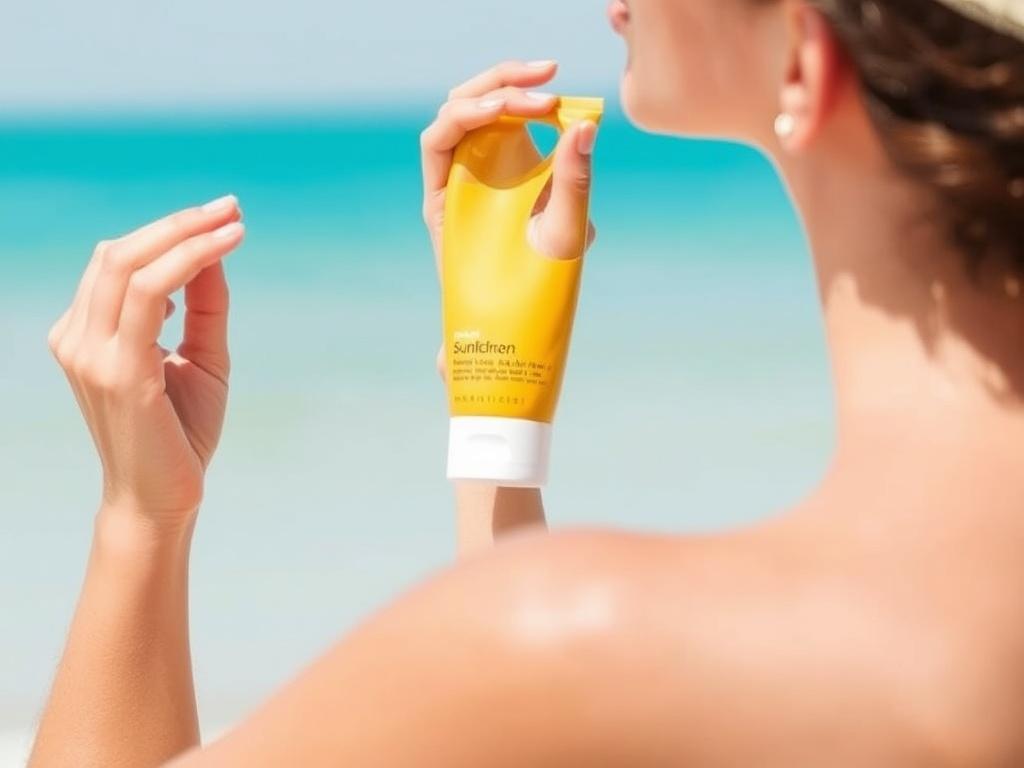
Two common sunscreen mistakes are skimping on quantity and skipping reapplication. Most people apply far less than the 2 mg/cm² standard used in lab testing, meaning labeled SPF may be significantly overestimated when used sparingly. Furthermore, reapplication is essential after sweating, swimming, or prolonged outdoor time, yet many people believe a single morning application suffices.
Use about a nickel-sized dollop for the face and more for exposed neck and décolletage. Reapply every two hours when outdoors, and immediately after swimming or sweating heavily. For daily use indoors, a morning application is a good baseline, and additional application is recommended if you expect to be outside for extended periods.
Makeup brushes and tools: breeding grounds for bacteria and irritation
Tools that touch your skin daily — sponges, brushes, razors — accumulate dead skin, product residue, and microbes. Using dirty tools can reintroduce bacteria to cleansed skin, provoke breakouts, and aggravate sensitive skin. Makeup sponges, when left damp, become fungal growth hotbeds if not cleaned and dried properly.
Wash brushes weekly with mild soap, deep-clean sponges after each use, and replace disposable tools regularly. For people with acne-prone or compromised skin, sanitize brushes with an alcohol-based spray before use and avoid sharing tools. Razor hygiene includes replacing blades frequently and drying razors to prevent rust and bacterial colonization.
Tight clothing, friction, and body acne
0
Clothes that rub or trap heat can cause acne mechanica — breakouts fueled by friction, pressure, and sweat. Sports bras, tight collars, and straps on backpacks create localized friction against the chest, back, and shoulders. Repeated rubbing compromises the skin barrier and may lead to inflamed papules or nodules.
Choose breathable, moisture-wicking fabrics for exercise; wash workout clothes after each session; and shift to looser garments when possible. For persistent body acne, targeted topical treatments such as topical benzoyl peroxide or salicylic acid formulations, along with gentle cleansing post-workout, can reduce incidence.
Not moisturizing enough — the myth that dry skin needs less product
Some people with oily skin avoid moisturizers out of fear they will worsen greasiness. Paradoxically, skipping moisturizer often prompts the skin to produce more oil to compensate, increasing shine and potentially fueling acne. A balanced moisturizer tailored to skin type supports barrier repair, reduces TEWL, and improves responsiveness to other treatments.
Light, oil-free gel moisturizers with humectants like glycerin or hyaluronic acid suit oily skin, while creamier formulations with ceramides and fatty acids help dry or compromised skin. Even acne-prone skin benefits from non-comedogenic, lightweight hydrators. Proper hydration is a cornerstone of healthy, resilient skin.
Mixing incompatible active ingredients
Combining potent actives without understanding interactions can provoke irritation and nullify benefits. Common problematic pairings include strong AHAs/BHAs with high-dose vitamin C or retinoids used simultaneously, which can irritate and sensitize the skin. Some ingredients, like benzoyl peroxide and tretinoin, can deactivate each other when applied together in certain formulations.
Layer actives thoughtfully: introduce one new ingredient at a time, observe for two to four weeks, and then add another. Use vitamin C in the morning for antioxidant protection and retinoids at night for renewal, or consult product instructions and a professional when combining potent actives. This careful approach preserves efficacy and reduces unnecessary inflammation.
Table: Common active ingredient interactions and how to use them safely
| Active Pairing | Risk | Safe Approach |
|---|---|---|
| Retinoids + AHAs/BHAs | Over-exfoliation, irritation, increased sensitivity | Use retinoids at night; alternate nights with AHAs/BHAs or use AHAs/BHAs in the morning with sun protection |
| Vitamin C + Niacinamide | Possible mild irritation in sensitive skin; historically thought to inactivate each other (largely disproven) | Layer vitamin C in the morning and niacinamide morning/night; use stabilized formulations |
| Benzoyl Peroxide + Retinoids | Potential oxidative degradation of tretinoin; irritation | Use in separate routines (BP in morning, retinoid at night) or consult combined formulations |
| AHAs + Vitamin C | Increased irritation, pH conflicts | Use vitamin C in the morning and AHAs at night, or choose lower concentrations |
Using old or contaminated products
Makeup and skincare have expiration dates for a reason. Over time, active ingredients lose potency and preservatives fail, allowing bacterial or fungal growth. Using expired creams, mascaras, or serums increases the risk of irritation and eye infections and decreases the intended benefits of the product.
Check expiration dates and observe any change in color, separation, or smell. Replace mascara every three months, and consider discarding products that have been open beyond their recommended lifespan. Store products in cool, dry environments to maximize shelf life and avoid storing them in the shower where heat and moisture accelerate degradation.
Hot showers and long baths: the draining effects on your skin barrier
A steamy hot shower feels luxurious but can strip natural oils and disrupt the lipid matrix. Extended hot-water exposure loosens intercellular lipids and ramps up TEWL, leaving skin dry and tight. For those with eczema or dry skin conditions, heat often triggers flares.
Make showers shorter and use warm rather than hot water. Afterward, apply moisturizer while skin is still slightly damp to lock in moisture. People with a history of atopic dermatitis should minimize bath time and use gentle, syndet-based cleansers formulated for sensitive skin.
Smoking, alcohol, and poor sleep: lifestyle gestures that show on your face
Smoking reduces blood flow and depletes oxygen and nutrients to the skin, while tobacco smoke exposes skin to free radicals that accelerate collagen breakdown. Alcohol dehydrates the body and causes vasodilation that can lead to persistent redness in some people. Chronic poor sleep impairs repair cycles and alters cortisol rhythms, promoting inflammation and slowing recovery.
Smoking cessation and moderation of alcohol intake improve skin quality over time. Prioritize consistent, restorative sleep, ideally seven to nine hours per night, and practice sleep hygiene to support circadian-regulated repair processes. Healthy lifestyle choices have broader health benefits and visibly improve complexion resilience.
Dietary habits and their cutaneous consequences
While skin is influenced by genetics and environment, diet plays a clear role. Diets high in refined sugars and ultra-processed carbohydrates can spike insulin and IGF-1, hormones linked to increased sebum production and acne. Insufficient omega-3 intake may shift the balance toward pro-inflammatory mediators, worsening redness and degenerative changes.
Prioritize vegetables, lean proteins, whole grains, and sources of omega-3s such as fatty fish, walnuts, or flaxseed. Some people notice improvements in acne with reduced dairy intake, though responses vary individually. Hydration matters as well: drink water consistently, but remember that hydration alone can’t overcome an otherwise unbalanced diet.
Ignoring patch testing and product introduction discipline
New skincare products often promise dramatic results, yet applying multiple new products simultaneously makes it impossible to identify an irritant. Patch testing new actives on a small area of skin for 48 to 72 hours reduces the chance of a full-face reaction and helps you understand tolerance.
Introduce one new product every two to four weeks. This conservative approach lets your skin adapt and gives you a clear read on any negative reactions. When reactions occur, stop the suspected product and prioritize barrier repair rather than compounding with more actives.
The role of stress and facial micro-expressions
Chronic stress elevates cortisol and can worsen inflammatory skin conditions such as acne, rosacea, and eczema. Beyond physiological effects, stress-induced facial micro-expressions — repeated furrowing of brows, squinting — can create dynamic lines that, over years, become static creases. While training oneself to avoid facial expressions is neither practical nor desirable, awareness of the relationship between stress and skin health encourages stress-management practices that benefit the complexion.
Incorporate breathing exercises, short mindfulness breaks, or physical activity into routines to mitigate stress effects. These practices reduce inflammatory signaling and may decrease the frequency of tension-related facial movements.
Poor hydration routines: drinking water vs. topical hydration
While overall hydration is important for health, the notion that drinking large volumes of water directly makes skin plumper is simplistic. Systemic hydration influences skin indirectly, but topical humectants and occlusives are the primary way to keep skin hydrated locally. Relying solely on drinking water and neglecting topical hydration means the skin barrier will still be vulnerable to TEWL.
Use products containing humectants (like glycerin and hyaluronic acid) to draw moisture into the skin, and follow with occlusives (like dimethicone, petrolatum, or plant oils) to seal it in. Balance systemic hydration with appropriate topical strategies for best outcomes.
Ignoring professional advice and DIY cosmetic procedures
At-home devices and DIY cosmetic procedures (aggressive chemical peels, microneedling without proper sterile technique, or unregulated lasers) can cause serious, long-term damage when used incorrectly. Skin professionals evaluate skin type, depth of concern, and procedural risks; bypassing professional assessment increases the risk of scarring, pigmentary disorders, and infection.
If you’re interested in advanced procedures, seek board-certified practitioners, ask about sterile technique and realistic recovery timelines, and follow pre- and post-care instructions meticulously. Conservative, certified treatments performed correctly are safer and often more effective than at-home shortcuts.
Environmental factors: pollution, indoor air, and climate control
Air pollution introduces airborne particulate matter and oxidants that accelerate aging and pigment formation by generating free radicals on the skin surface. Indoor environments with low humidity (from heating or air conditioning) dry out the skin and increase TEWL. Chlorinated pools and hard water leave mineral deposits that can irritate sensitive skin or exacerbate dermatitis.
Combat pollution by cleansing thoroughly in the evening, using antioxidants (topical vitamin C, niacinamide) in the morning, and applying protective barriers such as moisturizers and sunscreen. Use humidifiers in dry indoor environments and rinse off chlorine promptly after swimming. Filtering shower water can help in hard water areas to reduce mineral residue on the skin.
Overuse of topical corticosteroids and steroids by non-prescription

Topical corticosteroids are effective for many inflammatory dermatoses but misusing them — using potent steroids on the face for prolonged periods — causes steroid-induced atrophy, telangiectasia, and rebound dermatitis. Over-the-counter or unregulated steroid creams are sometimes misapplied to treat redness or acne, worsening the problem over time.
Use topical steroids only under medical guidance, with clear instructions about potency, duration, and tapering. If you suspect steroid dependence or misuse, seek dermatologic help for safe withdrawal strategies and alternative anti-inflammatory therapies.
Mechanical shaving mistakes and dermal injury
Shaving can cause microtears, razor burn, and ingrown hairs, particularly when done dry, with dull blades, or against the grain. For men and women who shave facial hair, improper technique increases the risk of post-shave hyperpigmentation and pseudo-folliculitis.
Shave with a sharp blade, use adequate lubrication (shaving cream or oil), shave in the direction of hair growth, and replace blades regularly. Consider single-blade razors or electric shavers for sensitive skin. After shaving, soothe skin with a gentle, alcohol-free aftershave or antiseptic and apply a reparative moisturizer.
Perfumes and fragranced detergents: stealth irritants
Detergents and fabric softeners that leave fragrant residues on clothing or bedding can trigger contact dermatitis in sensitive individuals. Perfumes in skin products may also provoke allergic reactions or chronic irritation when applied repeatedly.
If you notice itching, redness, or consistent irritation localized to areas in contact with clothing, consider switching to fragrance-free laundry products and personal care items. Patch testing with a dermatologist can identify specific allergens when reactions persist.
Not adjusting routines with seasons and aging
Skin needs change with seasons and across decades. In winter, humidity drops and barrier support becomes more critical; in summer, lighter hydrating layers and higher sun protection are essential. Aging skin benefits from ingredients that stimulate collagen and target thinning, while younger skin may focus more on oil control and acne management.
Failure to adapt products leads to mismatches: heavy creams in summer causing congestion, or overly stripping formulations in winter causing flaking. Build a flexible routine with core products and seasonal swaps to match current needs.
Table: Quick reference — gestures that harm skin, why they matter, and easy fixes
| Gesture | What it does to skin | Simple fix |
|---|---|---|
| Touching face frequently | Spreads bacteria; causes irritation | Use tissues; sanitizer for hands; awareness breaks |
| Picking acne | Infection, scarring | Use hydrocolloid patches; consult pros |
| Rubbing eyes | Breaks vessels; accelerates lines | Use cool compresses; lubricating drops for dryness |
| Hot showers | Strips oils; increases TEWL | Use warm water; moisturize on damp skin |
| Not reapplying SPF | Cumulative UV damage | Apply every 2 hours outdoors; daily SPF |
| Sleeping on side/stomach | Sleep lines; friction | Use silk pillowcase; try to sleep on back |
| Using dirty brushes | Reintroduces microbes; clogging | Wash tools weekly; sanitize |
| Over-exfoliation | Barrier damage; sensitivity | Limit frequency; focus on repair |
| Applying strong actives together | Irritation; reduced efficacy | Introduce slowly; use in separate routines |
| Sleeping with makeup | Clogs pores; prevents repair | Cleanse thoroughly nightly; double cleanse if necessary |
Practical daily checklist: a simple routine to minimize damage
Change becomes manageable when you break it down. Use this short checklist to protect your skin without overcomplicating mornings and evenings.
- Morning: cleanse gently, apply antioxidant serum (optional), broad-spectrum SPF 30+.
- Throughout the day: avoid touching your face; sanitize phone and hands when possible.
- Evening: remove makeup; cleanse gently; apply treatment products as needed (retinoid, exfoliant on alternate nights); finish with a moisturizer that supports barrier repair.
- Weekly: wash makeup brushes and towels; exfoliate moderately depending on tolerance.
- Lifestyle: prioritize sleep, hydrate, reduce smoking and excess alcohol, and maintain a balanced diet.
When to see a dermatologist: warning signs you shouldn’t ignore
Many skin problems respond to better habits, but certain signs require professional evaluation. Seek medical advice if you experience persistent or spreading rashes, rapidly changing moles, intensely itchy or painful lesions, recurrent infections, hair loss, or severe acne that doesn’t respond to over-the-counter measures.
A dermatologist can diagnose underlying conditions, guide the safe use of prescription-strength topicals, perform in-office procedures when warranted, and offer personalized plans that address both symptoms and root causes.
What to prepare for your appointment
- List of current products and medications, including supplements.
- Photos that document the progression of the issue.
- Notes on what seems to make the problem better or worse.
Case studies: realistic examples of habits to change
Case 1: A woman in her early 30s with intermittent acne habitually touched her face during long work calls, pressed her phone to her cheek, and showered with very hot water each evening. Her routine perpetuated sebum spread and barrier stripping. By shifting to speakerphone or a headset, lowering shower temperature, and using a gentle cleanser with a lightweight, non-comedogenic moisturizer, she saw fewer lesions and less irritation within two months.
Case 2: A man in his 50s who was an avid driver noticed more lines and discoloration on the left side of his face. He avoided daily SPF because he said he was “mostly indoors.” After installing a UV-blocking film on his driver-side window, applying SPF every morning, and using a nightly retinoid under dermatologic supervision, his skin texture improved and further uneven sun damage slowed.
Mindful living for skin longevity: subtle habits with big payoffs
Long-term skin health is the sum of many small habits. Mindfulness — noticing when you rub your eyes, recognizing the urge to pick, or remembering to reapply sunscreen — translates into fewer micro-insults to the skin. Small, sustainable changes beat occasional radical interventions that stress the skin. Adopt practices that are pleasant enough to stick with: a soothing evening ritual, an attractive sunscreen, a favorite silk pillowcase, or a pocket-sized sanitizer to reduce face touches.
Integrating these habits into a lifestyle rather than a chore creates an environment where the skin can repair and thrive. The payoff is not only a healthier complexion but also less time spent treating avoidable problems down the road.
Summary: the invisible cost of everyday gestures and how to reverse them
Many of the gestures that damage skin are small, unconscious, and socially embedded: touching your face while nervously speaking, rushing the cleansing step at night, or grabbing a hot shower to wake up. Each gesture contributes a tiny fraction of damage, but the accumulation is real. The good news is that reversing or preventing most of this damage requires modest, achievable shifts rather than radical overhauls.
Focus on barrier support, sun protection, gentle handling, and thoughtful use of active ingredients. Keep tools and devices clean, adapt routines to seasons and your skin’s current condition, and seek professional advice when reactions are severe or persistent. With consistent care and a few mindful adjustments, you can dramatically reduce the everyday wear-and-tear on your skin and preserve its health and radiance for years to come.
Resources and further reading
For readers who want to go deeper, look for reputable resources from dermatology associations, peer-reviewed journals, and board-certified dermatologists. They offer detailed guidance on sun protection, ingredient science, acne management, and safe aesthetic procedures. Avoid anonymous blogs promoting quick fixes and unproven “miracle” products without evidence.
If you’re ready to make changes, start with one habit from this article, integrate it into your routine for a month, and then add another. Small, consistent wins are the most reliable path to healthier skin.