SQLITE NOT INSTALLED
Every year brings a fresh rearrangement of ideas for hair: some styles re-emerge, others evolve, and a few surprise us by sticking around longer than anyone expected. This year’s landscape mixes deliberate naturalness with bold decorative choices, offering cuts and colors that feel both personal and unmistakably modern. Whether you love low-maintenance shapes or dramatic color experiments, the thread running through the season is intention—how a cut or shade frames your face, suits your lifestyle, and expresses a version of you you’re excited to wake up to.
In the pages that follow, I’ll walk through the biggest cuts and color techniques gaining traction: the new takes on classics, the clever hybrids that stylists are offering, and the practical side of living with a trend—upkeep, products, and when to see a pro. You’ll find comparisons, quick-reference tables, and checklists to help you choose and maintain a look. Read with curiosity; there are options for every texture, every budget, and every personality.
This guide is shaped by what’s visible on runways, social feeds, and in salon chairs—filtered through a practical lens. Expect concrete details: why a cut flatters certain face shapes, what a particular color technique does to hair health, and step-by-step notes for a successful consultation with your stylist. Think of this as a friendly salon conversation that covers both inspiration and real-world decisions.
What Defines This Year’s Hair Trends?
0
If you try to summarize the year in a single sentence, you might say: versatility rules. That means shapes that can be lived in—styled up or down—alongside colors that work with natural growth rather than fighting it. The aesthetic is less about “perfect” and more about a polished version of comfortable: hair that looks intentional even when it feels effortless. Texture is emphasized, layers are thoughtfully placed, and color tends to play off natural tones rather than masking them completely.
Another clear direction is personalization. Stylists are pushing individualized variations—micro-bangs tailored to brow shape, bespoke layering for density, and color placements designed to highlight facial features. This isn’t about slavishly copying an influencer’s photo; it’s about translating an idea into something that matches your proportions, hair type, and daily routine. The best trends this year aren’t trends at all when they’re done well: they become a custom haircut or color that belongs to you.
Finally, there’s a practical influence: sustainability and hair health. Consumers want longer-term value from their salon visits. That means techniques that reduce the need for frequent touch-ups, products that are gentler and more eco-aware, and a greater emphasis on scalp care. The best looks are those that respect the hair’s integrity and fit with a lifestyle, not just the moment.
Major Cut Trends
Cut trends this year move between structured geometry and soft, lived-in shapes. The balance between precision and texture is the core story: a sharp bob paired with feathered ends, a blunt line that softens with a carefully placed layer, a pixie whose edges are texturized rather than rigid. Below are the most visible cuts and how they’re being interpreted now.
The Return of the Bob
The bob has reasserted itself as a wardrobe staple, but it’s not a single fixed look. Stylists are delivering everything from chin-length, face-framing versions to long, collarbone-grazing “lob” shapes. What’s new is the attention to movement: subtle internal layers, slightly rounded lines at the nape, and finishing techniques that allow the cut to sit differently depending on the styling product. The result is a bob that grows out gracefully and can be worn sleek, tousled, or tucked behind the ears.
For those with fine hair, the modern bob often includes blunt weight at the ends for visual density, while thicker hair benefits from internal thinning to avoid a bulky silhouette. Bangs—curtain or wispy—are frequently paired with bobs to soften angles and add a flattering vertical line. A bob’s versatility means it suits many face shapes when tailored: it can shorten a long face or lift a round one, depending on length and layering.
Pixie and Short Textured Cuts
Short hair is back with confidence. Pixies this season favor texture over polish: razor-pointed ends, disconnected fringes, and choppy crown layers that work without constant blow-drying. The emphasis is on movement and dimension; stylists are using point-cutting and texturizing shears to create a lived-in feel that reads as edgy but wearable.
Short cuts also pair well with color experimentation. A bold shade at the crown or a subtle shadow root can add depth and make short hair read as sophisticated rather than severe. For people who prize speed and low fuss in their morning routine, the textured pixie is a practical and stylish option that complements strong bone structure and highlights facial features like the jawline and neck.
The Modern Shag
The shag has been evolving for a few seasons and this year it’s a dominant silhouette. Think lots of layers, feathered ends, and a soft, rounded crown that gives height without stiffness. The contemporary shag moves away from extreme ‘70s revival and leans into a more adaptable form—less costume, more everyday cool. It suits a range of lengths and works with natural curl and wave, which helps it read as effortless.
Shags are excellent for those who want texture without heavy styling. The cut is built to look good with some product—sea salt spray, mousse, or a light cream—to enhance separation and reduce flatness. Because the layers are strategic, shags can also be tuned to balance facial proportions; longer pieces around the face can slim while shorter layers add volume where needed.
Long Layers and Curtain Bangs
For those who prefer length, the trend is movement through layers rather than dramatic weight removal. Soft long layers add swing and prevent the “dead weight” look that can occur when hair grows out evenly. Curtain bangs remain popular because they frame the eyes while growing out gracefully—an appealing trait for people who want a hint of change without commitment to full bangs.
Long layered cuts work across textures: they allow curls to show rhythm and give waves the chance to cascade. Layers must be proportioned to hair density to avoid creating a triangular silhouette. When done right, this look reads as timeless yet modern, and it accommodates a variety of color placements, from face-framing highlights to subtle depth along the mid-lengths.
Blunt Cuts and Geometric Precision
On the opposite side of texture-driven styles, some are embracing clean lines. Blunt cuts—whether at the jawline, collarbone, or mid-back—create striking silhouettes that appear deliberately bold. The current twist is combining blunt edges with softened surfaces: a razor-polished line with lightly feathered internal layers so the cut doesn’t feel too harsh.
Geometric precision works particularly well with straight or slightly wavy hair. It emphasizes the finish, meaning styling products and tools must support the line rather than blur it. People choosing a blunt cut often treat it as an architectural element of their look—it makes a statement and anchors the color choices that accompany it.
Undercuts and Asymmetry
Undercuts and asymmetrical shapes continue to appeal to those looking for personalization. Subtle undercuts hidden beneath longer top layers allow for lowered bulk and cooler scalp temperature without showing when you let your hair down. More graphic undercuts—visible designs shaved near the nape—are a way to combine a conservative top layer with a playful secret.
Asymmetry, whether through a long-to-short bob or an angled fringe, adds visual interest and modernity. It’s a strategic choice for people who want an edge without committing to an all-over short length. These shapes benefit from periodic trims to maintain the intended angles and avoid an unintentional uneven look.
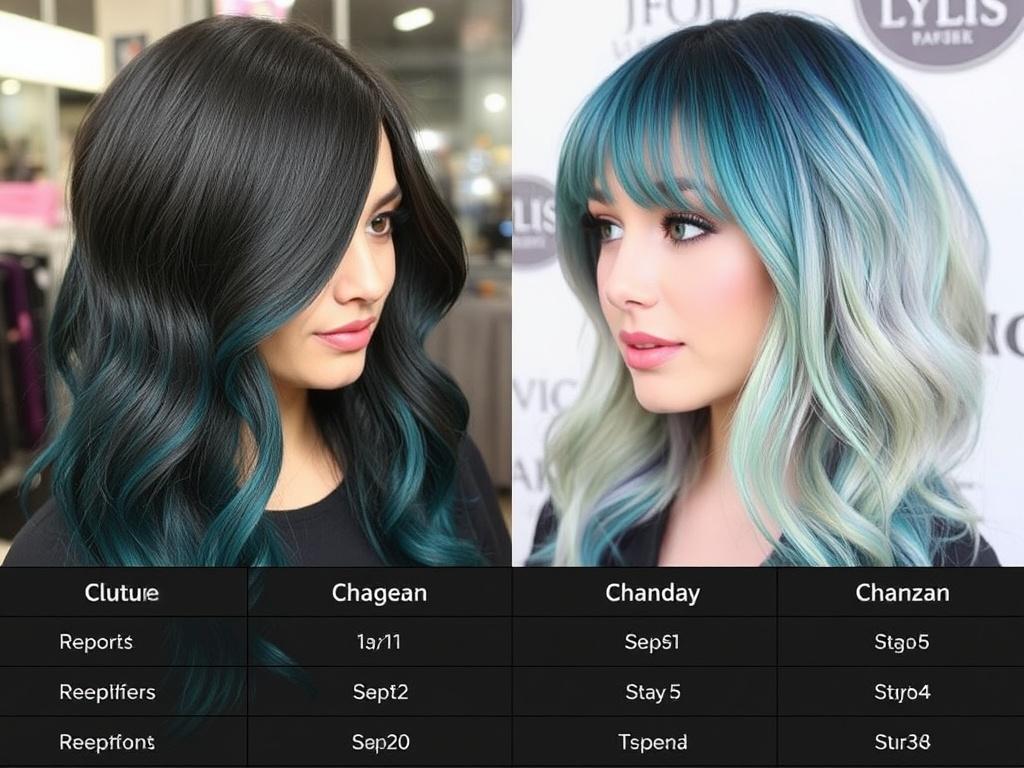
Cut Comparison Table
| Cut | Best for Face Shapes | Maintenance | Styling Time |
|---|---|---|---|
| Bob (classic/lob) | Oval, heart, long | Medium; trims every 6–10 weeks | 10–20 min (blowout or air-dry with product) |
| Pixie | Oval, round, square | High; frequent trims (4–6 weeks) | 5–10 min (texturizing product) |
| Shag | All, especially round and heart | Low–medium; trims to keep layers | 5–15 min (scrunch or diffuse) |
| Long layers | Oval, square, round | Low; trim every 8–12 weeks | 5–30 min depending on styling |
| Blunt cut | Oval, round | Medium; precision trims recommended | 15–30 min (flat iron or smoothing) |
| Undercut/Asymmetry | All, tailored | Medium–high; maintain shaved areas | Variable; 5–20 min |
Color Trends
Color this year is about flattering lightness and color placement that complements growth. Techniques lean into dimension and subtlety, but vivid experiments keep appearing as accents. From sun-kissed warmth to icy silver and painterly pastels, color choices are being driven by a desire for longevity and adaptability.
Balayage and Natural Dimension
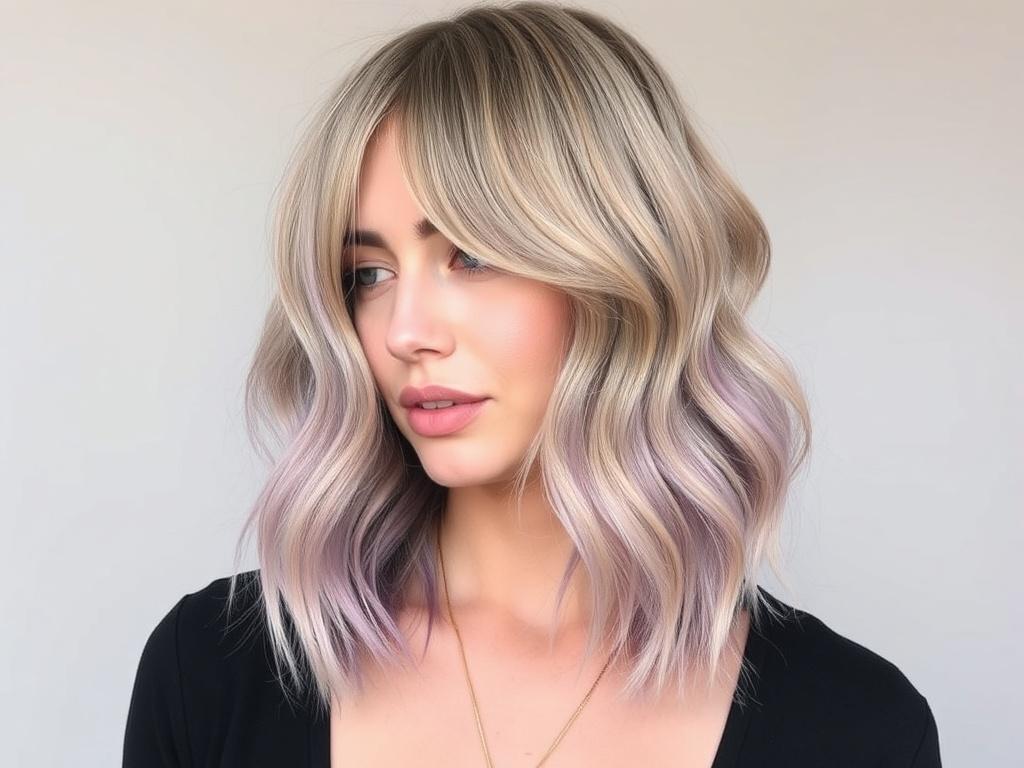
Balayage remains a go-to because it offers a lived-in look with soft regrowth lines. What’s new is the micro-balayage approach—fine strokes placed for natural sun-catching rather than broad, obvious highlights. The goal is dimension without drastic contrast, allowing for longer time between touch-ups and a more natural fade.
Balayage is particularly effective for people who prefer low maintenance. It works on many base colors as long as the colorist considers the natural tone and undertone of the hair. Well-executed balayage brightens without looking overtly processed and complements cuts like the shag or long layers where movement enhances the color.
Rooty and Grown-Out Looks (Root Stretching)
“Rooted” looks and intentionally grown-out color have moved from necessity into style. Root stretching techniques preserve a darker root and create a gradient that doesn’t demand frequent salon visits. The result is an elegant, lived-in aesthetic that often looks more authentic than a full-salon touch-up every month.
This approach is especially convenient for busy people or those trying to minimize chemical processes. It also pairs well with darker and warmer palettes, allowing the natural base to complement highlighted midlengths and ends. Rooty looks can be subtle or dramatic depending on the blend and lightening level, and they tend to soften over time into attractive, low-effort dimension.
Vivid Colors and Pastels
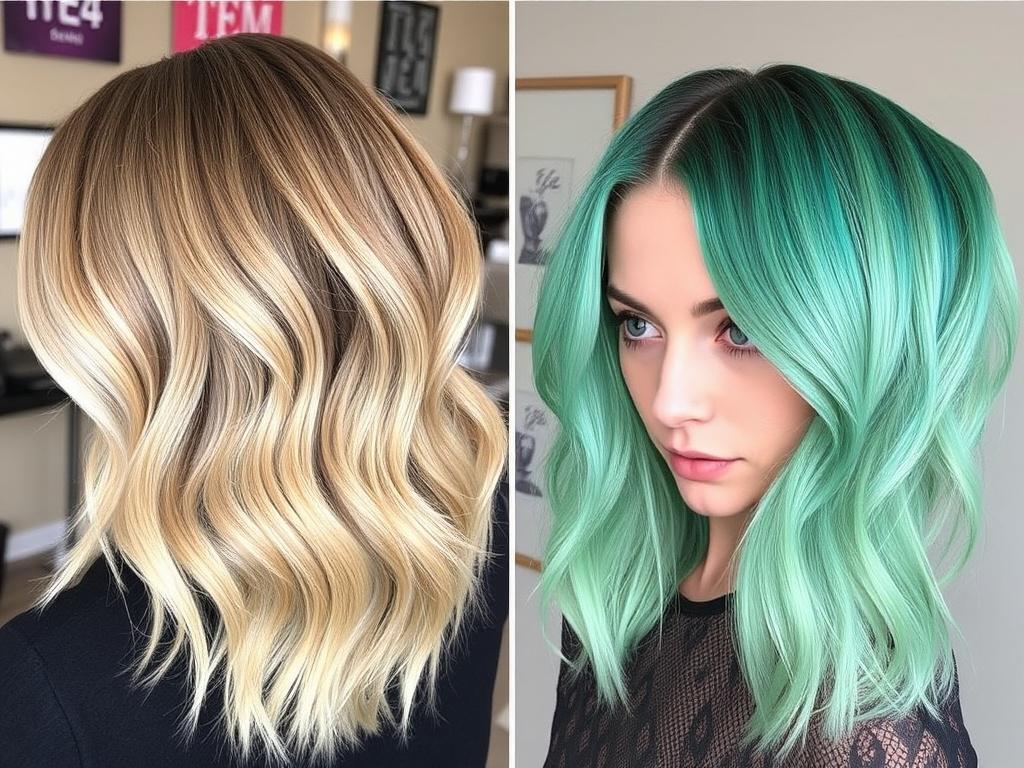
There’s no shortage of bold experimentation. Vivid shades—electric blues, magentas, and neon greens—remain popular on social platforms, but they’re most often used as accents: peek-a-boo sections, underlayers, or face-framing streaks. Pastels are also trending, especially when used subtly or blended into a balayage to create a soft tint rather than a block-color effect.
The practical side of vivid colors needs attention: these shades require pre-lightening, more frequent color refreshes, and a regimen of color-safe care. Many embrace vivid hues as a temporary expression—semi-permanent dyes or toning overlays that fade gracefully over weeks—so you can experiment without long-term commitment.
Money Piece and Face-Framing Highlights
The “money piece”—lighter strands around the face—continues to be one of the most flattering coloring techniques. It’s a simple concept with a powerful effect: strategically brightened sections that illuminate the face. This placement enhances cheekbones and eyes and pairs well with various cuts from bobs to long layers.
Face-framing highlights can be subtle or bold. When done thoughtfully, they lift the complexion and create an instant freshening effect without an all-over lightening. Because these highlights are concentrated, they’re easy to maintain and can be refreshed selectively.
Silver, Grey, and Icy Tones
Grey and silver shades have graduated from being a niche to mainstream. Some people embrace their natural greys and opt for “silver-gloss” toning to enhance shine and reduce brassiness. Meanwhile, icy blondes and cool platinum remain sought after, though they require careful maintenance and toner work to avoid yellowing.
For those not naturally inclined toward silver, stylists often recommend a gradual approach—introducing ashy balayage or soft lowlights before committing to full platinum—to gauge how the hair responds. These cool tones work best with products that seal the cuticle and protect against environmental oxidation.
Warm Brunettes and Chestnut Revival
There’s a rich turn to chestnut and warm brunette shades this year. Colors with caramel and copper undertones add depth without the high upkeep of lighter shades, and they complement the increasingly popular rooty looks. Warm brunettes read as polished and natural and are flattering on many skin tones.
Colorists are using tonal glosses to boost shine and dimension in these shades, creating a salon-reflective depth that looks healthy and multifaceted. The result tends to be elegant and wearable—especially for people wanting an autumnal warmth year-round.
Color Technique Comparison Table
| Technique | Look | Upkeep | Damage Risk |
|---|---|---|---|
| Balayage | Sun-kissed, dimensional | Low–medium; refresh every 3–6 months | Medium; lightening required |
| Root Stretching | Lived-in gradient | Low; touch-ups less frequent | Low–medium |
| Vivid color | Bold, bright accents | High; frequent color refresh | High; requires lifting |
| Money Piece | Face-brightening highlights | Medium; targeted touch-ups | Medium |
| Silver/Icy | Cool, reflective blonde | High; toning and purple shampoos | High |
| Warm brunette | Rich, glossy depth | Low–medium; color glaze | Low |
Texture and Styling Techniques
Texture is the year’s unsung hero. Cuts are being designed to amplify natural wave and curl patterns rather than mask them. Heat tools are still central to many looks, but heatless methods and products that enhance natural texture have become mainstream. Below are practical styling directions that pair well with contemporary cuts and colors.
Heatless Styling Methods
Heatless techniques reduce damage and can produce beautiful, soft results. Popular techniques include braiding damp hair for waves, twisting sections with mousse to encourage curl, using foam rollers on slightly damp hair, and overnight pin curls. These methods work particularly well with the shag and layered cuts that benefit from gentle disruption rather than structured heat-set waves.
To get reliable outcomes with heatless styling, start with the right base product—light mousse for hold or a texturizing spray for separation—and allow hair to dry completely before removing the styling apparatus. Finish with a light oil or serum on the ends to control frizz and add shine. The payoff is visible: soft texture, minimal heat damage, and a look that feels modern and effortless.
Blowouts and Diffused Volume
Blowouts remain a go-to for polished volume. The technique matters: round brush at the roots, controlled tension through mid-lengths, and a cool blast to set. Diffusers are the tool of choice for curly and wavy textures—used thoughtfully, they capture natural curl shape while minimizing frizz and maximizing definition. Lightweight creams and curl enhancers help to keep the hair hydrated and bouncy after drying.
For a modern twist, stylists are mixing techniques: a root-lift blowout combined with a hands-off mid-length finish, or a sleek top with textured ends. This contrast between smoothed roots and textured lengths plays well with the layered cuts and bobs that define the season.
Slick Wet Looks and Polished Finishes
For evenings or fashion-forward moments, the wet look—slicked back or side-parted—provides a dramatic, high-shine contrast to everyday texture. Gel formulas have improved, offering flexible hold without sticky residue. A slick look can also highlight sharp cuts: a blunt bob, for example, becomes even more graphic with a polished wet finish.
Polished finishes also include smooth top layers with textured ends. The trick is to use anti-frizz serums at the root-to-mid-length and a light spray to keep the ends airy. This combination keeps the look contemporary: structured where it needs to be, free where it helps movement.
Beach Waves and Loose Curls
Beach waves are evergreen and this year they lean toward a looser, more natural interpretation. The method often involves a medium-barrel wand used in alternating directions, finished with a sea-salt spray or dry texturizer. Loose curls are favored when paired with the modern shag or long layers, emphasizing shape without appearing overstyled.
Maintaining this look is less about perfection and more about dimension—adding a few strategically placed highlights or lowlights helps the waves catch light in a flattering way. For curly hair, embracing the natural core pattern and using curl custards or light gels delivers a similar aesthetic without forcing a heat-created wave.
Styling Tools and Product Suggestions (Practical List)
- Round brush (medium and large) for volume and smoothness
- Diffuser attachment for curly and wavy hair
- Medium-barrel curling wand for beachy waves
- Lightweight mousse for lift and hold
- Sea-salt spray or texturizing spray for separation
- Heat protectant spray to guard color and integrity
- Silicone-free hair oil for ends and frizz control
- Purple shampoo or silver toner for cool blondes and greys
- Sulfate-free, color-safe shampoos and conditioners
Hair Health, Maintenance and Sustainability
Looking good starts with hair that’s strong and healthy. This year, that means prioritizing the scalp as part of beauty routines and approaching color with preservation in mind. A vibrant color and a chic cut lose impact if the hair itself looks dry or over-processed. A few thoughtful measures can protect investment and extend the life of trendy looks.
Scalp care starts with gentle cleansing and occasional exfoliation—products that remove buildup without stripping natural oils. Scalp serums and light oils used sparingly can calm flaking or irritation and support a healthy environment for hair growth. Conditioning treatments should be regular: deep masks once a week or a rich leave-in applied to the ends will maintain elasticity and shine.
When coloring, discuss bond-building treatments with your colorist. These services aim to minimize breakage during lightening and help the hair retain structure. At home, using sulfate-free, color-safe products prevents premature fading, and cooler water helps keep the cuticle sealed. For those who color frequently, trimming every 6–8 weeks prevents split ends from traveling up the shaft.
Eco-Conscious Choices
Sustainability is more than a buzzword. Look for salons that prioritize responsible disposal of chemicals, water-efficient washes, and brands that use recycled packaging or ethically sourced ingredients. Many haircare companies now publish ingredient transparency and carbon impact; choosing these brands helps align beauty routines with broader environmental values.
At home, reduce waste by using concentrated shampoos, reusable applicators, and refillable product formats. And consider frequency: if your color technique allows, stretch out touch-ups and embrace styles that accommodate natural growth. That’s not just economical; it’s kinder to hair and the planet.
Color and Care: Maintenance Checklist
- Use a color-safe shampoo and conditioner every wash.
- Apply a weekly deep-conditioning mask or an at-home bond builder.
- Use purple or blue shampoos for cool tones as needed (once a week to maintain tone).
- Protect colored hair from sun exposure with hats or UV-protective sprays.
- Rinse with cooler water to help seal the cuticle and reduce fading.
- Schedule glosses or toners every 6–10 weeks to refresh shine and tone.
- Trim every 8–12 weeks to prevent split ends from worsening.
- Minimize heat styling and always use a heat protectant when you do.
How to Choose a Trend That Fits You
Choosing a new cut or color should feel empowering, not panicked. Start with the practical side: how much time do you want to spend styling, and how often are you willing to visit the salon? Your face shape, hair density, and natural texture should guide choices more than a trend image. A look that requires daily blowouts may be brilliant for someone who enjoys styling; for others, a low-maintenance shag or root-stretched color will be the better match.
Consider your personal wardrobe and the message you want your hair to convey. A blunt geometric bob reads sleek and intentional; a shag says relaxed and creative; a money piece highlights the face and draws attention. Think about your job and lifestyle too: certain dramatic colors or sharply undercut styles may be harder to navigate in conservative workplaces, while some workplaces embrace creative expression.
Don’t forget to factor in seasonal changes: humidity, dry winter air, and sunlight can all affect both cut and color behavior. If you live in a humid climate and gravitate toward sleek lines, be prepared for frizz-control routines. If your lifestyle includes lots of outdoor time, sun-protective measures for blonde or vivid color are essential.
A Practical Checklist For Choosing a Cut or Color
- Assess your daily styling time and willingness to maintain the look.
- Identify your natural hair texture and density.
- Consider face shape and desired focal points (eyes, cheekbones, jaw).
- Decide how often you’ll visit the salon for color touch-ups or trims.
- Check whether your workplace or social life supports dramatic changes.
- Plan for a transition: start gradual if you’re experimenting with radical change.
- Bring clear reference photos showing different angles to your consultation.
DIY vs Salon: When to Try It at Home
DIY coloring and cuts have their place—root touch-ups, glosses, and small trims can be done at home with care. But structural changes, major lightening, and corrective color work are best left to professionals. Home dye kits can be effective for minor adjustments, but the risk of uneven results, unexpected undertones, or damage increases with the level of lift required.
Consider a DIY approach for: small color refreshes, deep-conditioning treatments, simple trims to remove split ends, or experimenting with temporary colors. Leave these to the pros: multi-level lightening, platinum blonding, complex balayage, or anything requiring balancing of tone across several shades. A trained colorist has the tools to predict how hair will react and to protect hair integrity during aggressive processes.
When to Call a Professional
- You want to go significantly lighter or switch from dark to light.
- You’re correcting a previous color mishap or uneven dye job.
- You want a major cut change that alters volume or shape.
- You’re using high-lift lightening or seeking vivid, long-lasting color.
- You want to combine techniques like balayage with a precision cut.
Cost, Time and Styling Commitment Table
| Look | Estimated Salon Cost | Salon Time | Weekly Styling Commitment |
|---|---|---|---|
| Balayage + Lob | Medium–High | 2–4 hours | 10–30 minutes |
| Textured Pixie | Low–Medium | 1–2 hours (plus frequent trims) | 5–15 minutes |
| Platinum Blonde | High | 4+ hours, sometimes multiple sessions | 30+ minutes; toning weekly |
| Shag with Money Piece | Medium | 2–3 hours | 5–20 minutes |
| Warm Brunette Gloss | Low–Medium | 1–2 hours | 5–10 minutes |
Celebrity and Street-Style Inspirations
Trends often ripple from runways and celebrity red carpets into everyday streets. This year, runway experimentation emphasized texture and the interplay of matte and glossy finishes—designs that translate well into wearable salon versions. Social media influencers continue to accelerate micro-trends such as the money piece and vivid underlayers, while street style shows how looks perform in real life: mobility, weather, and daily wear reveal which trends have staying power.
Rather than chase a photograph of a perfect celebrity look, use those images as starting points. Notice how a celebrity’s stylist adapts color to their skin tone or changes length to match proportions. Translate those choices into requests for specific placements of highlights, the depth of a root, or subtlety of a fringe. A good stylist will turn that inspiration into something tailored, not a copy-paste.
Seasonal Variations and Forecast
Seasons influence both cut and color. Spring and summer invite lighter notes—sun-kissed balayage, airy layers, and worn-in blonde accents—while fall and winter favor deeper hues like chestnut brunettes and richer lowlights. However, the overarching tendency is toward transitional looks that work across seasons: a root-stretched color that softens in warmth but remains flattering through cooler months, or a layered cut that can be styled more conservatively for winter and tousled for summer.
Forecasting further ahead, expect continued personalization and techniques that emphasize hair health. As tools and products improve, trends will likely skew toward styles that accommodate natural growth and minimize frequent chemical intervention. This feels like a correction of earlier trends that demanded constant maintenance and, in many cases, damaged hair in pursuit of a momentary look.
Step-by-Step Guide: Booking a Salon Consultation
A good consultation is your best investment. Treat it like a conversation about what you want, what your hair can do, and how to get there with minimal stress. Here’s a practical roadmap to make that meeting useful and efficient.
Before the Consultation
- Collect a range of photos showing the look from different angles.
- Note how much time you want to spend styling daily.
- Be honest about past color treatments and the condition of your hair.
- Bring a product list of what you currently use, especially if you have color-safe or specialized formulas.
During the Consultation
- Explain your lifestyle and maintenance preferences.
- Discuss realistic outcomes based on your hair’s starting point.
- Ask about the number of sessions for big changes and whether bond-building treatments are recommended.
- Request a maintenance plan and product recommendations tailored to your budget.
- Ask the stylist to show how the cut will grow out and what you can do between visits.
After the Consultation
Follow through with the recommended products and the suggested appointment cadence. If the stylist proposes multiple sessions, prioritize hair health—gradual changes typically yield better long-term results than one aggressive transformation. Keep communication open: if something feels off after the first wash or two, call the salon for a quick adjustment rather than letting a small issue grow into a larger one.
Common Questions and Practical Answers
People often worry about three things: “Will this suit my face?”, “How much will upkeep cost?”, and “Can I reverse it if I don’t like it?” Face shape is a guideline, not a rule—texture, density, and personal style often matter more. For costs, expect to pay more for multi-step color services and less for simple glosses or trims. Reversibility depends on the process; colors that require significant lifting are harder to revert without additional salon work, while temporary shades and glosses wash out more easily.
One solid principle: start with a small change if you’re unsure. Add a money piece, try a deep gloss, or get a micro-bang. These moves allow you to gauge reaction and commitment before taking bolder steps. If you do commit to a dramatic color or cut, invest in the recommended at-home care—skipping maintenance tends to be the real source of disappointment.
Trend Adaptations for Different Hair Types
Different textures need different approaches. Curly hair benefits from cuts that respect the curl pattern—short layers that encourage spring and shape rather than blunt lines that can create a boxy look. Fine hair often needs weight strategically placed at the ends to simulate fullness, while thick hair requires internal shaping to remove excess bulk without losing body. When it comes to color, porous or previously treated hair will react differently to lightening, so always allow for a measured process.
Here’s a succinct guide: embrace a layered shag or long layers for natural curl; consider blunt or slightly weighted bobs for fine hair; opt for precision cuts with careful thinning for dense hair. For color, choose glosses, root stretches, or low-commitment highlights for porous hair, and save aggressive lightening for when the hair’s condition is thoroughly assessed and optimized.
Trends to Watch (and Which to Skip)
Watch: strategic color accents like the money piece, soft low-maintenance balayage, and cuts that celebrate texture. These moves are practical, flattering, and accessible to many. Skip—or at least approach cautiously—extremely high-maintenance platinum if you aren’t prepared for weekly toning and frequent trims, and avoid overly dramatic undercuts if your workplace or professional image requires conservative presentation.
Trends come and go, but those rooted in personalization and preservation have staying power. When a trend enhances what you already have rather than forcing your hair into a template, it’s worth exploring.
Final Notes: Making the Trend Your Own
Hair is an intimate form of self-expression. Trends are useful because they offer ideas and directions, but the best decisions combine those ideas with a clear sense of your hair’s strengths and your daily life. Prioritize health, consult a trained colorist for complex changes, and don’t be afraid to test a trend in small doses. A subtle money piece, a refreshed lob, or a soft warm gloss can transform your look without demanding a complete lifestyle overhaul.
Above all, hair should be fun and flexible. Trends are invitations, not rules. Treat them as starting points and collaborate with your stylist to craft a look that feels like you—now, and in the months when growth and life will change it. When a style fits your face, your routine, and your personality, you’ll know: it will feel less like following fashion and more like discovering a flattering version of yourself.