SQLITE NOT INSTALLED
There’s a quiet power in appearing like you woke up already put together. That apparent ease — skin that breathes, cheeks with a hint of color, brows that are defined but not painted on — is the essence of the “no make-up” make-up. This article is your companion into that world: practical, design-minded, and wholly focused on making beauty feel honest rather than theatrical. We’ll explore the why, the how, and the what-to-avoid, with step-by-step routines, product choices, and sustainable tips so you can create looks that sit naturally on your face and in your life.
What is “No Make-up” Make-up?
At its core, “no make-up” make-up is about enhancing features without announcing the presence of cosmetics. It doesn’t aim to erase identity or mask personality; it aims to subtly polish, to emphasize what’s already there. Think of it as design with restraint: conceal where you want softness, reveal where you already glow, and tidy up proportions without creating new ones.
Because the look is intentionally subtle, technique matters more than brand names or heavy layers. Blend, tone, and sheer are prioritized. This approach is less about covering skin and more about collaborating with it — respecting texture, undertone, and unique features. When done well, the result reads as healthy skin, not makeup.
Why people choose this look
Many choose a no-make-up aesthetic because it aligns with lifestyles that value efficiency and authenticity. Others prefer it because their daily environment restricts heavy makeup or because they want to accentuate, rather than obscure, natural aging and facial expressions. It’s also a practical choice for photography and video, where heavy layers can read as artificial under different lights.
But beyond logistics, the appeal is psychological: when makeup reads understated, the focus shifts to expression, smile, and movement. That shift often feels liberating — a way to participate in beauty culture without feeling overcommitted.
Philosophy and Principles
There are guiding principles to make the “no make-up” approach consistently successful. These principles keep the routine efficient and the finish convincing.
- Less is selective: Choose strategic areas for correction and enhancement rather than covering the whole face.
- Texture-first: Preserve skin texture by using lightweight formulas and minimal powder.
- Color harmony: Use shades that mimic natural undertones and the subtle flush you get from blood flow, not colors that create contrast.
- Layer smartly: Thin layers of product offer more control than heavy application; you can always build where necessary.
- Tools over force: The right brush, sponge, or fingertip can make blending seamless and intentional.
How to measure a successful no-makeup result
Ask three questions after finishing: Does the skin still look like skin? Are features enhanced without appearing added-on? Can you sense the face’s natural contours instead of new, artificial ones? If the answers are mostly yes, the look is working. If not, dial back and focus on lighter formulas and better blending.
Preparing the Canvas: Skincare and Base
Great no-make-up makeup begins with great skin care. A simple, consistent routine that addresses hydration and texture will reduce how much correction you need to do with cosmetics.
Morning basic skincare routine
Start with cleansing: choose a gentle cleanser that removes impurities without stripping natural oils. Follow with a hydrating serum or light moisturizer appropriate for your skin type. Apply an eye cream if your eyes show visible dryness or creasing. Finish with a broad-spectrum sunscreen of at least SPF 30; sun protection is non-negotiable and also helps maintain an even skin tone.
Targeted treatments that help the look
Exfoliation, whether chemical (like a mild AHAs) or physical (a gentle scrub), should be used regularly but sparingly to smooth surface texture. Retinoids and vitamin C serums can improve tone and clarity over time. Use these consistently and introduce them gradually to avoid irritation.
Hydration tricks for radiant texture
Hydrated skin reflects light evenly. A hydrating mist, a hyaluronic acid serum layered under moisturizer, or a lightweight oil for dry patches will create the subtle luminosity that no-make-up makeup relies on. Avoid heavy creams immediately under makeup; they can cause pilling or slippage.
Foundations, Tints, and Coverage: Choosing the Right Base
Not every base product works for a no-make-up finish. Your goal is to even tone and enhance radiance while keeping skin texture visible. That usually means favoring tinted moisturizers, BB or CC creams, serum-foundations, or sheer foundations over full-coverage formulas.
Tinted moisturizer vs. sheer foundation
Tinted moisturizers hydrate and provide light coverage while letting skin texture show. Sheer foundations often offer slightly more evening power without heavy layering. Choose a formula that matches your skin’s needs: if you have visible redness or hyperpigmentation you want to minimize, a light-coverage liquid with good blendability might be better.
Color matching for invisibility
Matching undertone matters more than matching shade alone. Skin can be warm, cool, or neutral; pick a base that aligns with that undertone so your face doesn’t look ashy or orange. Test shade on the jawline in natural light to see how it disappears into the skin.
Application techniques for natural coverage
Use fingertips for warmth and sheer blending, or a damp sponge to press product into skin for a natural, pore-friendly finish. Start with very small amounts; you can always add one more thin layer to spot-correct. Avoid dragging or swiping motions that can create streaks.
Concealer and Spot Correction
Concealer should be used as a targeted tool, not a face mask. The aim is to soften shadows and blur small imperfections while keeping the surrounding skin consistent with your base.
Choosing concealer color and formulation
Pick a concealer one shade lighter than your base for under-eye brightening. For redness or blemishes, match the shade exactly to your base to maintain continuity. Liquid and cream concealers blend well into a natural base; stick formulas can be too dense unless used sparingly.
Application tips
Apply concealer in small dots to the area that needs it, then tap with your ring finger or a small sponge. Blend outward until the edges are imperceptible. If covering an active blemish, consider sealing lightly with a small amount of translucent powder applied with a brush, not a powder puff.
Blush, Bronzer, and Natural Contouring
Color on the cheeks signals health. For no-make-up looks, aim for a soft, skin-like flush rather than dramatic contour lines. The trick is to mimic the hues and placement of natural blood flow and warmth.
Choosing blush that reads like a natural flush
Pick colors that echo your natural lip tone or the flush you see in your cheeks after mild activity. Cream formulas blend into skin and mimic real dewy color. Powder blushes can work if applied with a light hand and in the right shade.
Bronzer and subtle shaping
Bronzer is about warmth more than sculpting. A light wash of a warm, not overly orange, powder in the sun zones — forehead, nose bridge, and upper cheeks — can create a sun-kissed effect. Use matte bronzers for shaping; choose a circular brush and apply with restraint.
Tip: the three-zone touch
For a balanced no-make-up face, apply a thin stroke of product to three zones: the apples of the cheeks for color, the bridge of the nose for cohesion, and a tiny dab on the chin if you want harmony between face and neck. Keep everything blended into skin to avoid visible edges.
Brows: Frame with Nature in Mind
Brows make a massive difference in how “finished” a face reads. The goal with no-make-up makeup is tidy brows that maintain their natural shape and texture.
Grooming strategies
Trim only stray long hairs and tweeze sparsely; overplucking is a fast route to a forced look. Use a brow soap or clear gel to set hairs in place if your brows are unruly. If you need to add density, use a tinted brow gel or a fine-tipped pencil to draw hairlike strokes where gaps exist.
Coloring without overpainting
Choose a brow product that’s one shade lighter than your hair for cool tones, and one shade darker for warm tones. This creates dimension without sharp contrast. A microbrow pencil or colored pomade applied with a very light hand and combed through looks natural.
Eyes: Minimal Definition for Maximum Expression
Your eyes communicate emotion; a no-make-up look should let them do the talking without heavy lines competing for attention.
Choosing the right eye product mix
Skip heavy eyeshadow palettes. Instead, use a neutral cream shadow to even out lid tone or a soft matte shade in the crease to create subtle depth. Choose mascaras that lengthen rather than volumize if you want a delicate finish. Tightlining — lining the waterline with a soft pencil — can make lashes look fuller without visible liner.
Application tips for a natural eye
Use a small brush to buff a lid color into a seamless wash. Apply one coat of mascara and comb through lashes with a clean spoolie to separate clumps. If you use eyeliner, smudge it immediately after application for a soft, integrated edge.
Lips: The Final But Essential Touch
Lips in a no-make-up look should appear hydrated, slightly enhanced, and in conversation with your cheek color. Think stain, tint, or balm, not opaque lipstick.
Tints, stains, and balms
Stains offer long-wear subtle color; tinted balms add moisture and sheer hue. Choose shades close to your natural lip color or a tone slightly more vibrant to enliven your face. A dab of cream blush in the center of the lips can create a soft, lived-in effect.
Technique for natural, kissable lips
Apply product with fingertips, pressing and rubbing gently to blur edges. Avoid precise, penciled lines. For a blurred yet intentional outline, press a tissue to the lips after initial application and lightly reapply in the center to boost depth.
Setting and Longevity Without the Matte Mask
Setting a no-make-up routine requires restraint. You want longevity without robbing skin of its natural sheen.
When to use powder
Use small amounts of finely milled translucent powder only where oil breaks down coverage, typically the T-zone. Apply with a fluffy brush and lightly press, avoiding layered heavy application. Sheer finishing powders can blur texture but avoid overuse if you like dewy skin.
Setting sprays and mists
A hydrating face mist or a setting spray formulated to soften finish can unify layers and reduce powdery appearance. Mist once from a distance after completing makeup to marry all elements.
Tools: The Quiet Heroes
Tools matter. Good brushes, sponges, and tweezers enable precision and blending. They’re the unsung craftsmen of a natural finish.
Essential tools list
- Soft foundation brush or damp sponge for sheer base application
- Small concealer brush for targeted work
- Fluffy blush brush for diffused color
- Angle brush for brows and precise shading
- Spoon or lash comb to separate mascara clumps
- Spoolie for grooming brows and blending
Tool care
Clean your brushes regularly. A quick rinse and mild soap weekly extends their life and prevents bacteria transfer. Dirty brushes can change color payoff and texture, undermining the natural look you’re trying to achieve.
Routines for Different Skin Types
No single method works for everyone. Below are routines adapted to major skin types so you can maintain the no-make-up aesthetic without compromising skin health.
For dry skin
Prioritize hydrating serums and lightweight oils before applying tinted moisturizer. Use cream blushes and avoid powder in large areas. A small amount of illuminating primer can help bring life to dry, matte patches without emphasizing flakiness.
For oily skin
Focus on oil-control in targeted zones. Use a mattifying primer only where needed and opt for long-wear, oil-free tints. Set problem areas with a small amount of translucent powder, but keep cheek and chin areas dewy to prevent a flat, dry appearance.
For combination skin
Mix textures: a hydrating base on cheeks and a mattifying approach in the T-zone. Use different products for different zones if necessary — light tint on oily areas and a slightly richer formula on dry patches, blended seamlessly.
For mature skin
Avoid heavy powders and thick creams that settle into lines. Choose lightweight, luminous formulas and cream products to maintain softness. Place color strategically to lift — a bit of blush high on the cheekbone and a soft highlight can visually lift the face.
For acne-prone skin
Choose non-comedogenic products and avoid heavy layers that can trap oil. Spot-treat blemishes with a thicker concealer and keep the rest of the base light. Ensure thorough cleansing at the end of the day to prevent irritation or clogged pores.
Quick Routines: Five-Minute, Ten-Minute, and Twenty-Minute
Life demands flexibility. Here are three shortened routines tailored to the time you have.
Five-minute routine (rush hour)
- Hydrate with a light moisturizer or SPF tint
- Conceal under-eye shadows and any obvious spots
- Brush brows and add tinted balm to lips
- Single coat of mascara and you’re out
This routine leans heavily on skincare and targeted correction, minimizing tools and layers.
Ten-minute routine (polished quick)
- Tinted moisturizer or sheer foundation applied and blended
- Small amount of concealer where needed
- Cream blush on apples of cheeks and nose bridge
- Light brow fill and one coat of mascara
- Tinted lip balm or stain
Ten minutes allow for a balanced approach that still reads natural but feels composed.
Twenty-minute routine (intentional natural)
- Full skincare prep with SPF
- Sheer foundation and targeted concealer
- Cream blush, light bronzer, and subtle highlighter
- Defined but soft brows, slight crease definition, mascara, and lash combing
- Light lip stain and finishing mist
Twenty minutes gives space to layer thoughtfully and polish edges for a refined no-make-up finish.
Color Theory: Choosing Shades That Blur, Not Broadcast
Color decisions determine whether makeup looks natural or contrived. Understanding undertones and color temperature will help you make choices that harmonize with your skin instead of clashing.
Undertones and how they matter
Warm undertones pair with peachy, golden, and warm pink blushes; cool undertones match better with rosy, berry tones; neutral undertones can wear either without harsh contrast. When in doubt, compare products against the inner wrist under natural light to find the closest match.
Temperature matching across face features
Ensure that blush, lip tint, and any warm bronzer share a cohesive temperature. If blush leans cool and bronzer is warm, the face can read patchy. Coordinate tones to elevate the illusion of natural color.
Lighting Matters: How Environment Changes Perception
Makeup that looks natural in your bathroom light may look different outdoors or in office lighting. Learn how different lights affect perception and adjust sparingly.
Natural light vs. artificial light
Natural daylight is the best reference for shade matching. Artificial indoor lights can be warm or cool; they might make your foundation look slightly off. Test your base in daylight whenever possible before committing to a purchase.
Photography tips
If you know you’ll be photographed, emphasize evenness slightly more than usual and consider a small amount of matte powder in the immediacy of the camera. Cameras pick up shine and texture differently, so a minimal amount of product that reduces glare can preserve the natural look in photos.
Mistakes to Avoid
There are common missteps that can sabotage a no-make-up result quickly. Avoid these to keep your look believable.
Over-application
Layering too much of anything — foundation, powder, blush — creates a heavy finish. Keep the layer count low and build only where necessary.
Wrong undertone match
Using a base that’s even slightly off in undertone can create an ashy or overly orange finish that breaks the illusion of bare skin.
Neglecting tools
Poor blending is the biggest giveaway. Even inexpensive tools, used properly, can make a world of difference. Brush strokes and blending errors produce visible edges that scream “makeup.”
Ingredient Guidance and “Clean Beauty” Considerations
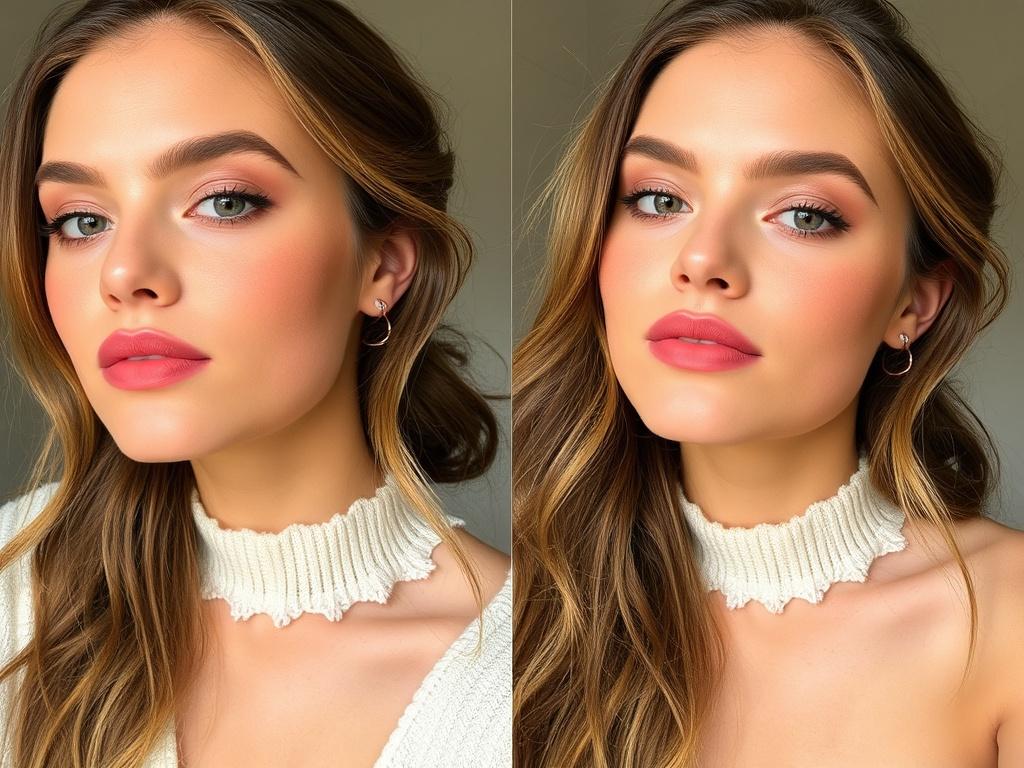
Many people choosing a natural look also care about product ingredients. While there’s no single standard definition for “clean beauty,” you can make informed choices without buying into marketing claims.
Key ingredients to appreciate
Hyaluronic acid and glycerin attract moisture and plump skin temporarily. Niacinamide can help tone and reduce redness over time. Antioxidants like vitamin C protect skin and brighten. Look for these in skincare-focused bases and tints.
Ingredients to consider avoiding
If you have sensitivities, be wary of fragrances, certain alcohols that dry skin, and heavy silicones that can trap oil. For acne-prone skin, check for non-comedogenic labels.
DIY and Natural Alternatives
Some people prefer making their own products. While homemade cosmetics can be satisfying, they require care to ensure safety and stability.
Simple DIY tinted balm
Mix a small amount of a lipstick or pigment with a beeswax-butter base and a touch of oil to create a tinted balm. Keep batches small and store in a cool place to avoid rancidity.
Homemade exfoliant caution
If you make your own exfoliant, use fine powders and avoid harsh particles like nut shells which can micro-tear skin. Chemical exfoliants (AHA/BHA) remain more predictable and safer when used properly.
Sustainability: Packaging, Refills, and Minimalism
No-make-up makeup pairs well with minimalism: smaller product collections, multi-use items, and a focus on refillable packaging. Choosing products with recyclable packaging or brands offering refill schemes reduces waste while keeping your routine simple and efficient.
Multi-use products to streamline your kit
- Cream tint that works for cheeks and lips
- Tinted sunscreen that doubles as light foundation
- Neutral cream shadow that can also act as a brow filler
Multi-use items cut down both decision fatigue and plastic consumption. Quality over quantity tends to yield better natural results.
Special Considerations: Makeup for Different Ages
Skin changes with age; the no-make-up technique should adapt accordingly to maintain authenticity and elegance.
Younger skin
Younger skin often tolerates sheer products and may benefit from minimal correction combined with UV protection. Stains and light tints are perfect here.
Mature skin
With maturity comes texture changes and sensitivity. Opt for C-rich serums and luminous, hydrating bases. Cream formulas and careful placement of color create a softer, lifted appearance without emphasizing lines.
Natural Glam for Special Occasions
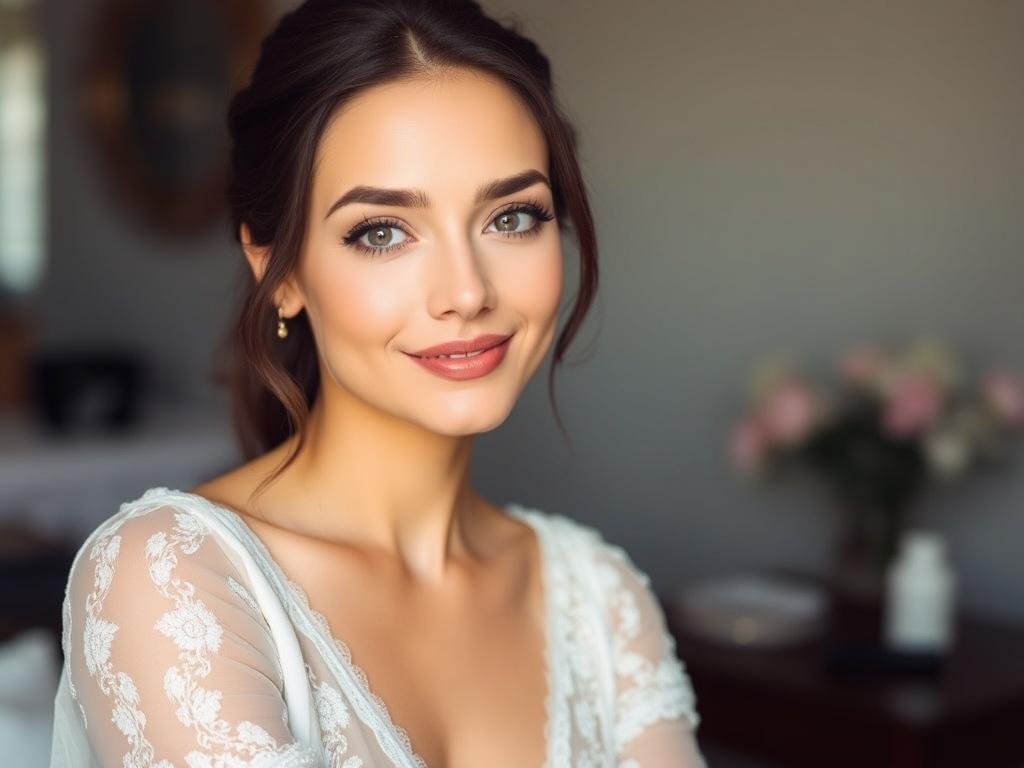
There are occasions where you want the natural look but with slightly more polish: weddings, interviews, or presentations. The principle remains reduced contrast, but you may refine edges more carefully and add a touch of controlled highlight for photos.
Upgrading the look for events
Prioritize longevity and subtle definition. A slightly more pigmented cream blush, a few false but natural-looking individual lashes, and a brushed-up brow can elevate the look without abandoning the “barely there” ethic.
Troubleshooting Common Problems
0
If your no-makeup look looks off, these quick checks can usually diagnose the issue.
Problem: Face looks flat
Solution: Add a small amount of blush or warm bronzer to bring dimension back. Blend upwards toward the temples to create lift.
Problem: Makeup creases or settles into lines
Solution: Use thinner layers of base and a hydrating primer under the eyes. Avoid heavy powder application directly into creases.
Problem: Makeup oxidizes and looks darker by midday
Solution: Test products in natural light and consider formulas labeled “oil-control” if oxidation is due to skin oil. Blotting papers can remove excess oil without disturbing color.
Examples and Inspiration
Many public figures and beauty professionals favor a no-make-up aesthetic because it photographs well and looks timeless. Rather than relying on a single look, observe how different faces read with minimal enhancement — the common thread is restraint and intention. Use images for inspiration, then adapt techniques to your unique features rather than copying colors exactly.
Study faces, not trends
Focus on proportions, where color is placed, and how light interacts with skin. Trends come and go; the no-make-up philosophy emphasizes technique and harmony, which are timeless.
Shopping Guide: What to Buy and Why
When building a no-make-up kit, quality matters more than quantity. Invest in a few reliable products that complement your skin rather than a shelf of options you’ll never use.
| Product Type | Purpose | Suggested Formulation |
|---|---|---|
| Tinted Moisturizer | Light coverage and hydration | SPF-infused, light-reflecting formula |
| Concealer | Targeted correction | Creamy liquid with buildable coverage |
| Cream Blush | Natural, skin-like flush | Sheer, blendable cream |
| Tinted Brow Gel | Define and set brows | Tinted, non-stiff formula |
| Lengthening Mascara | Subtle lash definition | Lightweight, clump-resistant |
| Tinted Lip Balm | Hydration with color | Hydrating oil/butter base with pigment |
| Setting Mist | Unify and slightly set makeup | Hydrating, fine mist |
Daily Checklist for a Natural Look
Use this checklist to maintain consistency in your no-make-up routine without overthinking each step.
- Morning cleanse and SPF
- Hydrator or lightweight serum
- Tinted base or spot concealing
- Cream blush placed on apples and blended
- Brow grooming and light fill
- One coat mascara and lash separation
- Tinted lip balm or stain
- Finish with a light mist if needed
Frequently Asked Questions
Q: Can people with very uneven skin tones achieve this look?
A: Yes. The key is selective correction. Use color-correcting concealers sparingly to neutralize severe discoloration and then use a sheer base to maintain skin texture. Consistency in skincare will also reduce discoloration over time.
Q: Will a no-make-up approach last in humid climates?
A: Longevity in humidity requires oil control and lightweight formulas. Use a mattifying primer in trouble areas and blot sparingly as needed. A setting spray designed for humid conditions can help lock things in without a heavy finish.
Q: Is this approach suitable for men who want to use cosmetics subtly?
A: Absolutely. The principles are the same: selective coverage, respect for skin texture, and subtle color. Products marketed as “men’s” are often the same formulations repackaged; choose what feels natural and light.
Professional Tips from Makeup Artists (Practical Tricks)
Pro makeup artists rely on small hacks that produce believable natural results. Here are a few to incorporate into your routine.
Layer a powder over cream blush
Apply a dot of cream blush, then gently dust a matching powder blush over it to increase longevity while keeping a skin-like finish. The combination often reads more natural than powder alone.
Use a damp sponge to blend concealer
Pressing concealer into skin with a damp sponge melts edges and prevents creasing. It also reduces the need for heavy application.
Clear mascara to tame and define
A clear mascara or brow gel can tame flyaway lashes and set brows without darkening them. This is perfect when you want subtle grooming without additional pigment.
Long-Term Strategies: Improving Skin Health for Easier Makeup
Investing in skin health reduces your reliance on products over time. Consider establishing a consistent routine and consulting a dermatologist for chronic concerns. Small improvements in texture, tone, and hydration mean you’ll need less coverage to achieve the same effect.
Annual check-ins
Review your skincare annually to adjust for seasonal changes and aging. Ingredients like retinoids or professional exfoliation can deliver visible improvements that make natural makeup simpler and more convincing.
Closing Thoughts: The Real Meaning of “Natural”
The no-make-up make-up is less a style and more a decision: to present yourself with clarity and care while preserving individuality. It’s a small repertoire of techniques that prioritize skin, light, and proportion. When practiced with restraint, it allows authenticity to remain front and center, supported by thoughtful design rather than obscured by it.
Begin by simplifying your kit: choose fewer, multipurpose items that match your undertones and skin needs. Practice blending and placement. Observe your face in natural light and adjust minimally. With patience and selective product choices, the outcome will be a face that looks like itself — only rested, even-toned, and ready to move through the day without announcing the help it received.
Resources and Further Reading
Explore product ingredient lists, local dermatology clinics, and trusted beauty professionals to tailor recommendations specifically to your needs. Experimentation, informed by these principles, will guide you toward the perfect, personal version of the “no make-up” make-up.
Thank you for spending this time exploring a subtle, respectful approach to makeup. May your routine be efficient, your skin resilient, and your mornings quieter for it.