
SQLITE NOT INSTALLED
“Sonnenschutz” — a compact German word that carries a big promise: protection. If you’ve treated sunscreen as optional or reserved for beach days, it’s time to change the script. This article is a deep, practical, no-nonsense guide to why sunscreen deserves top billing in your daily beauty lineup, how different products work, how to apply them, and how to choose what’s right for your skin and lifestyle. You’ll leave with concrete steps you can use tomorrow morning and every day after that.
Why sunscreen matters: More than just avoiding sunburn
Sun protection is not only about preventing redness after a sunny afternoon. Ultraviolet radiation from the sun is the primary external driver of visible skin aging — fine lines, loss of elasticity, uneven tone, and sunspots — and a major contributor to skin cancer. Using sunscreen daily is one of the single most effective habits to slow premature aging and lower long-term risk. Think of it as preventive maintenance: routine protection saves time and trouble later.
Beyond long-term concerns, consistent sunscreen use also preserves the results of any active skincare treatments you use: chemical exfoliants, retinoids, vitamin C, and professional procedures like chemical peels or lasers depend on minimizing UV damage to stay effective. In short: sunscreen keeps your skin healthier, makes other products work better, and protects the investment of time and money you’ve put into skincare.
How UV light impacts skin biology
Ultraviolet light affects skin cells in several ways. UVB rays predominantly damage the outer layers of the skin and cause the familiar sunburn; they are strongly implicated in the formation of precancerous lesions. UVA rays penetrate deeper, breaking down collagen and elastin and setting the stage for wrinkles and sagging. Both types contribute to DNA damage in skin cells, which can lead to cancerous changes over time. Sunscreen works by absorbing, reflecting, or scattering UV radiation, reducing that damage.
It also matters when and how much UV exposure you get. Daily, short exposures from walking to the car, commuting, or sitting near a window add up. That cumulative exposure is a major reason dermatologists recommend daily protection, not just something saved for vacations.
SPF explained: What the numbers really mean
SPF stands for Sun Protection Factor, and it’s a measure of how much UVB protection a sunscreen provides relative to unprotected skin. While the math behind SPF can seem technical, the practical takeaway is simple: higher SPF blocks more UVB, but benefits level off after a point. For everyday use, dermatologists commonly recommend a sunscreen with at least SPF 30. For extended outdoor activity, higher SPFs offer incremental benefit, but no sunscreen offers complete protection — reapplication and other measures remain essential.
It’s important to understand that SPF measures protection against sunburn-causing UVB rays only. Protection from UVA — the rays associated with aging and deep skin damage — is not indicated by the SPF number alone. That’s where “broad-spectrum” labeling matters: broad-spectrum products are formulated and tested to protect against both UVA and UVB.
Myth-busting: SPF 50 vs SPF 100
People often assume SPF 100 is twice as protective as SPF 50. That’s not how protection scales. SPF 30 filters about 97% of UVB rays; SPF 50 filters roughly 98%, and SPF 100 filters about 99%. The difference is small but can matter for fair-skinned people, people with a history of skin cancer, or situations with extreme sun exposure. For everyday urban life, SPF 30 to 50 combined with correct application and reapplication is excellent protection.
UVA vs UVB: The two partners in crime
Naming them helps: UVB is the short-wave radiation that tends to cause burning and immediate DNA damage; UVA is longer-wave, penetrating deeper, accelerating photoaging, and contributing to long-term DNA changes. Broad-spectrum sunscreens include filters that defend against both. In practice, you want a product that lists either “broad-spectrum” on the label (in the U.S.) or contains filters known to protect across the UV spectrum.
Different countries regulate sunscreen labeling differently. The safest consumer rule is to choose a broad-spectrum product and check ingredient lists for proven UV filters rather than relying solely on branding or color cues.
Chemical vs mineral sunscreens: How they work and which to pick
0
There are two main technological approaches: mineral (physical) and chemical sunscreens. Mineral sunscreens use tiny particles — primarily zinc oxide and titanium dioxide — to reflect and scatter UV light. Chemical sunscreens use organic compounds that absorb UV radiation and convert it into small amounts of heat. Both approaches work; they simply act differently on the skin.
Mineral formulas are often better tolerated by sensitive skin because they’re less likely to cause irritation and they begin working immediately upon application. Chemical sunscreens tend to be thinner and easier to layer under makeup, and many modern formulations have improved stability and less scent. Choosing between them depends on skin type, lifestyle, personal preference, and environmental considerations.
Pros and cons at a glance
| Type | Active ingredients | Pros | Cons |
|---|---|---|---|
| Mineral (physical) | Zinc oxide, Titanium dioxide | Immediate protection; less irritation; good for sensitive skin and kids | Sometimes white cast; can feel heavier; needs good formula to be cosmetically elegant |
| Chemical (organic) | Avobenzone, Octisalate, Octocrylene, Homosalate, Oxybenzone (varies by region) | Usually lighter, easier to rub in; cosmetically elegant under makeup | Can irritate reactive skin; some ingredients have environmental concerns |
Broad-spectrum: Why that label matters
Broad-spectrum sunscreens are formulated and tested to filter or absorb both UVA and UVB radiation. Since UVA contributes heavily to photoaging while UVB drives sunburn and acute DNA damage, a product that only blocks UVB (even if it has high SPF) leaves you vulnerable to aging and deeper skin harm. Look for “broad spectrum” or equivalent claims on the label and check the active ingredients to be sure.
If a product doesn’t say “broad spectrum,” or you’re unsure about its filters, choose another product. The term itself is regulated in many countries, and reputable brands will clearly state it. For people seeking anti-aging benefits as much as cancer prevention, broad-spectrum protection is non-negotiable.
How labels differ internationally
Labeling rules vary. In some places, “UVA star” ratings or PA+ (from Japan/Korea) indicate UVA protection levels. PA+ through PA++++ is an indicator of UVA protection, with more pluses indicating greater protection. When traveling or buying international products, take a moment to translate these markings: they reflect the same basic principle — robust protection across both UV bands.
How to apply sunscreen correctly — the rules you can’t skip
Even the best sunscreen won’t work if you don’t use it properly. The critical factors are quantity, coverage, and reapplication. Most people apply too little and miss key areas like ears, the hairline, and the back of hands. A general guideline for face and neck is about a nickel-sized dollop for the face alone, or roughly 1/4 to 1/2 teaspoon per area. For full-body coverage, dermatologists recommend about one ounce (a shot glass) — that’s an easy visual cue for beach days.
Apply sunscreen to dry skin 15–30 minutes before sun exposure if you’re using a chemical sunscreen; mineral formulas work immediately but still benefit from being well-rubbed in. Reapply every two hours during continuous exposure, sooner if you swim, sweat heavily, or towel off. Sprays and powders are convenient, but they must be used liberally to be effective — they often lead to significant under-application.
Step-by-step face application
- Cleanse and complete serums or treatments (wait a few minutes for layering to settle).
- Dispense about a nickel to a pea-sized amount (adjust by product instructions).
- Dot on forehead, cheeks, nose, chin, and neck; don’t forget the ears and hairline.
- Rub in gently and evenly until fully absorbed or dispersed.
- Layer makeup after sunscreen has set—or use products formulated to combine sunscreen and pigment.
- Carry a reapplicator (spray, powder, or compact) for midday touch-ups if needed.
Common mistakes people make with sunscreen
Small missteps undermine large intentions. A few of the typical errors: using too little product; skipping cloudy days; relying on SPF clothing or shade alone without sunscreen on exposed areas; assuming makeup with SPF is enough; and neglecting reapplication. Each of these reduces real-world protection dramatically.
Another often-overlooked mistake: not checking expiration dates. Sunscreen ingredients degrade over time, and an expired bottle may offer far less protection than the label promises. Most products list an expiration date or a shelf-life symbol; if in doubt, replace it.
Why “water-resistant” doesn’t mean “waterproof”
Water-resistant sunscreens are formulated to remain effective for a specified time in water — commonly 40 or 80 minutes — but no sunscreen is waterproof. The label should state how long protection lasts during water exposure. Even with water-resistant formulas, reapply after swimming, excessive sweating, or towel drying.
Sunscreen for different skin types and concerns
Sensitivities, acne, pigmentation, and dry or oily textures all influence what sunscreen will feel and look like on your skin. Thankfully, modern formulations are diverse: lightweight gels and fluids for oily complexions, hydrating lotions and creams for dry skin, mineral sticks for targeted application, and tinted sunscreens that double as cosmetic coverage and physical block.
People with reactive or rosacea-prone skin often do best with mineral sunscreens that avoid fragrances and unnecessary preservatives. For acne-prone skin, non-comedogenic, oil-free formulas with a matte finish are preferable. If hyperpigmentation is a priority, pair broad-spectrum sunscreen with ingredients like vitamin C and niacinamide that support pigment regulation, but remember that sunscreen is the foundation that keeps those gains visible.
Sunscreen and acne-prone skin
Oily or acne-prone skin can tolerate sunscreen, and not using it can actually worsen post-inflammatory hyperpigmentation after breakouts. Choose labels that say “non-comedogenic,” “oil-free,” and look for lightweight gel or fluid textures. Chemical filters often lend themselves to lighter textures, but mineral gel formulations have improved a lot and can be a good option if sensitivity is a concern.
Special circumstances: babies, pregnancy, and medical treatments
0
For infants under six months, sun avoidance is the primary recommendation: keep them covered and out of direct sun. For older children and adults, physical (mineral) sunscreens with zinc oxide are often recommended for their gentle profile. During pregnancy, sunscreen is safe and strongly advised — protecting skin from darkening due to hormonal melasma and guarding against cumulative UV damage. If you’re undergoing medical treatments that sensitize the skin (like certain acne medications or chemotherapy), follow your healthcare provider’s guidance and err on the side of extra protection.
Always consult a dermatologist when in doubt, especially if you have a strong personal or family history of skin cancer or treatment-related photosensitivity. A specialist can recommend specific formulas and strategies tailored to your medical background.
Sunscreen during cosmetic procedures
If you’re getting chemical peels, microneedling, laser treatments, or even aggressive retinoid programs, your skin will be more vulnerable to UV damage. Avoid direct sun while your skin is healing and apply a high-quality broad-spectrum sunscreen daily. Post-procedure protocols typically include mineral sunscreens for the first days after treatment, but follow the clinician’s instructions closely.
Tinted sunscreens and chemical peels: the cosmetic advantages
Tinted sunscreens serve two purposes: they provide physical or chemical protection while offering light coverage that evens tone. For many people with hyperpigmentation or uneven tone, tinted formulas are lifesavers. They mask imperfections and reduce the need for heavy makeup, making reapplication easier during the day. Mineral tints, in particular, blend zinc oxide with iron oxides to neutralize redness and offer a natural finish.
Tinted options are also handy after facial procedures because they provide pigment that camouflages healing while protecting from UV. If your priority is an invisible finish, choose non-tinted lightweight formulas; if you want coverage and color-correction, tints are a smart option.
How to choose a tint shade
Tinted sunscreens usually come in a few universal shades rather than a huge palette. Choose one that matches your undertone more closely than exact shade: a warmer tint suits golden undertones; neutral or cooler tints suit olive to cool tones. If you’re unsure, many brands offer sample sizes to test in natural light.
Layering sunscreen with other skincare: order and timing
Layering matters. Think of skincare as rules of solubility and function: thin to thick, active serums under moisturizers, and sunscreen always last in the morning routine (except some sunscreen-makeup hybrids, which can be applied after moisturizer). If you use chemical exfoliants or retinoids, do them as nighttime tools and apply sunscreen every morning to protect from heightened sensitivity.
Some actives pair well with sunscreen: topical antioxidants such as vitamin C and niacinamide complement sunscreen by neutralizing free radicals that slip through. Conversely, avoid applying heavy occlusives before sunscreen since they can impede even dispersion. When in doubt, allow each layer to settle a minute or two before adding the next.
Makeup over sunscreen: consolidation vs. reapplication
Makeup with SPF can offer some additional protection, but it rarely matches the shield of a dedicated sunscreen because the amount of product used in makeup is usually much less than recommended. If you rely on foundation with SPF, consider it supplemental. For midday reapplication without disrupting makeup, pick a powder SPF or a gentle spray; press-on sunscreen sticks also exist for targeted touch-ups.
Active ingredients to know — and those to avoid if concerned
Familiarize yourself with common sunscreen filters. Mineral actives: zinc oxide and titanium dioxide. Chemical filters vary by region, but include avobenzone, octisalate, octocrylene, homosalate, and others. Some filters generate concerns due to skin irritation or environmental effects, so read labels based on your priorities.
Oxybenzone, for example, has been scrutinized for its potential to sensitize some people and for its impact on coral reefs. That has led to “reef-safe” labeling for products avoiding certain chemicals. If you’re planning a tropical vacation, consider mineral formulas or products explicitly marketed as reef-friendly.
Allergic reactions and patch testing
If you have sensitive skin or a history of reactions to personal care products, patch testing new sunscreens on a small patch of skin before full-face use is smart. Apply a small amount to clean skin behind the ear or on the inner forearm and monitor for 24–48 hours. If irritation appears, stop using the product and consult a dermatologist for alternatives.
Environmental considerations: reef-safe and biodegradability
Sun protection should protect both people and planet. Scientific studies have raised concerns about certain organic sunscreen ingredients affecting coral and marine life. In response, places like Hawaii and parts of other coastlines have banned products containing oxybenzone and octinoxate. “Reef-safe” sunscreens usually rely on mineral filters like non-nano zinc oxide or titanium dioxide and avoid these contentious chemicals. If you plan to swim in sensitive marine environments, choose a reef-friendly product and use sun-protective clothing as a first line of defense.
Packaging and formulation matter, too. Choose brands that prioritize sustainable packaging or that offer refill programs if environmental footprint is a priority. But never prioritize sustainability over proper application—if you’re swimming, reapply with an appropriate formula designed for water use.
Non-nano minerals and dispersion
The term “non-nano” references particle size in mineral sunscreens. Non-nano zinc or titanium particles are larger and less likely to penetrate the skin, which some consumers prefer for perceived safety. Cosmetic technology has improved so many mineral sunscreens blend without a white cast even with non-nano particles, so there are many good choices if this matters to you.
How to read sunscreen labels like a pro
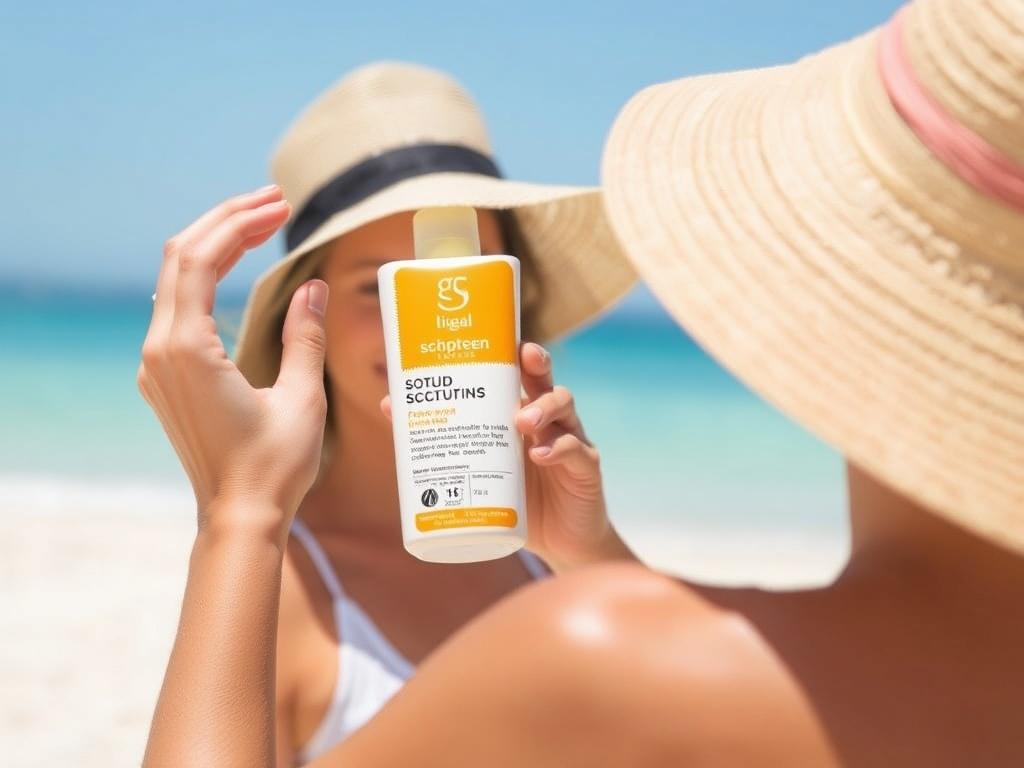
Labels can be confusing, but a few elements reveal the essentials: SPF level, “broad-spectrum” indication, water resistance claim and duration, active ingredients, and expiration or PAO (period after opening) symbol. Some products also list UVA protection in different systems—look for PA+ ratings from Asian brands or the UVA circle marking used elsewhere.
If you see marketing language like “dermatologist-tested” without other details, take it with a grain of salt. The most meaningful facts are the active filters and the broad-spectrum claim. Cross-check ingredients against your known sensitivities and pick a texture you’ll actually use—being consistent matters more than obsessing over tiny ingredient differences.
Expiration dates and storage
Store sunscreen out of direct heat and sunlight. Most unopened products last about two to three years; once opened, many sunscreens recommend use within 12 months. Check the label or the small jar icon with “12M,” “24M,” etc. Using an expired product is risky because filters degrade, and you may get less protection than you expect.
Makeup with SPF: when it’s useful and when it’s not enough
Sunscreen in foundation or powder is convenient, but makeup products typically aren’t applied in the quantity required to reach their labeled SPF in daily use. If you use a foundation or BB cream with SPF, treat it as an extra layer rather than your primary protection. For effective protection, apply a dedicated sunscreen first, then your makeup.
Some tinted mineral powders or compacts with SPF work well for midday reapplication over makeup because they provide pigment and an extra protective layer. These formats are user-friendly and encourage more consistent protection throughout the day.
Tips for reapplying over makeup
- Use a translucent SPF powder or setting powder with SPF for quick touch-ups.
- Carry a spritz-style sunscreen designed to be applied over makeup; apply in a controlled manner to avoid disturbing coverage.
- Press-on or stick sunscreens are useful for targeted areas (nose, cheeks).
- Avoid rubbing or heavy wiping; press gently for best layering results.
Sports, sweat, and active lifestyles
If your days include running, cycling, or other activities that make you sweat, choose a water-resistant sunscreen labeled for the duration you need (40 or 80 minutes), and reapply frequently. For intense activities, consider a sport-specific formula that resists sweat and irritation and has quick-drying finishes. Hats, UV-protective clothing, and sunglasses are equally important when you’re active outdoors — sunscreen is part of a broader protection strategy.
Be cautious with products that run into the eyes when you sweat; choose formulas labeled as “non-irritating” or try mineral options that are less likely to sting. Don’t forget lips: SPF lip balms with at least SPF 30 reduce the risk of actinic cheilitis and sunburn on the delicate lip skin.
Checklist for active outdoor days
- Apply broad-spectrum sunscreen liberally 15–30 minutes before activity.
- Use a water-resistant formula if you’ll sweat or swim.
- Reapply every two hours, sooner with heavy sweating or after towel drying.
- Wear a breathable, wide-brim hat, sunglasses, and sun-protective clothing.
- Use lip balm with SPF and keep reapplying.
How sunscreen prevents and complements anti-aging treatments
Sunscreen protects collagen and elastin fibers from breakdown and reduces the formation of pigmentation that ages skin. When combined with topical treatments like retinoids, chemical exfoliants, and vitamin C, sunscreen preserves the improvements these products produce. Many anti-aging treatments make skin more UV-sensitive, so sunscreen isn’t optional — it’s essential for keeping benefits and reducing adverse effects.
Consider sunscreen the maintenance step that makes all other steps meaningful. Without it, expensive or time-intensive treatments lose much of their efficacy faster.
Pairing antioxidants with sunscreen
Antioxidants like vitamin C and E work synergistically with sunscreen. While sunscreen prevents a portion of UV damage, antioxidants neutralize free radicals generated by any UV that gets through or from other sources like pollution. Incorporate stable vitamin C serums in the morning under sunscreen for a layered defense strategy.
Addressing hyperpigmentation and melasma
Sunscreen is a foundational treatment for pigmentation disorders. Repeated UV exposure deepens and reactivates pigment, so no cream or peel will beat the recurrence without sun protection. For melasma and stubborn dark spots, combine broad-spectrum sunscreen with topical agents recommended by a dermatologist — hydroquinone, tranexamic acid, chemical exfoliants, or professional procedures — but keep sunscreen consistent to prevent relapse.
Tinted mineral sunscreens can help camouflage dark spots while protecting them from further darkening, and regular reapplication prevents post-inflammatory hyperpigmentation after any spot-treating procedures.
Daily habits that support pigment control
- Always apply broad-spectrum sunscreen in the morning.
- Wear wide-brim hats and protective clothing during peak sun hours.
- Avoid peak sun exposure between roughly 10 a.m. and 4 p.m. when rays are strongest.
- Consider antioxidant serums to reduce free-radical burden.
- Follow your dermatologist’s protocols for topical or procedural treatment.
How much sunscreen to use: practical, visual guides
Measuring exactly isn’t fun, but simple visual cues help. For the face and neck alone, aim for about a nickel to quarter-sized dollop. For both arms, a shot-glass amount is a reasonable measure for your whole face, neck, and exposed chest. For full-body coverage at the beach, use about one ounce (a shot glass) and don’t miss commonly forgotten areas like the tops of feet, ears, and the back of knees.
Remember: many people apply only 25–50% of the recommended amount, which means the labeled SPF is not what they actually receive. Being generous matters more than chasing the highest SPF number.
Visual quick guide
| Area | Suggested Amount |
|---|---|
| Face & neck | Nickel to pea to quarter-sized amount (or 1/4 to 1/2 teaspoon) |
| Each arm | About an extra fingertip or a similar small dollop |
| Torso & legs (full body) | Approximately 1 ounce total (a shot glass) |
| Lips | Use an SPF lip balm liberally and reapply |
Travel tips: sunscreen on the go
When you travel, especially to sunny destinations, pack both a travel-sized daily sunscreen and a full-sized water-resistant one for beach or pool time. Keep sunscreen in carry-on luggage to avoid exposure to extreme heat that can degrade filters in checked baggage. If you’ll be outdoors a lot, consider sun-protective clothing and hats as baggage-friendly, reliable backups to sunscreen.
Travel often shakes up routines; set reminders to reapply every two hours during active beach days. If you’re in a place with strong sun reflection — sand, water, snow — be even more diligent: reflected UV intensifies exposure.
Packing checklist
- Daily broad-spectrum SPF 30–50 for morning routine.
- Water-resistant SPF for beach/pool.
- Tinted or powder SPF for midday touch-ups.
- Lip balm with SPF.
- Lightweight hat and UV-protective clothing if space allows.
Children and sunscreen: safe choices
Children’s skin is delicate. For babies under six months, sun avoidance and coverage are recommended; for older children, pick mineral sunscreens or gentle chemical options formulated for kids. Reapply frequently when they’re playing outside, and combine sunscreen with protective clothing, hats, and shade. Teaching children sunscreen habits early creates lifelong protection patterns.
Because children often touch and rub their faces, choose scents and textures they tolerate to increase cooperation. Stick formats or sprays designed for kids can make application faster and less contentious, but ensure adequate coverage by using liberal amounts.
Application tips for kids
- Apply sunscreen at home before heading out to avoid squabbles in public.
- Make reapplication part of snack or activity breaks.
- Keep spare sunscreen in your bag for spontaneous playtime outdoors.
- Use clothing and hats for infants and young children whenever possible.
How sunscreens interact with makeup and cosmetic procedures
Some sunscreens contain ingredients that can interfere with foundations or cause pilling when layered incorrectly. To prevent this, allow sunscreen a moment to set before applying makeup. For people who use active ingredients like retinoids or acids, time sunscreen as the final morning step. After procedures like laser resurfacing, sunscreen choice and timing matter — clinicians often recommend mineral sunscreens for first-line defense while skin is healing.
If you notice your sunscreen and foundation are interacting poorly, try a different texture: a fluid sunscreen under a powder foundation tends to play more nicely than a heavy cream under a liquid foundation. Experiment with sample sizes before committing to a full bottle.
Professional treatments: planning around sun exposure
Schedule cosmetic procedures with seasonal and UV exposure in mind. Treatments that stimulate collagen or remove pigment require diligent sunscreen use afterward and often a period of sun avoidance. Your practitioner will outline a post-treatment sun strategy; follow it closely to protect results and reduce complications.
How to choose sunscreen for darker skin tones
People with darker skin tones are sometimes less vigilant about sunscreen because sunburn is less visible; however, UV damage, photoaging, and skin cancer risk remain real. The main cosmetic complaint historically was the white cast of mineral sunscreens on deeper skin tones. Modern tinted mineral formulas and sheer zinc formulations have improved dramatically, and many chemical sunscreens offer invisible finishes that suit deeper complexions well.
Choose a product that feels cosmetically appropriate so you’ll use it consistently. Tinted mineral sunscreens with iron oxides can also help neutralize warmth or redness, offering tone-evening benefits in addition to protection.
Tips for choosing a shade
- Explore tinted mineral sunscreens formulated for brown and deeper skin tones.
- Test in natural light where possible — product photography can be misleading.
- Look for iron oxide-containing formulas if you want additional color correction.
Advanced topic: sunscreens and systemic absorption
Recent research has examined whether certain sunscreen chemicals absorb through the skin into the bloodstream. Regulatory bodies review such findings carefully; current guidance usually supports sunscreen use because the protective benefits outweigh theoretical risks for most people. If you are concerned about systemic absorption, using mineral sunscreens or products with filters that have established systemic safety data can be a reasonable alternative. Always follow updated guidance from trusted public health institutions.
Where science is evolving, choose what fits your risk tolerance and lifestyle. For many, the goal is to balance daily protection with comfort and cosmetic preference rather than focus on unlikely worst-case scenarios.
Decision-making framework
- For people prioritizing proven, long-standing safety data: consider mineral sunscreens.
- For those seeking lightweight, cosmetically elegant formulas: many chemical sunscreens are safe and effective when used according to instructions.
- For environmental priorities: select reef-safe mineral options for ocean swimming.
Clinical perspective: sunscreen and skin cancer prevention
While sunscreen is not a guarantee against skin cancer, it’s a proven component of risk reduction. Combined with protective clothing, shade, and avoidance of peak sun hours, sunscreens reduce cumulative UV damage that contributes to cancers like melanoma and non-melanoma skin cancers. Regular skin checks and professional screenings remain important, especially if you have risk factors like many moles, fair skin, or family history.
Remember: no single measure eliminates risk. Sunscreen is one element of a broader prevention strategy that includes behavior change and medical vigilance.
Self-check habits
- Examine your skin monthly for new or changing moles, spots, or lesions.
- See a dermatologist for suspicious changes or as part of routine surveillance if you have risk factors.
- Maintain daily sun protection to reduce cumulative damage over years.
How to build a daily sunscreen habit that sticks
Consistency beats perfection. Choose a sunscreen you enjoy — if it feels good and looks good, you’ll use it. Tinted sunscreens, silky sprays, or mattifying formulas can solve practical complaints that otherwise prevent regular use. Keep a bottle by your toothbrush, in your bag, and at your workplace. Make reapplication part of a routine event, like lunchtime or after a coffee break, to increase adherence.
Pair sunscreen with a visible anchor habit: moisturize, brush teeth, or apply perfume. When sunscreen becomes automatic rather than an afterthought, the protective benefits compound over time.
Simple daily routine
- Cleanse and apply morning serums.
- Apply moisturizer if needed.
- Apply broad-spectrum sunscreen as the final morning skincare step.
- Layer makeup if desired.
- Reapply sunscreen or use an SPF powder/spray midday if you’re outdoors.
Products and formats: picking what fits your life
Sun protection comes in many formats: lotions, creams, gels, sprays, sticks, powders, and tinted compacts. Your choice should reflect where you’ll use it. Sticks are excellent for touch-ups, powders work well over makeup, sprays are convenient for hard-to-reach spots (use generously and avoid inhalation), and lotions remain a reliable all-round choice. For the face, textures matter — if your sunscreen leaves your skin oily, you’ll be less likely to wear it. Try samples until you find a daily favorite.
Women who wear heavier foundation may prefer a light fluid sunscreen beneath; those who prefer no makeup might favor a tinted mineral for a quick-evened look. Choose a format you’ll actually use consistently rather than one that looks good in advertisements.
Pros and cons by format
| Format | Best for | Considerations |
|---|---|---|
| Lotion/cream | All-around use, dry skin | Reliable coverage; may feel heavier on oily skin |
| Gel/Fluid | Oily skin, under makeup | Lightweight; may be more chemical-filter heavy |
| Spray | Body reapplication, convenience | Risk of underapplication and inhalation; use liberally |
| Stick | Targeted areas, travel | Precise application; good for lips, nose, ears |
| Powder/compact | Makeup touch-ups, oily skin | Good for reapplication over makeup; may need multiple layers |
How to test a new sunscreen at home
Before committing to a full-sized bottle, test a new product. Apply it to a small patch on your face or behind the ear under normal morning routine conditions and wear it for several hours. Assess for stinging, pilling with makeup, shine, or breakouts. If possible, try samples in natural light so you can evaluate any white cast with your skin tone. If you have a history of reactions, do a 48-hour patch test on the inner forearm first.
Testing reduces waste and frustration. Because sunscreen’s most important feature is that you use it consistently, choosing a formula you tolerate and like is more valuable than chasing a hyped brand you won’t use every day.
Quick home test steps
- Clean a small test area and apply your usual morning products plus the sunscreen.
- Wait 10–15 minutes and apply your usual makeup (if relevant).
- Wear for at least half a day, noting comfort, shine, and any irritation.
- Reassess after a few days if you were testing for breakout potential.
Putting it all together: a sample morning routine
Here’s a straightforward, practical morning routine that centers sunscreen while remaining realistic for most lifestyles. It balances active ingredients with protection and keeps cosmetics optional rather than required.
- Cleanse with a gentle cleanser to remove overnight oils.
- Apply targeted serums (like vitamin C) if you use them — allow them to absorb.
- Apply moisturizer if your skin needs it; choose a lightweight one for oily skin.
- Apply broad-spectrum sunscreen liberally as the final skincare step.
- Apply any makeup after the sunscreen has settled.
- Carry an SPF powder or spray for midday reapplication if outdoors.
That routine keeps sunscreen central and makes it easy to integrate other products that support skin goals like hydration or brightening. The key is consistency: even a simple daily sunscreen habit dramatically improves skin health over time.
Final thoughts: make sunscreen non-negotiable
Sunscreen is not a cosmetic accessory—it’s a preventative health measure and the foundation of any thoughtful beauty routine. The best sunscreen is the one you will use every day. Choose a formula you like, apply it generously, reapply when needed, and combine it with protective clothing and behavior changes for the greatest benefit. Small daily choices stack into large long-term differences: glowing, resilient skin and reduced risk of UV-related damage.
Put sunscreen at the top of your morning checklist. Once it becomes routine, every other step in your beauty regimen will pay off more, last longer, and look better. Sonnenschutz isn’t just a word — it’s a daily investment in your skin’s future.
Quick reference checklist
- Choose a broad-spectrum sunscreen, at least SPF 30 for daily use.
- Use mineral or chemical filters according to your skin needs and preferences.
- Apply generously: nickel to quarter-sized amount for face and neck; one ounce for full-body at the beach.
- Reapply every two hours during continuous sun exposure and after water or heavy sweating.
- Use additional protections: hats, sunglasses, UPF clothing, and shade.
- Check expiration dates and store products appropriately.
- Keep sunscreen part of your daily morning routine for cumulative benefit.
Make today the day you treat sun protection like an essential, non-negotiable step. Your future skin will thank you.