
SQLITE NOT INSTALLED
The skin around your eyes tells stories — late nights, sun-drenched summers, laughter lines, and the slow drift of time. If you’re reading this, you want practical, humane, and evidence-based advice for anti-aging für die Haut um die Augen. You want to know what works, what to avoid, and how to build a sensible routine that fits your life. This guide walks through anatomy, causes, daily routines, ingredients, professional treatments, and realistic expectations, all in plain language and with usable steps you can start today.
I’ll avoid grand promises and marketing buzz. Instead, expect clear explanations of why the eye area is different, how specific ingredients help, what in-office procedures do, and how to prioritize time and money. There are checklists, tables, and sample routines to bookmark. Read selectively or dive in from top to bottom — the aim is to make the skin around your eyes healthier and more resilient, not to chase an impossible fountain of youth.
Why the Skin Around the Eyes Ages Faster
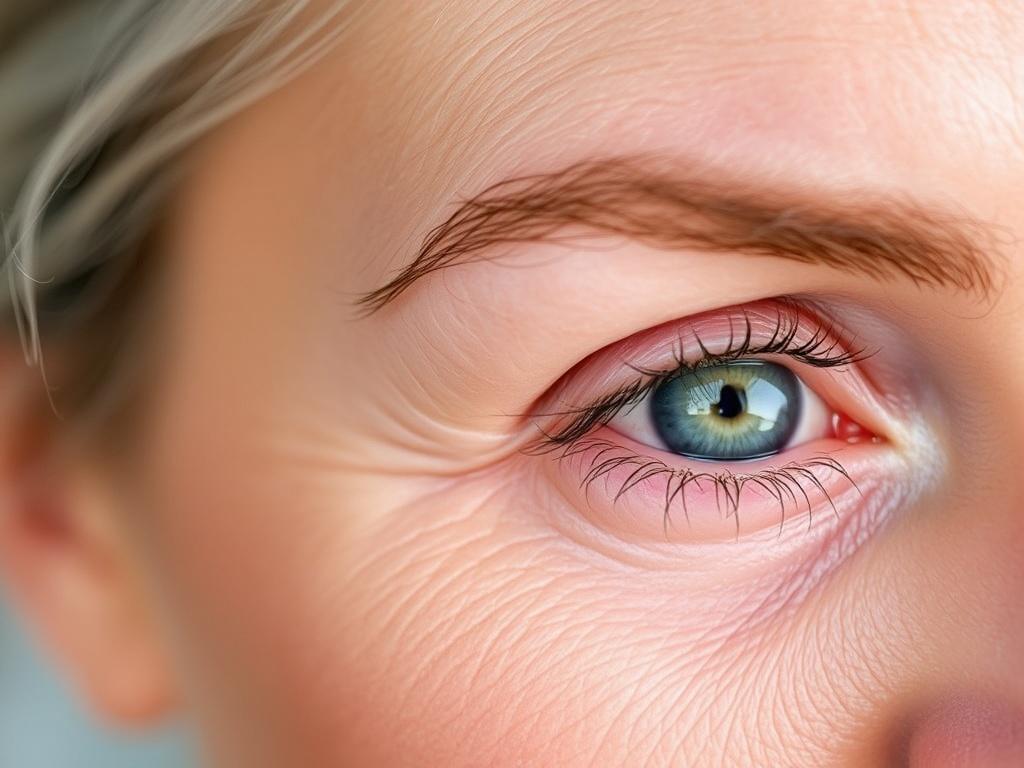
The skin around your eyes is a few cell layers thinner than the rest of your face, with fewer oil glands and less fat cushioning. That combination makes it dry, delicate, and more vulnerable to the mechanical stress of blinking and facial movement. Thin skin shows volume loss, fine lines, and discoloration more readily than thicker skin elsewhere.
Movement matters. Every smile, squint, and frown recruits dozens of tiny muscles that crease the eyelid and the skin at the corners of the eyes. Over decades, repetitive motion deepens lines and creases; this is especially evident in crow’s feet. Sun exposure compounds the effect: ultraviolet radiation breaks down collagen and elastic fibers, accelerating visible aging in that already-fragile tissue.
Anatomy beyond the surface plays a role too. Bone resorption in the orbital rim and changes in fat pads under the eye can create hollows, shadows, and bags. These structural shifts are not simply ‘skin problems’; they’re changes in the support scaffolding under the skin and often require different approaches than surface treatments alone.
Common Signs of Aging Around the Eyes
People notice aging around the eyes in a handful of distinct ways. Spotting which signs you have is the first step to choosing effective treatments.
- Fine lines and wrinkles: shallow creases on the eyelids and at the corners (crow’s feet).
- Deepening folds: lines that persist even at rest, often around the lower lid and inner corner.
- Puffiness and bags: swelling or fatty protrusions under the eyes due to fluid retention or fat herniation.
- Hollows and tear troughs: volume loss near the cheek and under-eye junction, which casts shadows.
- Dark circles: caused by pigmentation, visible veins, structural shadows, or thin skin revealing underlying blood vessels.
- Sagging upper lids (dermatochalasis): excess skin or drooping that may interfere with vision or create a tired appearance.
Each sign points toward a different combination of causes and solutions. For example, creams can help with fine lines and texture, while deep hollows may respond better to filler or surgical approaches.
What Causes Each of These Problems?
Intrinsic Aging
Intrinsic aging is the natural, genetically influenced decline in skin structure and repair. Collagen production slows, elastin fibers become disordered, and the dermal matrix thins. These changes reduce elasticity and firmness, leading to fine lines and laxity. Intrinsic aging is inevitable, but the pace differs between people and across ethnicities due to genetic factors and baseline skin thickness.
Extrinsic Factors
Environmental and lifestyle elements accelerate the clock. Ultraviolet radiation is the most potent external driver — it breaks down collagen and disrupts normal repair. Smoking limits blood flow and damages collagen; the chemicals in cigarettes are directly harmful to skin fibers. Poor sleep, dehydration, chronic inflammation (from allergies or irritation), and repeated rubbing or tugging of the eyes all contribute. Even diet matters: high-sugar diets encourage glycation, which stiffens collagen and accelerates wrinkling.
Genetics and Ethnicity
Genetics determines baseline skin thickness, fat distribution, pigment tendencies, and how fast structural changes appear. People with darker skin tones often show less visible wrinkling due to higher melanin levels, but may be more prone to post-inflammatory pigmentation and persistent dark circles of pigmentary origin. Understanding your predisposition helps tailor prevention and treatment.
How to Build an Eye Care Routine: Step-by-Step
A good eye care routine is simple, consistent, and realistic. It shouldn’t require a dozen products or a high-powered tool every night. Focus on a concise set of steps morning and evening, and add weekly treatments only if they suit your skin and schedule.
Here’s a basic template that addresses most common concerns while remaining adaptable:
- Morning: gentle cleanse, antioxidant serum (vitamin C), moisturizer/eye cream, broad-spectrum sunscreen.
- Evening: remove makeup, gentle cleanser, targeted treatments (retinoid or peptide serum), eye cream/moisturizer.
- Weekly: gentle exfoliation or hydrating mask. Professional treatments as needed every few months.
Technique matters as much as product choice. Use your ring finger to pat products around the orbital bone rather than rubbing. Patting minimizes pulling and distributes product gently. Keep motions confined to the bony rim — avoid dragging product onto the movable eyelid skin unless the product is formulated for the lid too.
How much product? A tiny dab — think the tip of a rice grain for each under-eye and a slightly larger dot for each upper lid. The skin is thin; more product doesn’t equal better results and can irritate.
Morning Routine: Practical Steps
Start with a gentle cleanser that removes impurities without stripping moisture. If you use a vitamin C serum, apply it before moisturizer so it can interact with the skin directly and deliver antioxidant protection. Then follow with a lightweight eye cream or moisturizer containing hyaluronic acid, peptides, or niacinamide, and finish with sunscreen.
Sunscreen is the non-negotiable step. Choose a mineral formula with zinc oxide or titanium dioxide if you have sensitive eyes prone to watering, or a broad-spectrum chemical sunscreen if it’s comfortable. Reapply during the day if you’re outdoors for long periods — framing sunglasses and a hat help reduce direct exposure too.
Evening Routine: Practical Steps
Evening is when repair-focused ingredients shine. After removing makeup and cleansing, apply any actives such as retinoids or peptide serums. If you use retinol, start with a low concentration and apply every other night to build tolerance. Follow with a nourishing eye cream that contains barrier-supporting lipids like ceramides and emollients such as squalane. The goal overnight is repair, hydration, and minimized irritation.
Key Ingredients That Work — and How to Use Them
Not all eye creams are created equal. The ingredient list matters far more than the brand name or price. Below I unpack the most effective, evidence-backed ingredients for the eye area and how to use them without creating irritation.
Retinoids (Retinol, Retinaldehyde, Tretinoin)
Retinoids increase cell turnover and stimulate collagen synthesis, which reduces fine lines and improves texture. For the delicate eye area, start with low concentrations of retinol (0.25%–0.5%) or consider retinaldehyde, which can be potent with less irritation.
Use retinoids in the evening only. Apply a pea-sized amount to the entire face or a small dab to the orbital bone, avoiding the lash line and inner eye. Begin twice weekly and increase frequency as tolerated. If irritation occurs, reduce frequency or use a moisturizer barrier method (apply a moisturizer, then the retinoid, or vice versa depending on product instructions).
Vitamin C (Ascorbic Acid and Derivatives)
Vitamin C is a powerful antioxidant that protects against photoaging and supports collagen synthesis. Pure ascorbic acid is effective but can be irritating in high concentrations; derivatives such as magnesium ascorbyl phosphate can be gentler. Vitamin C also brightens pigment-based dark circles by inhibiting melanin production.
Use vitamin C in the morning to boost photoprotection; pair it with sunscreen for best results. Store vitamin C products away from light and heat to preserve potency.
Peptides
Peptides are small protein fragments that can signal skin cells to produce more collagen and other matrix proteins. Common peptides for the eye area include palmitoyl peptides and copper peptides. They’re gentle and suitable for regular use and can complement retinoids and vitamin C without the same irritation risk.
Hyaluronic Acid
Hyaluronic acid (HA) attracts and retains water, providing immediate plumping and smoothing. It’s excellent for reducing the look of fine lines caused by dehydration and for creating a supple surface. HA comes in different molecular weights: low-molecular-weight HA penetrates more deeply, while higher-molecular-weight HA sits on the surface for immediate hydration.
HA pairs well with nearly any other ingredient. Apply to slightly damp skin for best absorption, then seal with a moisturizer.
Niacinamide
Niacinamide strengthens the skin barrier, reduces transepidermal water loss, helps control pigmentation, and calms redness. It’s versatile and non-irritating, making it a great daily ingredient for the eye area. Typical concentrations range from 2% to 5% in eye products.
Ceramides and Lipids
Ceramides, cholesterol, and fatty acids rebuild the skin’s barrier. For dry, thin eyelid skin, these ingredients help retain moisture and reduce sensitivity. Eye creams with a mix of humectants (like HA) and barrier lipids deliver both immediate hydration and longer-term fortification.
Alpha Hydroxy Acids (AHAs) and Beta Hydroxy Acids (BHAs)
Light exfoliation with low-concentration AHAs (lactic or mandelic acid) can improve skin texture and enhance product absorption. BHAs like salicylic acid are oil-soluble and better for congestion; they’re less commonly used around the eye for sensitivity concerns. If you choose an AHA near the eyes, start with low concentrations (e.g., 2–5%) and use sparingly.
Sunscreen
Sunscreen is the single most important anti-aging product. For the eye area, mineral sunscreens (zinc oxide, titanium dioxide) are often better tolerated and less likely to run into the eyes. Application technique matters: apply liberally to the orbital bones, eyelids, and surrounding skin, and reapply as needed. Sunglasses and hats add a physical layer of protection.
Caffeine and Other Depuffing Agents
Caffeine constricts blood vessels and can temporarily reduce puffiness and the appearance of dark circles caused by superficial vascularity. Ingredients like escin or topical decongestants also help short-term, but they don’t address underlying structural causes.
Antioxidants (Vitamin E, Ferulic Acid, Resveratrol)
Antioxidants neutralize free radicals generated by UV exposure and pollution. Vitamin E and ferulic acid stabilize vitamin C and enhance photoprotection when combined. These ingredients support long-term skin health and complement sunscreen use.
Table: Quick Ingredient Summary
| Ingredient | Main Benefit | Best Time | Caution |
|---|---|---|---|
| Retinoids | Stimulate collagen, reduce fine lines | Evening | Start low; can irritate; avoid during pregnancy (tretinoin) |
| Vitamin C | Antioxidant, brightens | Morning | Can oxidize; choose stable formulations |
| Peptides | Signal collagen and matrix production | AM/PM | Generally safe; can be costly |
| Hyaluronic Acid | Hydration, plumping | AM/PM | None major; pair with moisturizer |
| Niacinamide | Barrier, pigment control | AM/PM | Usually well tolerated |
| Ceramides | Rebuild barrier | AM/PM | None major |
| AHAs | Light exfoliation, texture | Night or as directed | Can increase sun sensitivity; use sunscreen |
| Sunscreen | Prevents photoaging | Morning, reapply | Avoid eye irritation; use mineral options if sensitive |
Treatments From Office: What to Expect
Topical products work but have limits, especially when structural changes like hollowing, significant fat herniation, or excess skin are present. In-office procedures can address volume, skin texture, and laxity more directly. Here’s an overview of common options, how they work, and what to expect.
Botulinum Toxin (Botox and Others)
Botulinum toxin temporarily relaxes targeted muscles that cause dynamic lines, such as crow’s feet. It’s quick (often 10–15 minutes), with results visible in days and lasting three to four months typically. Precision is key around the eyes to avoid drooping eyelids or interference with blinking. Choose a qualified injector.
Dermal Fillers
Hyaluronic acid fillers can restore volume to tear troughs and soften shadows between the lower eyelid and cheek. Results are immediate and can last 6–18 months depending on the product and area. Fillers near the eye carry specific risks, including bruising, swelling, and in rare cases vascular complications; use an experienced practitioner and ensure they have protocols to manage complications.
Laser Resurfacing
Fractional ablative lasers (like fractional CO2) and non-ablative lasers remodel collagen and improve texture, fine lines, and pigmentation. Ablative lasers produce more dramatic results but require downtime; non-ablative options have milder effects with less recovery. Eye shielding and experienced operators are essential to protect vision.
Intense Pulsed Light (IPL)
IPL targets pigmented and vascular components contributing to dark circles and uneven tone. It can improve color and texture but is less effective for structural hollows or very deep lines. Multiple sessions are typically needed.
Chemical Peels and Microneedling
Superficial chemical peels and microneedling stimulate collagen and can improve fine lines and skin quality. These are generally safe when applied conservatively near the eye area. Deeper peels are riskier and need professional evaluation and downtime planning.
Radiofrequency and Ultrasound Devices
Energy-based devices like radiofrequency and microfocused ultrasound tighten skin by stimulating collagen production over months. They’re useful for mild to moderate laxity and often require several sessions for visible results.
Blepharoplasty (Surgical Eyelid Lift)
For significant excess skin or fat herniation, surgical eyelid lift (blepharoplasty) can correct upper or lower eyelid issues with long-lasting results. It’s a surgical procedure with associated risks and recovery but can dramatically change appearance and function when performed well.
Table: Comparing In-Office Treatments
| Treatment | Best For | Downtime | Typical Longevity | Key Risk |
|---|---|---|---|---|
| Botulinum Toxin | Dynamic lines (crow’s feet) | Minimal | 3–4 months | Temporary eyelid droop if misplaced |
| Filler (HA) | Tear trough hollows, volume loss | Minimal–moderate (bruising/swelling) | 6–18 months | Bruising; rare vascular events |
| Fractional Laser | Texture, lines, pigmentation | Moderate–significant | 1–3+ years (with maintenance) | Pigment changes, prolonged redness |
| IPL | Vascular/pigment-related dark circles | Minimal–moderate | Several months–years with maintenance | Ineffective for structural issues |
| Microneedling | Collagen stimulation, texture | Minimal–moderate | Months, series recommended | Infection if not sterile |
| Blepharoplasty | Excess skin, fat prolapse | Moderate–significant | 5–10+ years | Surgical risks, scarring |
Lifestyle and Daily Habits That Make a Visible Difference
Skincare products are the tools; lifestyle is the foundation. Small, consistent changes in habits often produce outsized results over months and years. Here are lifestyle areas with practical, evidence-aligned advice.
Sun Protection
Sunscreen is the most effective anti-aging habit. Daily application reduces collagen breakdown and prevents pigment changes. Sunglasses reduce squinting and direct UV exposure to the eyelids. Choose broad-spectrum protection and reapply as needed during prolonged sun exposure.
Sleep and Positioning
Sleep is when skin repairs. Poor sleep increases inflammation and can accentuate dark circles and puffiness. Elevating your head slightly may reduce overnight fluid pooling around the eyes. Try to avoid sleeping face-down and minimize pillows that press into the face.
Hydration and Diet
Hydration helps, but topical hydration and a healthy lipid barrier matter more for immediate smoothing. Dietary habits influence skin health: sufficient protein supports repair, vitamin C in the diet supports collagen synthesis, and omega-3 fats reduce inflammation. Reduce excessive sugar to limit glycation effects on collagen.
Allergy and Inflammation Management
Chronic nasal allergies and eye rubbing can cause persistent puffiness and pigmentation from inflammation. Treat allergies appropriately and avoid rubbing the eyes; use cool compresses to reduce puffiness and consult a clinician for guided management.
Quit Smoking and Limit Alcohol
Smoking accelerates collagen breakdown and reduces blood flow. Alcohol dehydrates tissue and can worsen dark circles and puffiness through fluid shifts and sleep disruption. Cutting back supports healthier skin and faster recovery from treatments.
Makeup and Concealers: Camouflage and Correct

Cosmetics can be an elegant finishing touch while you work on long-term improvement. The right concealer and technique make a day-to-day difference in appearance and confidence.
Color-correcting concealers counter specific tones: peach or salmon hues neutralize bluish circles in lighter skin, while orange or redder correctors work better for deeper skin tones. Apply a thin layer of corrector if needed, then a concealer that matches your skin tone. Blend gently with a damp sponge or ring finger.
Avoid heavy powders under the eye; they can settle into fine lines and make them more noticeable. Use lightweight, hydrating formulas and set sparingly with a translucent powder if oil control is needed. Remove makeup gently every night to avoid tugging and irritation.
When to See a Specialist
If you’re uncertain about treatment choices, a consultation with a board-certified dermatologist or oculoplastic/plastic surgeon can clarify options and safety. See a specialist sooner rather than later if you have sudden changes like unexplained swelling, lumps, pain, infection signs, or vision disturbances.
For aesthetic concerns, initial consults typically include a review of medical history, an assessment of skin and underlying structure, and a discussion of realistic outcomes, risks, and timelines. Bring photos showing how your eyes looked years ago — they can help the clinician understand change over time.
Common Myths and Misconceptions
Let’s debunk a few persistent myths so you don’t waste time or money chasing empty promises.
- Myth: Eye creams are magic. Reality: Ingredients and consistent use matter; many eye creams are lightly fragranced moisturizers with little active concentration.
- Myth: Higher price always equals better results. Reality: Formulation and active concentrations matter more than branding or luxe packaging.
- Myth: Natural oils always safe. Reality: Natural ingredients can still irritate or cause allergic reactions, especially around delicate eyelid skin.
- Myth: Surgery is the only solution for aging. Reality: Many non-surgical options can address specific concerns; surgery may be right for significant laxity or fat herniation.
- Myth: Sunscreen isn’t needed under sunglasses. Reality: Sunglasses help but don’t replace sunscreen on exposed eyelid skin and surrounding areas.
Being skeptical of marketing and focusing on ingredient lists will take you further than trusting buzzwords alone.
Creating a Long-Term Plan by Age
Different decades bring different dominant concerns and realistic interventions. Treat this as a flexible map rather than strict rules.
In Your 20s
Focus on prevention. Daily sunscreen, a gentle antioxidant serum, and a hydrating eye cream are sensible. Avoid heavy rubbing of the eyes and establish healthy sleep and lifestyle habits. If you have early signs like congenital dark circles, address triggers such as allergies or pigmentation early.
In Your 30s
Fine lines may appear from repetitive movements. Consider introducing a low-strength retinol at night and vitamin C in the morning. Peptides and niacinamide make excellent additions. Start periodic professional treatments like light chemical peels or micro-needling if texture concerns appear.
In Your 40s
Volume loss and deeper lines become more common. In-office options such as fillers for tear troughs, neuromodulators for dynamic lines, and laser resurfacing for texture can be appropriate. Maintain strict sun protection and address pigment issues with targeted topicals or IPL under professional guidance.
In Your 50s and Beyond
Structural changes may predominate, and surgical options like blepharoplasty can deliver significant improvements for excess skin or severe fat prolapse. Energy-based devices and resurfacing can improve skin quality. Emphasize gentle but consistent routines that focus on barrier support and hydration, alongside tailored professional interventions as desired.
Safety, Allergies, and Patch Testing

The eye area is unforgiving with irritation. Follow a cautious approach when introducing new actives, especially retinoids and strong vitamin C. Patch testing reduces the chance of widespread reaction: apply a small amount of product to a less visible area (behind the ear or on the inner forearm) for three days and watch for redness, itching, or swelling.
If irritation occurs around the eye, stop the new product immediately. Use a bland moisture barrier cream with ceramides and consult a dermatologist if the reaction is severe or does not resolve. For procedures and injectables, ask about sterile technique, credentials, and management plans for complications.
Shopping Guide and Ingredient Labels
Ingredient lists tell the real story. Look for products with clear concentrations when possible and avoid formulations that hide active components behind marketing language. Here are practical tips for reading labels and choosing wisely.
- Active first: Ingredients are listed in descending order by concentration; if an active is near the end, it’s likely present at a tiny percentage.
- Preservatives and pH: Vitamin C (ascorbic acid) works best at low pH; if the product lacks information, choose stable derivatives or well-formulated serums with protective packaging (dark, airless pumps).
- Fragrance and essential oils: These can irritate sensitive eyelid skin. Opt for fragrance-free options if you’re prone to reactions.
- Look for supporting ingredients: Antioxidants and barrier lipids help stabilize actives and reduce irritation (e.g., vitamin E with vitamin C; ceramides with retinoids).
Don’t be swayed by “eye-only” claims. Many face serums behave perfectly well around the eye if used conservatively and with attention to irritation risk.
Cost Considerations and How to Prioritize Spending
You don’t need to empty your wallet to get better results. Prioritize spending on three things: sunscreen, a prescription-strength retinoid (if tolerated and appropriate), and professional consultations when you consider injectables or laser procedures. These deliver more measurable impact than high-priced, hydrating creams alone.
Drugstore products often contain the same effective ingredients as high-end lines; the difference is in concentration, formulation, and packaging. Spend on a well-formulated antioxidant serum and a sunblock with good tolerance around the eyes. Save splurges for treatments that require skilled administration, such as fillers or lasers.
Case Studies: Sample Routines for Common Concerns
Below are three realistic examples showing morning and evening routines plus treatment options depending on priorities. These are templates, not prescriptions. Adjust according to skin sensitivity, allergies, and professional advice.
Case 1: Early Lines and Prevention (Age 30, Minimal Volume Loss)
Morning: gentle cleanser; vitamin C serum; hyaluronic acid-based eye cream; broad-spectrum mineral sunscreen; sunglasses. Evening: remove makeup; gentle cleanser; low-strength retinol for face (small dab around orbital bone); peptide eye cream; occasional hydrating mask once weekly.
Professional options: light chemical peel or microneedling once or twice a year if texture improvement is desired. Consider neuromodulator for prominent dynamic crow’s feet if bothersome.
Case 2: Dark Circles and Mild Hollows (Age 42)
Morning: cleanser; vitamin C + ferulic acid serum; niacinamide; hyaluronic acid eye serum; mineral sunscreen; color-correcting concealer as needed. Evening: makeup removal; gentle cleanser; retinaldehyde twice weekly; barrier-repair eye cream with ceramides; weekly gentle exfoliation to prevent pigment buildup.
Professional options: consult for tear trough filler with hyaluronic acid performed by an experienced injector for volume restoration. IPL or low-fluence laser for vascular/pigment issues as indicated.
Case 3: Significant Laxity and Bags (Age 58)
Morning: gentle, hydrating cleanser; antioxidant serum; rich eye cream with peptides and ceramides; mineral sunscreen; sunglasses. Evening: remove makeup carefully; nourishing cleanser; emollient-rich eye cream; topical retinoid only if well-tolerated and advised by a clinician.
Professional options: surgical blepharoplasty for excess upper or lower lid skin/fat herniation offers the most dramatic correction for significant laxity. Non-surgical energy-based skin tightening can help moderate laxity if surgery is not desired.
Table: Sample Product Types and Budget Options
| Need | Budget-Friendly Option | Mid-Range Option | When to Choose Clinician-Grade |
|---|---|---|---|
| Sunscreen for eye area | Mineral SPF 30, fragrance-free | Mineral SPF 50 with hydrating base | Have sensitive eyes or need tinted options |
| Antioxidant serum | Stable vitamin C derivative serum | Stable ascorbic acid with vitamin E & ferulic acid | When stronger, faster results are desired |
| Retinoid | Low-strength over-the-counter retinol | Prescription retinaldehyde or tretinoin | When wrinkles are deeper and tolerance established |
| Hydration and barrier | Ceramide moisturizer or eye cream | Rich eye cream with peptides & HA | Severe dryness, compromised barrier, post-procedure care |
Practical Tips and Tricks for Everyday Care
Small habits extend product benefits and protect the eye area from avoidable damage. Here are practical, specific suggestions you can implement immediately.
- Apply sunscreen to the orbital bone and eyelid every morning — a thin, even layer is better than none.
- When using nail polish remover or oil-based cleansers, keep them away from the eye margin to prevent irritation.
- Wear sunglasses that cover the outer orbital bone to reduce squinting and UV exposure simultaneously.
- Use cold spoons or chilled gel masks for quick depuffing when you need a morning lift.
- If you wear contact lenses, remove them before applying creams or serums near the eye to reduce transfer and irritation.
- Store vitamin C products out of sunlight and heat to slow oxidation; discard if the formula darkens noticeably.
Dealing With Setbacks: Irritation, Pigmentation, and Plateaus
Not every product course is linear. You may hit plateaus, experience temporary irritation, or find treatments that don’t deliver as promised. When irritation happens, step back: stop the new product, soothe with barrier-repair moisturizers, and allow the skin to settle before retrying at lower frequency.
Stubborn pigmentation often requires combination approaches: topical brighteners (niacinamide, azelaic acid, vitamin C) paired with in-office lasers or chemical peels. Plateaus in improvement sometimes indicate the need to change modalities — for example, moving from topicals to a minimally invasive procedure under professional guidance.
Checklist: What to Do This Week for Better Eye Skin
- Check your sunscreen and apply it daily around the eyes.
- Introduce a vitamin C serum in the morning if you don’t already use one.
- Start a gentle retinol routine at night if your skin tolerates it, beginning every third night.
- Swap fragranced creams for fragrance-free options to reduce irritation risk.
- Schedule a consultation with a dermatologist if you have persistent or worsening dark circles, drooping lids, or suspect structural causes.
Final Checklist and Quick Routine Cheat Sheet
| Time | Essential Steps | Optional Boosts |
|---|---|---|
| Morning | Cleanse, antioxidant serum, lightweight hydrating eye product, sunscreen, sunglasses | Color corrector, anti-puffing roll-on (occasional) |
| Evening | Remove makeup, cleanse, retinoid (gradually), barrier eye cream | Peptide treatment, richer night oil if tolerated |
| Weekly | Hydrating mask or gentle exfoliation (if compatible) | At-home LED device or pampering cold mask |
| Every 3–12 months | Professional assessment for fillers, Botox, lasers as needed | Microneedling or energy-based sessions |
Conclusion: Realistic Expectations and Sustainable Habits
Anti-aging für die Haut um die Augen is not a single trick; it’s a combination of sun protection, targeted actives, and realistic procedural choices when needed. The most meaningful gains come from consistent daily protection, careful use of evidence-backed ingredients, and sensible escalation to office-based interventions when structural issues outweigh topical solutions.
Think of your approach as a long game. Small but consistent measures — sunscreen every day, thoughtful ingredient use, and avoiding eye rubbing — add up over months and years. When you pair that foundation with occasional professional touch-ups and honest expectations, you’ll maintain healthier, more resilient eye skin without chasing false promises.
If you’d like, I can summarize a personalized morning and evening routine based on your age and primary concern (lines, dark circles, puffiness, hollows, or sagging). Drop your main concern and age group, and I’ll map a concrete, step-by-step plan you can try for three months.